
Vocabulario para IELTS Academic (Puntuación 6-7) - Acciones Relacionales
Aquí, aprenderás algunas palabras en inglés relacionadas con Acciones Relacionales que son necesarias para el examen académico IELTS.
Revisión
Tarjetas de memoria
formas
Ortografía
Cuestionario


to rely on someone or something for assistance, guidance, etc.

contar con, apoyarse en
El padre abrumado se apoya en su pareja para obtener apoyo emocional.

to share or express one's personal thoughts, emotions, or experiences with someone else
abrirse, confiar
Es importante que los amigos creen un ambiente de apoyo donde puedan abrirse el uno al otro.
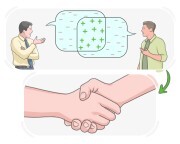
to reach an agreement by giving up some of what one originally wanted
llegar a una solución intermedia

to develop a relationship with a person
hacerse amigos

to develop romantic feelings for someone
enamorarse de, caer por
Los personajes de la película lentamente se enamoraron el uno del otro, creando una conmovedora historia de amor.

to invite someone on a date, particularly a romantic one
invitar a una cita, pedirle a alguien que salga contigo
Estoy planeando invitar a salir a Tom al concierto la próxima semana.

to begin to live in a new house or work in a new office
mudarse a una nueva casa u oficina, empezar a vivir o trabajar en un lugar nuevo
Ella está deseando mudarse a su nueva casa después de la boda.

to put trust in something or someone
confiar en alguien o algo, confiar en que alguien o algo es fiable
Los empleados cuentan con la estabilidad de sus trabajos para satisfacer sus necesidades financieras.

to take care and be watchful of someone or something and make sure no harm comes to them
estar atento a
El refugio de animales cuida de los animales abandonados y maltratados hasta que encuentran nuevos hogares.

to tolerate something or someone unpleasant, often without complaining
aguantar, soportar
Los amigos soportan las peculiaridades y diferencias de los demás para mantener relaciones sólidas.

to make someone feel less worried, afraid, or doubtful by giving them confidence or comfort
asegurar
to give a large amount of one's time, energy, or effort to a person, activity, or cause
dedicar, consagrar
to make a person become friendly again with another after ending a disagreement or dispute
reconciliar
El mediador ayudó a reconciliar a los dos socios comerciales después de su desacuerdo.
to come together and support a person, cause, or idea, especially during challenging times
unirse en torno a, apoyar a
En tiempos de crisis, la gente a menudo se une en torno a sus valores compartidos.

to behave in a way that shows a person is only sexually drawn to someone, with no serious intention of starting a relationship
coquetear, flirtear
De manera juguetona, comenzó a coquetear con su compañero de trabajo durante la hora feliz de la oficina.
to approach someone, often with a romantic or sexual intent
ligar, coquetear
Intentó ligar con un desconocido en el bar.

to make a person believe something untrue
engañar
Es poco ético engañar a los clientes con afirmaciones publicitarias falsas.

to suddenly stop communicating with someone without giving an explanation
cortar de repente la comunicación sin explicación, desaparecer y dejar de responder

to end a romantic relationship with someone, often suddenly
dejar a alguien, terminar una relación

to no longer be friends with someone as a result of an argument
pelearse, dejar de ser amigo de alguien
Los hermanos solían pelearse ocasionalmente, pero siempre se reconciliaban al final.

to decline an invitation, request, or offer
rechazar una invitación solicitud u oferta, no aceptar algo
El equipo rechazó la oferta de patrocinio, ya que no se alineaba con sus valores.
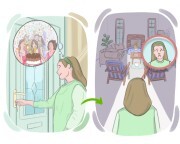
to make someone disappointed by not meeting their expectations
decepcionar a alguien al no cumplir sus expectativas, decepcionar a alguien
Este coche nunca me ha decepcionado, incluso en las condiciones climáticas más duras.
to make it so that the partnership, relationship, or others' perception toward a person or group is damaged or terminated
volverse en contra, poner en contra
El abogado volvió al jurado contra el acusado con un caso convincente.

to make one feel isolated or hostile toward a person or group
alienar
Los comentarios controvertidos lo alienaron del resto del grupo.

to separate or end a relationship with someone
separarse, romper
to fail to appear for a scheduled romantic meeting
dejar plantado, hacer el vacío
Ella estaba molesta cuando su cita la dejó plantada sin ninguna explicación.
