pattern

El libro Face2face - Avanzado - Unidad 8 - 8B

Aquí encontrarás el vocabulario de la Unidad 8 - 8B del libro de curso Face2Face Advanced, como "perturbación", "supervivencia", "fracaso", etc.

Revisión

Tarjetas de memoria

formas

Ortografía

Cuestionario

Empezar a aprender
Face2Face - Advanced
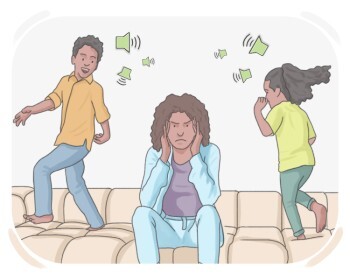
to disturb
to disturb
[Verbo]

to trouble someone and make them uneasy

molestar

molestar

Ex: She tried not to be disturbed by the comments, but they stayed in her mind 

Intentó no ser molestada por los comentarios, pero se quedaron en su mente.

disturbance
disturbance
[Sustantivo]

an event or situation that interrupts or disrupts the normal state or functioning of something

perturbación, molestia

perturbación, molestia

Ex: The disturbance in the classroom disrupted the lesson. 

La perturbación en el aula interrumpió la lección.

to recover
to recover
[Verbo]

to regain complete health after a period of sickness or injury

recuperarse

recuperarse

Ex: The patient is currently recovering after the surgery. 

El paciente se está recuperando actualmente después de la cirugía.

recovery
recovery
[Sustantivo]

the gradual process of healing or regaining strength after illness, injury, or exertion

recuperación
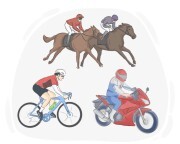
recuperación

Ex: Recovery from the flu can take a few days. 

La recuperación de la gripe puede tardar unos días.

to ride
to ride
[Verbo]

to sit on open-spaced vehicles like motorcycles or bicycles and be in control of their movements

montar, conducir
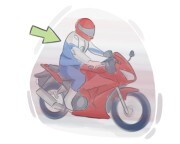
montar, conducir

Ex: Participants in the off-road rally eagerly prepared to ride their dirt bikes through challenging trails in the desert. 

Los participantes del rally todoterreno se preparaban con entusiasmo para montar sus motos de cross por senderos desafiantes en el desierto.

rider
rider
[Sustantivo]

someone who uses a motorcycle or bicycle for transportation

conductor, motociclista

conductor, motociclista

Ex: Bicycle riders must follow traffic rules for safety. 

Los ciclistas deben seguir las normas de tráfico por seguridad.

to divide
to divide
[Verbo]

to separate people or things into two or more groups, parts, etc.

dividir

dividir

Ex: Right now, the referee is dividing the teams before the soccer match. 

En este momento, el árbitro está dividiendo los equipos antes del partido de fútbol.

division
division
[Sustantivo]

disagreement among members of a group or society

división
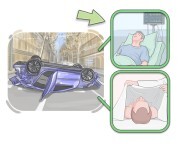
división

Ex: Religious differences often lead to division within communities. 

Las diferencias religiosas a menudo conducen a la división dentro de las comunidades.

to survive
to survive
[Verbo]

to remain alive after enduring a specific hazardous or critical event

sobrevivir

sobrevivir

Ex: The sailors were lost at sea for weeks but their resourcefulness helped them survive. 

Los marineros estuvieron perdidos en el mar durante semanas, pero su ingenio les ayudó a sobrevivir.

survival
survival
[Sustantivo]

the state in which a person manages to stay alive or strong despite dangers or difficulties

supervivencia, sobrevivencia

supervivencia, sobrevivencia

Ex: Survival in the wilderness requires knowledge of basic shelter and food sources. 

La supervivencia en la naturaleza requiere conocimiento de refugios básicos y fuentes de alimento.

to excite
to excite
[Verbo]

to make a person feel interested or happy, particularly about something that will happen soon

entusiasmar, emocionar

entusiasmar, emocionar

Ex: The anticipation of meeting her favorite author excited the young bookworm. 

La anticipación de conocer a su autor favorito emocionó al joven ratón de biblioteca.

excitement
excitement
[Sustantivo]

a strong feeling of enthusiasm and happiness

excitación

excitación

Ex: Despite the rainy weather, Tom's excitement about his upcoming vacation to the beach remained undiminished. 

A pesar del clima lluvioso, la emoción de Tom por sus próximas vacaciones en la playa no disminuyó.

to fail
to fail
[Verbo]

to be unsuccessful in accomplishing something

fallar, fracasar

fallar, fracasar

Ex: He worked hard, but in the end, he failed. 

Trabajó duro, pero al final, fracasó.

failure
failure
[Sustantivo]

the absence of success in achieving a goal

fracaso

fracaso

happy
happy
[Adjetivo]

emotionally feeling good or glad

feliz, contento

feliz, contento

Ex: The students were happy to have a day off from school. 

Los estudiantes estaban felices de tener un día libre en la escuela.

happiness
happiness
[Sustantivo]

the feeling of being happy and well

alegría

alegría

Ex: The laughter of children filled the room with happiness and joy. 

La risa de los niños llenó la habitación de felicidad y alegría.

possible
possible
[Adjetivo]

able to exist, happen, or be done

posible

posible

Ex: It is possible to learn a new language at any age. 

Es posible aprender un nuevo idioma a cualquier edad.

possibility
possibility
[Sustantivo]

possibility refers to the state or condition of being able to happen or exist, or a potential likelihood of something happening or being true

posibilidad

posibilidad

coward
coward
[Sustantivo]

a person who is not brave to do things that other people find unchallenging

cobarde

cobarde

Ex: The soldier was labeled a coward for deserting his post during the war. 

El soldado fue etiquetado como cobarde por desertar de su puesto durante la guerra.
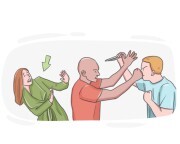
cowardly
cowardly
[Adjetivo]

lacking courage, typically avoiding difficult or dangerous situations

cobarde

cobarde

Ex: It was a cowardly decision to avoid the challenge instead of facing it. 

Fue una decisión cobarde evitar el desafío en lugar de enfrentarlo.

mood
mood
[Sustantivo]

the emotional state that a person experiences

ánimo, estado de ánimo
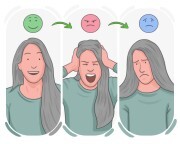
ánimo, estado de ánimo

Ex: The relaxing music helped improve her mood. 

La música relajante ayudó a mejorar su estado de ánimo.

moody
moody
[Adjetivo]

experiencing frequent changes in mood, often without apparent reason or explanation

malhumorado

malhumorado

Ex: He became moody whenever he was stressed at work, snapping at his coworkers for no reason. 

Se volvía malhumorado cada vez que estaba estresado en el trabajo, regañando a sus compañeros sin motivo.

courage
courage
[Sustantivo]

the quality to face danger or hardship without giving in to fear

coraje, valentía

coraje, valentía

Ex: His courage in the face of adversity inspired everyone around him. 

Su coraje frente a la adversidad inspiró a todos a su alrededor.

courageous
courageous
[Adjetivo]

expressing no fear when faced with danger or difficulty

valiente, valeroso, corajudo

valiente, valeroso, corajudo

Ex: The young explorer exhibited a courageous spirit as he ventured into the uncharted wilderness in search of new discoveries. 

El joven explorador exhibió un espíritu valiente mientras se adentraba en la naturaleza virgen en busca de nuevos descubrimientos.

culture
culture
[Sustantivo]

the general beliefs, customs, and lifestyles of a specific society

cultura

cultura

Ex: Our school promotes a culture of respect and kindness. 

Nuestra escuela promueve una cultura de respeto y amabilidad.

cultural
cultural
[Adjetivo]

involving a society's customs, traditions, beliefs, and other related matters

cultural

cultural

Ex: The festival celebrates the rich cultural diversity of the community through music, dance, and food. 

El festival celebra la rica diversidad cultural de la comunidad a través de la música, el baile y la comida.

sympathy
sympathy
[Sustantivo]

feelings of care and understanding toward other people's emotions, especially sadness or suffering

solidaridad, apoyo

solidaridad, apoyo

Ex: The community showed sympathy by organizing a fundraiser for the family affected by the fire. 

La comunidad mostró simpatía organizando una recaudación de fondos para la familia afectada por el incendio.

sympathetic
sympathetic
[Adjetivo]

showing care and understanding toward other people, especially when they are not feeling good

comprensivo

comprensivo

Ex: The doctor was sympathetic to the patient's concerns about the upcoming surgery. 

El médico fue comprensivo con las preocupaciones del paciente sobre la próxima cirugía.

talent
talent
[Sustantivo]

an ability that a person naturally has in doing something well

talento

talento

Ex: The singer's remarkable talent for hitting high notes amazed the audience. 

El notable talento del cantante para alcanzar notas altas asombró al público.

talented
talented
[Adjetivo]

possessing a natural skill or ability for something

talentoso, con talento

talentoso, con talento

Ex: The team has several talented players this season. 

El equipo tiene varios jugadores talentosos esta temporada.

recent
recent
[Adjetivo]

having happened, started, or been done only a short time ago

reciente

reciente

Ex: I watched their recent match and they played very well. 

Vi su partido reciente y jugaron muy bien.

recently
recently
[Adverbio]

at or during a time that is not long ago

recientemente

recientemente

Ex: The company introduced a new product recently. 

La empresa introdujo un nuevo producto recientemente.

confident
confident
[Adjetivo]

having a strong belief in one's abilities or qualities

seguro

seguro

Ex: She's a confident speaker, never nervous in front of a crowd. 

Ella es una oradora segura, nunca nerviosa frente a una multitud.

confidently
confidently
[Adverbio]

in a manner that shows strong belief in one's own skills or qualities

con confianza

con confianza

Ex: They confidently tackled the difficult project without hesitation. 

Ellos abordaron con confianza el proyecto difícil sin dudarlo.

final
final
[Adjetivo]

last in a sequence or process

final

final

Ex: This is the final piece of the puzzle, and then the picture will be complete. 

Esta es la última pieza del rompecabezas, y entonces la imagen estará completa.

finally
finally
[Adverbio]

after a long time, usually when there has been some difficulty

por fin

por fin

Ex: The bus was delayed, but it finally arrived at the station just in time. 

El autobús se retrasó, pero finalmente llegó a la estación justo a tiempo.

to create
to create
[Verbo]

to bring something into existence or make something happen

crear

crear

Ex: The scientists created a groundbreaking vaccine for the disease. 

Los científicos crearon una vacuna innovadora para la enfermedad.

creative
creative
[Adjetivo]

making use of imagination or innovation in bringing something into existence

creativo

creativo

Ex: I met a creative artist, turning everyday objects into beautiful sculptures. 

Conocí a un artista creativo, que convierte objetos cotidianos en hermosas esculturas.

to depend
to depend
[Verbo]

to be based on or related with different things that are possible

depender de
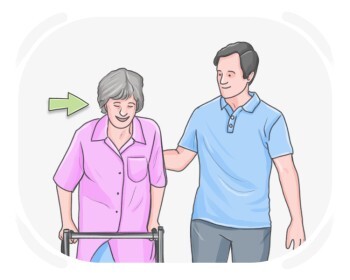
depender de

Ex: The outcome of the negotiation will depend on the willingness of both parties to find common ground. 

El resultado de la negociación dependerá de la voluntad de ambas partes para encontrar un terreno común.

dependent
dependent
[Adjetivo]

unable to survive, succeed, or stay healthy without someone or something

dependiente
dependiente

Ex: The newborn baby was completely dependent on her mother for food and care. 

El recién nacido era completamente dependiente de su madre para la alimentación y el cuidado.

to remark
to remark
[Verbo]

to express one's opinion through a statement

comentar
comentar

Ex: As they walked through the art gallery, visitors were free to remark on the paintings and sculptures they found most intriguing. 

Mientras caminaban por la galería de arte, los visitantes eran libres de hacer comentarios sobre las pinturas y esculturas que encontraban más intrigantes.

remarkable
remarkable
[Adjetivo]

worth noticing, especially because of being unusual or extraordinary

extraordinario

extraordinario

Ex: His remarkable athleticism earned him a place in the record books. 

Su notable atletismo le valió un lugar en los libros de récords.

rationale
rationale
[Sustantivo]

the justification or reasoning behind a decision or argument

lógica

lógica

Ex: The company's rationale for the merger was to increase market share and reduce competition. 

La justificación de la empresa para la fusión era aumentar la cuota de mercado y reducir la competencia.
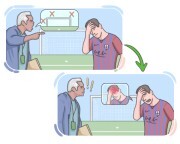
to rationalize

to create reasonable explanations for behaviors, decisions, or actions, especially when they may not truly represent the real motives

racionalizar

racionalizar

Ex: Smokers often rationalize their habit by focusing on short-term stress relief rather than acknowledging long-term health risks. 

Los fumadores a menudo racionalizan su hábito centrándose en el alivio del estrés a corto plazo en lugar de reconocer los riesgos para la salud a largo plazo.
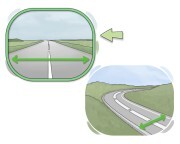
wide
wide
[Adjetivo]

having a large length from side to side

ancho, vasto
ancho, vasto

Ex: The field was wide, providing plenty of space for the children to play. 

El campo era ancho, proporcionando mucho espacio para que los niños jugaran.

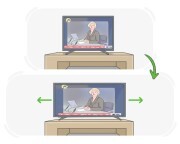
to widen
to widen
[Verbo]

to become wider or broader in dimension, extent, or scope

volviéndose ancho

volviéndose ancho

Ex: Due to the landslide, the road widened in some areas. 

Debido al deslizamiento de tierra, la carretera se ensanchó en algunas áreas.

clear
clear
[Adjetivo]

easy to understand

claro

claro

Ex: The map was clear, showing all the important landmarks and routes. 

El mapa era claro, mostrando todos los puntos de referencia y rutas importantes.

to clarify
to clarify
[Verbo]

to make something clear and easy to understand by explaining it more

aclarar, clarificar

aclarar, clarificar

Ex: In response to the confusion, the teacher clarified the instructions for the assignment. 

En respuesta a la confusión, el profesor aclaró las instrucciones para la tarea.

LanGeek
Descargar la aplicación LanGeek