pattern

Cambridge IELTS 19 - Académico - Prueba 1 - Escucha - Parte 1

Aprende vocabulario del Cambridge IELTS 19 Academic, Test 1 Listening Part 1, y repasa palabras y expresiones útiles de esta sección del examen de práctica.

Revisión

Tarjetas de memoria

formas

Ortografía

Cuestionario
Empezar a aprender
Cambridge IELTS 19 - Academic
speaking
speaking
[interjección]

used when answering the phone to let the caller know that the person they are trying to reach is on the line

sí,  habla

sí, habla

Ex: "Hello, is Sarah there?"  "Speaking." 

« Hola, ¿está Sarah? » « Al habla. »

ranger
ranger
[Sustantivo]

someone whose job is to take care of a forest, park, or an area of countryside

guardabosques, guarda forestal

guardabosques, guarda forestal

Ex: The ranger quickly responded to reports of a wildfire, coordinating efforts to contain it. 

El guardabosques respondió rápidamente a los informes de un incendio forestal, coordinando los esfuerzos para contenerlo.

teaching assistant
teaching assistant
[Sustantivo]

a graduate or undergraduate student who assists a professor or instructor in various tasks related to teaching

asistente de enseñanza, auxiliar docente

asistente de enseñanza, auxiliar docente

Ex: The teaching assistant graded homework assignments and provided feedback to students to help them improve their understanding of the material. 

El asistente de enseñanza calificó las tareas y proporcionó retroalimentación a los estudiantes para ayudarlos a mejorar su comprensión del material.
to arrange
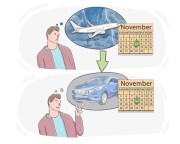
to arrange
[Verbo]

to make plans for a future event

organizar
organizar

Ex: They arranged a surprise party for their friend's birthday. 

Ellos organizaron una fiesta sorpresa para el cumpleaños de su amigo.

altogether
altogether
[Adverbio]

in every way or to the fullest degree

completamente, totalmente

completamente, totalmente

Ex: That's an altogether different problem from what we were discussing. 

Ese es un problema completamente diferente de lo que estábamos discutiendo.

to cover
to cover
[Verbo]

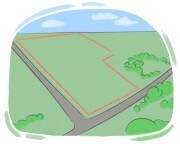
(of an area) to extend over a specific distance

cubrir, abarcar
cubrir, abarcar

Ex: The blanket of snow covered the entire neighborhood, creating a serene winter landscape. 

El manto de nieve cubría todo el vecindario, creando un sereno paisaje invernal.

acre
acre
[Sustantivo]

a unit used in North America and Britain for measuring land area that equals 4047 square meters or 4840 square yards

acre

acre

Ex: The park down the street is about five acres, making it a great place for picnics. 

El parque al final de la calle tiene unas cinco hectáreas, lo que lo convierte en un gran lugar para picnic.

hectare
hectare
[Sustantivo]

a land measurement unit that equals 10000 square meters or 2471 acres

hectárea

hectárea

Ex: Parks and nature reserves are often measured in hectares to assess their size and conservation impact. 

Los parques y reservas naturales a menudo se miden en hectáreas para evaluar su tamaño e impacto en la conservación.
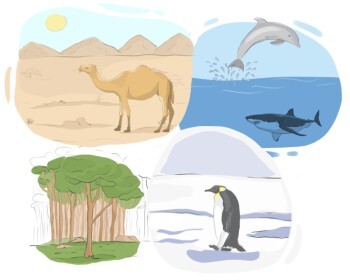
habitat
habitat
[Sustantivo]

the place or area in which certain animals, birds, or plants naturally exist, lives, and grows

hábitat

hábitat

Ex: Urban expansion is destroying the habitat of many wild animals. 

La expansión urbana está destruyendo el hábitat de muchos animales salvajes.

wetland
wetland
[Sustantivo]

an area of land characterized by its soil, water, and vegetation, where the water table is at or near the surface for a significant part of the year

humedal, pantano

humedal, pantano

Ex: Wetlands play a crucial role in water purification, filtering pollutants and sediments from runoff. 

Los humedales desempeñan un papel crucial en la purificación del agua, filtrando contaminantes y sedimentos de la escorrentía.

grassland
grassland
[Sustantivo]

a large, open, and grass-covered area

pradera, pastizal

pradera, pastizal

Ex: Fires can spread quickly in dry grasslands. 

Los incendios pueden propagarse rápidamente en los prados secos.
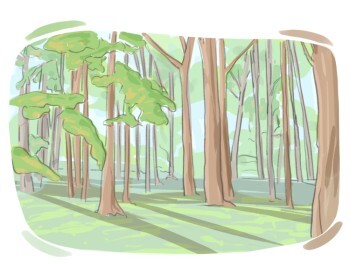
woodland
woodland
[Sustantivo]

land that is filled with many trees

bosque

bosque

Ex: She loved spending her weekends exploring the peaceful woodland near her home. 

A ella le encantaba pasar sus fines de semana explorando el bosque tranquilo cerca de su casa.

to establish

to make something stable, secure, or permanent in a specific place or position

establecer, instalar
establecer, instalar

Ex: They established the new clinic as a trusted healthcare provider in the area. 

Ellos establecieron la nueva clínica como un proveedor de atención médica confiable en el área.

varied
varied
[Adjetivo]

including or consisting of many different types

variado, diverso

variado, diverso

Ex: The movie received mixed reviews due to its varied pacing and storytelling techniques. 

La película recibió críticas mixtas debido a su ritmo variado y técnicas de narración.
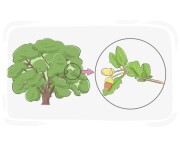
oak
oak
[Sustantivo]

a large tree, known for its strong wood and popular fruit

roble

roble

Ex: The leaves of the oak tree turn golden brown before falling in the autumn. 

Las hojas del roble se vuelven de un color marrón dorado antes de caer en otoño.

plantation
plantation
[Sustantivo]

a large piece of land where many trees are grown for harvesting

plantación, hacienda

plantación, hacienda

Ex: They planted new saplings to expand the plantation. 

Plantaron nuevos árboles jóvenes para expandir la plantación.
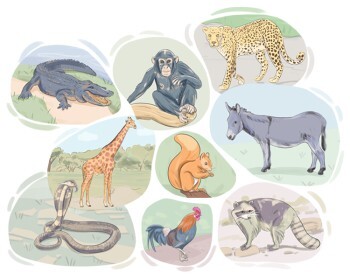
species
species
[Sustantivo]

a group that animals, plants, etc. of the same type which are capable of producing healthy offspring with each other are divided into

especie

especie

Ex: The red wolf is a species of wolf that is native to the southeastern United States. 

El lobo rojo es una especie de lobo nativa del sureste de los Estados Unidos.
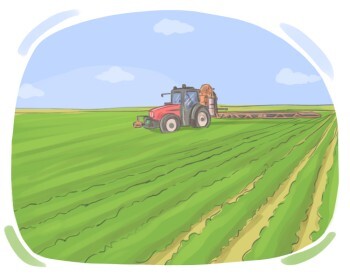
farmland
farmland
[Sustantivo]

a land that is used for farming, especially in rural areas

tierras de cultivo

tierras de cultivo

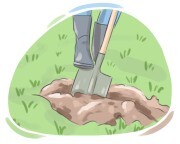
to dig up
to dig up
[Verbo]

to harvest something from the ground through digging, often referring to crops or resources

desenterrar, cosechar cavando

desenterrar, cosechar cavando

Ex: In preparation for the harvest festival, the community gathered to dig up vegetables from the communal garden. 

En preparación para el festival de la cosecha, la comunidad se reunió para desenterrar vegetales del jardín comunal.

quite
quite
[Adverbio]

to a degree that is significant but not extreme

bastante, muy

bastante, muy

Ex: The weather was quite warm today, making it a perfect day for a picnic in the park. 

El clima estuvo bastante cálido hoy, lo que lo convirtió en un día perfecto para un picnic en el parque.
to extract
to extract
[Verbo]

to take something out from something else, particularly when it is not easy to do

extraer, sacar

extraer, sacar

Ex: The archaeologists carefully excavated the site to extract ancient artifacts. 

Los arqueólogos excavaron cuidadosamente el sitio para extraer artefactos antiguos.

gravel
gravel
[Sustantivo]

a mix of sand and small pebbles that cover the surface of some roads

grava, gravilla

grava, gravilla

pit
pit
[Sustantivo]

a large hole in the ground where stones, minerals, or other materials are removed

foso, cantera

foso, cantera

Ex: They discovered an old pit filled with water after heavy rain. 

Descubrieron un pozo antiguo lleno de agua después de fuertes lluvias.

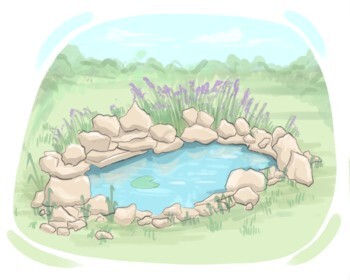
pond
pond
[Sustantivo]

an area containing still water that is comparatively smaller than a lake, particularly one that is made artificially

estanque

estanque

Ex: Children delighted in feeding the fish that inhabited the clear waters of the small pond in the park. 

Los niños disfrutaban alimentando a los peces que habitaban las aguas claras del pequeño estanque del parque.

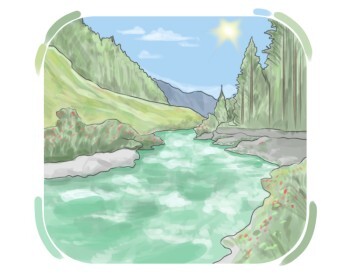
stream
stream
[Sustantivo]

a small and narrow river that runs on or under the earth

corriente
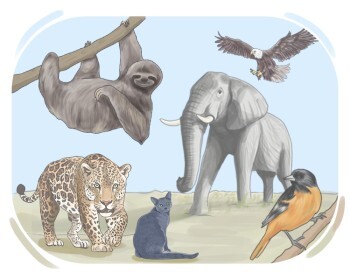
corriente

Ex: The stream was clear, and you could see the fish swimming. 

El arroyo estaba claro, y podías ver los peces nadando.

wildlife
wildlife
[Sustantivo]

all wild animals, considered as a whole, living in the natural environment

fauna

fauna

Ex: The jungle is teeming with wildlife, from insects to large mammals. 

La jungla está repleta de vida silvestre, desde insectos hasta grandes mamíferos.

party
party
[Sustantivo]

a group of people who are gathered together for a common purpose

grupo

grupo

Ex: We attended a birthday party at a friend's house last weekend. 

Asistimos a una fiesta de cumpleaños en la casa de un amigo el fin de semana pasado.

to adapt
to adapt
[Verbo]

to change something in a way that suits a new purpose or situation better

adaptar

adaptar

Ex: To accommodate new technologies, the software developer will adapt the application. 

Para acomodar nuevas tecnologías, el desarrollador de software adaptará la aplicación.

to suit
to suit
[Verbo]

to fulfill or satisfy the needs, desires, or preferences of individuals or groups

adecuarse, satisfacer

adecuarse, satisfacer

Ex: The affordable pricing of the hotel accommodations suits travelers on a budget. 

El precio asequible de los alojamientos del hotel satisface a los viajeros con un presupuesto ajustado.

range
range
[Sustantivo]

a variety of things that are different but are of the same general type

rango

rango

Ex: The restaurant's menu features a range of dishes from different cuisines around the world. 

El menú del restaurante presenta una gama de platos de diferentes cocinas alrededor del mundo.

to analyze
to analyze
[Verbo]

to examine or study something in detail in order to explain or understand it

analizar

analizar

Ex: The financial analyst will analyze the company's quarterly reports to assess its performance. 

El analista financiero analizará los informes trimestrales de la empresa para evaluar su desempeño.

data
data
[Sustantivo]

information or facts collected to be used for various purposes

datos

datos

Ex: Weather forecasters rely on data from satellites and weather stations to predict future conditions. 

Los pronosticadores del clima dependen de datos de satélites y estaciones meteorológicas para predecir condiciones futuras.

geography
geography
[Sustantivo]

the scientific study of the physical features of the Earth and its atmosphere, divisions, products, population, etc.

geografía

geografía

Ex: She used maps and atlases to study the geography of different regions. 

Ella usó mapas y atlas para estudiar la geografía de diferentes regiones.

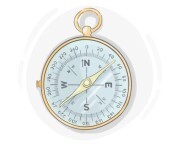
compass
compass
[Sustantivo]

a device with a needle that always points to the north, used to find direction

brújula

brújula

Ex: She checked the compass to ensure they were heading north towards the mountain base camp. 

Ella revisó la brújula para asegurarse de que se dirigían al norte hacia el campamento base de la montaña.

to navigate

to choose the direction of and guide a vehicle, ship, etc., especially by using a map

conducir, gobernar

conducir, gobernar

Ex: The driving instructor taught the student how to navigate through traffic and use road signs. 

El instructor de conducción le enseñó al estudiante cómo navegar por el tráfico y usar las señales de tráfico.

for instance
for instance
[Adverbio]

used to introduce an example of something mentioned

por ejemplo, a modo de ejemplo

por ejemplo, a modo de ejemplo

Ex: There are various ways to stay fit; for instance, you can join a gym, take up swimming, or go for regular runs. 

Hay varias formas de mantenerse en forma; por ejemplo, puedes unirte a un gimnasio, empezar a nadar o salir a correr regularmente.

leisure
leisure
[Sustantivo]

activities someone does in order to enjoy their free time

tiempo libre

tiempo libre

to imagine
to imagine
[Verbo]

to suppose or guess something without concrete evidence

suponer, figurarse

suponer, figurarse

Ex: I imagine he'll be surprised when he sees the birthday cake we got for him. 

Me imagino que se sorprenderá cuando vea la tarta de cumpleaños que le compramos.

requirement
requirement
[Sustantivo]

something that is essential or indispensable

necesidad

necesidad

Ex: Proper nutrition is a requirement for health. 

Una nutrición adecuada es un requisito para la salud.

to cover
to cover
[Verbo]

to encompass or include a range of topics, issues, or situations

cubrir, abarcar

cubrir, abarcar

Ex: The discussion will cover recent developments in the field of artificial intelligence. 

La discusión cubrirá los desarrollos recientes en el campo de la inteligencia artificial.

to explore
to explore
[Verbo]

to investigate something to gain knowledge or understanding about it

explorar, investigar

explorar, investigar

Ex: The team often explores innovative technologies to improve efficiency. 

El equipo a menudo explora tecnologías innovadoras para mejorar la eficiencia.

rhythm
rhythm
[Sustantivo]

a strong repeated pattern of musical notes or sounds

ritmo

ritmo

Ex: The rhythm of the song made everyone want to dance. 

El ritmo de la canción hizo que todos quisieran bailar.

tempo
tempo
[Sustantivo]

the speed that a piece of music is or should be played at

tempo, ritmo

tempo, ritmo

Ex: The tempo of the music gradually slowed down toward the end. 

El tempo de la música se ralentizó gradualmente hacia el final.

self-confidence
self-confidence
[Sustantivo]

the belief and trust in oneself and one's abilities

confianza en uno mismo, autoestima

confianza en uno mismo, autoestima

Ex: The training program helped boost his self-confidence before the presentation. 

El programa de entrenamiento ayudó a aumentar su confianza en sí mismo antes de la presentación.

practical
practical
[Adjetivo]

focused on actions and real-life use, rather than on just ideas or theories

práctico

práctico

Ex: The practical application of physics principles helped improve manufacturing processes. 

La aplicación práctica de los principios de la física ayudó a mejorar los procesos de fabricación.

to invoice
to invoice
[Verbo]

to send someone a bill for goods or services

facturar, enviar una factura

facturar, enviar una factura

Ex: They have already invoiced us for the completed project. 

Ya nos han facturado por el proyecto completado.

to encourage

to make something more likely to exist, happen, or develop

fomentar, alentar

fomentar, alentar

Ex: The government has taken steps to encourage sustainable farming practices. 

El gobierno ha tomado medidas para fomentar prácticas agrícolas sostenibles.

sense
sense
[Sustantivo]

an overall, conscious recognition or understanding of a situation, feeling, or environment

sentido, sensación

sentido, sensación

Ex: There was a sense of unease in the room as they awaited the verdict. 

Había una sensación de inquietud en la habitación mientras esperaban el veredicto.

charge
charge
[Sustantivo]

the sum of money that needs to be payed for a thing or service

tarifa

tarifa

Ex: The mechanic quoted a reasonable charge for repairing the car's brakes. 

El mecánico citó un cargo razonable por la reparación de los frenos del coche.

colleague
colleague
[Sustantivo]

someone with whom one works

colega

colega

Ex: During the annual company retreat, I had the chance to bond with colleagues from different departments, which helped strengthen our professional network. 

Durante el retiro anual de la empresa, tuve la oportunidad de estrechar lazos con colegas de diferentes departamentos, lo que ayudó a fortalecer nuestra red profesional.

to sound
to sound
[Verbo]

to convey or make a specific impression when read about or when heard

sonar, parecer

sonar, parecer

Ex: Your friend's suggestion for a road trip sounds exciting. 
to concentrate

to focus one's all attention on something specific

concentrar

concentrar

Ex: The students were asked to concentrate during the lecture to grasp the complex concepts being explained. 

Se les pidió a los estudiantes que se concentraran durante la conferencia para comprender los conceptos complejos que se explicaban.

benefit
benefit
[Sustantivo]

an advantage or a helpful effect that is the result of a situation

beneficio
beneficio

Ex: The new policy offers several benefits to low-income families. 

La nueva política ofrece varios beneficios a las familias de bajos ingresos.

elsewhere
elsewhere
[Adverbio]

at, in, or to another place

en otro lugar

en otro lugar

Ex: Most of the guests were busy chatting elsewhere when dinner was served. 

La mayoría de los invitados estaban ocupados charlando en otro lugar cuando se sirvió la cena.
to gain
to gain
[Verbo]

to obtain something through one's own actions or hard work

obtener

obtener

Ex: They gained the trust of their clients by consistently delivering exceptional service. 

Ganaron la confianza de sus clientes al ofrecer constantemente un servicio excepcional.

per
per
[Preposición]

for one person or thing

por

por

Ex: The bookstore allows customers to borrow up to three books per visit. 

La librería permite a los clientes pedir prestados hasta tres libros por visita.

to flow
to flow
[Verbo]

to move smoothly and continuously in one direction, especially in a current or stream

fluir

fluir

Ex: The melted snow flowed down the mountain slopes, feeding into the river below. 

La nieve derretida fluía por las laderas de la montaña, alimentando el río que estaba abajo.

tourism
tourism
[Sustantivo]

the activity of traveling to different places for enjoyment, sightseeing, or relaxation

turismo, viaje de placer

turismo, viaje de placer

Ex: Tourism brings many visitors to the city every year. 

El turismo trae muchos visitantes a la ciudad cada año.

to [make] a booking

to arrange or schedule something in advance, such as a ticket. place, or service

Ex: He is making a booking for a table at the restaurant for his anniversary. 
LanGeek
Descargar la aplicación LanGeek