pattern

Cambridge IELTS 19 - Academic - Test 1 - Listening - Part 1

Here you can find the vocabulary from Test 1 - Listening - Part 1 in the Cambridge IELTS 19 - Academic coursebook, to help you prepare for your IELTS exam.

Review

Flashcards

Forms

Spelling

Quiz

Start learning
Cambridge IELTS 19 - Academic
speaking
speaking
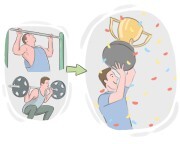
[interjection]

used when answering the phone to let the caller know that the person they are trying to reach is on the line
Ex: "Good morning! Is this John?" "Yes, speaking. Who’s calling?" 
Close
Sign in
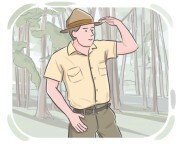
ranger
ranger
[noun]

someone whose job is to take care of a forest, park, or an area of countryside

Ex: The park ranger led a guided tour, educating visitors about the local wildlife and vegetation. 
Close
Sign in
teaching assistant

a graduate or undergraduate student who assists a professor or instructor in various tasks related to teaching
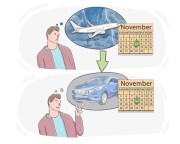
Ex: The teaching assistant conducted review sessions to help students prepare for the upcoming exam. 
Close
Sign in
to arrange

to make plans for a future event

Ex: She arranged a meeting with her colleagues to discuss the project. 
Close
Sign in
altogether
altogether
[Adverb]

in every way or to the fullest degree
Ex: The plan was altogether unrealistic and poorly thought out. 
Close
Sign in
to cover
to cover
[Verb]

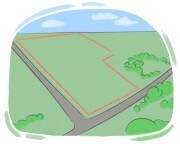
(of an area) to extend over a specific distance

Ex: The grounds covered eight acres. 
Close
Sign in
acre
acre
[noun]

a unit used in North America and Britain for measuring land area that equals 4047 square meters or 4840 square yards

Ex: A typical soccer field covers about 1.5 acres. 
Close
Sign in
hectare
hectare
[noun]

a land measurement unit that equals 10000 square meters or 2471 acres
Ex: A hectare is a unit of area equal to 10,000 square meters or approximately 2.47 acres. 
Close
Sign in
habitat
habitat
[noun]

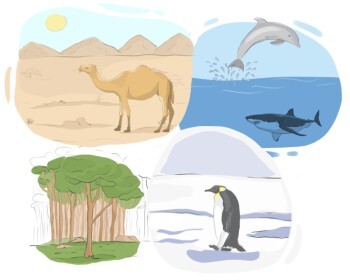
the place or area in which certain animals, birds, or plants naturally exist, lives, and grows

Ex: Coral reefs provide a rich habitat for thousands of marine species. 
Close
Sign in
wetland
wetland
[noun]

an area of land characterized by its soil, water, and vegetation, where the water table is at or near the surface for a significant part of the year

Ex: The Everglades in Florida is a vast wetland ecosystem known for its unique mix of marshes, swamps, and wet prairies. 
Close
Sign in
grassland
grassland
[noun]

a large, open, and grass-covered area

Ex: Many animals live in the vast grassland. 
Close
Sign in
woodland
woodland
[noun]

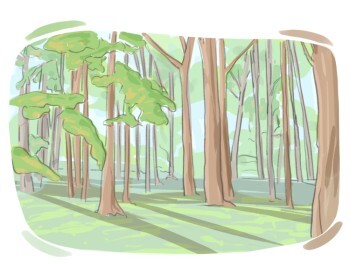
land that is filled with many trees

Ex: The hikers set off on a trail through the dense woodland to reach the mountain summit. 
Close
Sign in
to establish

to make something stable, secure, or permanent in a specific place or position

Ex: They established their home in the quiet countryside after moving from the city. 
Close
Sign in
varied
varied
[Adjective]

including or consisting of many different types
Ex: The menu offered a varied selection of dishes from around the world. 
Close
Sign in
oak
oak
[noun]

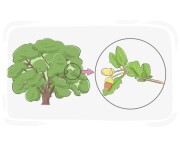
a large tree, known for its strong wood and popular fruit

Ex: The ancient oak tree stood majestically in the middle of the forest. 
Close
Sign in
plantation

a large piece of land where many trees are grown for harvesting
Ex: Workers walked through the plantation, checking the health of the trees. 
Close
Sign in
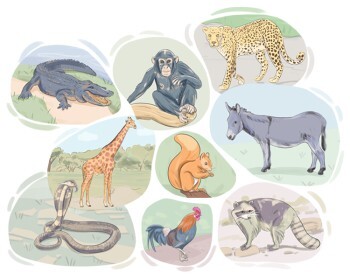
species
species
[noun]

a group that animals, plants, etc. of the same type which are capable of producing healthy offspring with each other are divided into
Ex: The Galapagos finches are a classic example of how different species can evolve from a common ancestor. 
Close
Sign in
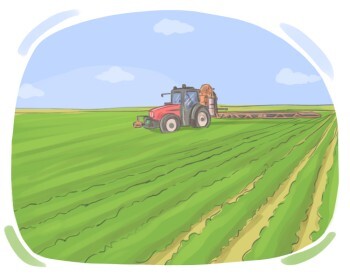
farmland
farmland
[noun]

a land that is used for farming, especially in rural areas

Close
Sign in
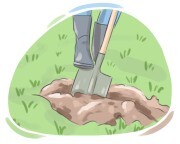
to dig up
to dig up
[Verb]

to harvest something from the ground through digging, often referring to crops or resources

Ex: The farmers were eager to dig up the ripe potatoes from the fertile soil. 
Close
Sign in
quite
quite
[Adverb]

to a degree that is significant but not extreme
Ex: The movie was quite interesting, but it didn't live up to the hype everyone had created. 
Close
Sign in
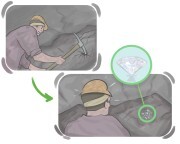
to extract

to take something out from something else, particularly when it is not easy to do

Ex: The dentist had to extract a damaged tooth to relieve the patient's pain. 
Close
Sign in
gravel
gravel
[noun]

a mix of sand and small pebbles that cover the surface of some roads

Close
Sign in
pit
pit
[noun]

a large hole in the ground where stones, minerals, or other materials are removed

Ex: The workers spent hours digging in the pit to extract the rocks. 
Close
Sign in
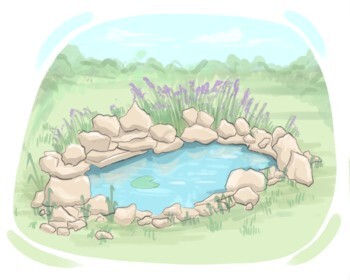
pond
pond
[noun]

an area containing still water that is comparatively smaller than a lake, particularly one that is made artificially

Ex: The tranquil pond reflected the colors of the surrounding trees and sky, creating a picturesque scene. 
Close
Sign in
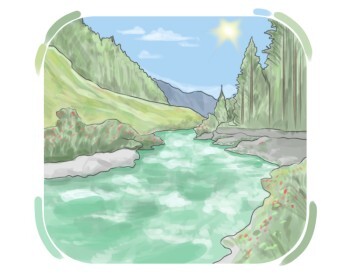
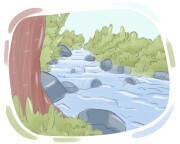
stream
stream
[noun]

a small and narrow river that runs on or under the earth
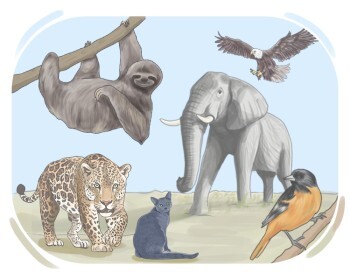
Ex: The stream runs through the forest and into the lake. 
Close
Sign in
wildlife
wildlife
[noun]

all wild animals, considered as a whole, living in the natural environment

Ex: The national park is home to a variety of wildlife, including bears and wolves. 
Close
Sign in
party
party
[noun]

a group of people who are gathered together for a common purpose
Ex: The company hosted a party to celebrate the team's success. 
Close
Sign in
to adapt
to adapt
[Verb]

to change something in a way that suits a new purpose or situation better

Ex: The company had to adapt its marketing strategy to reach a global audience. 
Close
Sign in
to suit
to suit
[Verb]

to fulfill or satisfy the needs, desires, or preferences of individuals or groups

Ex: The flexible scheduling options suit employees who prefer to work remotely. 
Close
Sign in
range
range
[noun]

a variety of things that are different but are of the same general type

Ex: The store offers a wide range of electronics, from smartphones to laptops. 
Close
Sign in
to analyze

to examine or study something in detail in order to explain or understand it

Ex: The scientist needed to analyze the data to draw meaningful conclusions from the experiment. 
Close
Sign in
data
data
[noun]

information or facts collected to be used for various purposes

Ex: The scientist analyzed the data collected from the experiment. 
Close
Sign in
geography
geography
[noun]

the scientific study of the physical features of the Earth and its atmosphere, divisions, products, population, etc.

Ex: He majored in geography to understand more about Earth's physical features and human impact. 
Close
Sign in
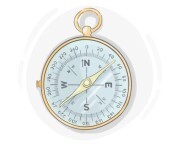
compass
compass
[noun]

a device with a needle that always points to the north, used to find direction

Ex: The hiker used a compass to navigate through the dense forest and stay on the right path. 
Close
Sign in
to navigate

to choose the direction of and guide a vehicle, ship, etc., especially by using a map

Ex: She helped the driver navigate by providing turn-by-turn directions. 
Close
Sign in
for instance
for instance
[Adverb]

used to introduce an example of something mentioned

Ex: There are many beautiful places to visit in Italy, for instance, Rome, Venice, and Florence. 
Close
Sign in
leisure
leisure
[noun]

activities someone does in order to enjoy their free time

Close
Sign in
to imagine

to suppose or guess something without concrete evidence
Ex: We can only imagine how much effort went into organizing this event. 
Close
Sign in
requirement

something that is essential or indispensable

Ex: Water is a basic requirement for life. 
Close
Sign in
to cover
to cover
[Verb]

to encompass or include a range of topics, issues, or situations

Ex: The textbook covers various topics in biology, from cell structure to ecosystems. 
Close
Sign in
to explore

to investigate something to gain knowledge or understanding about it

Ex: The researchers explored the effects of climate change on local ecosystems, conducting experiments to gather data and analyze their findings. 
Close
Sign in
rhythm
rhythm
[noun]

a strong repeated pattern of musical notes or sounds

Ex: She clapped along with the rhythm of the music. 
Close
Sign in
tempo
tempo
[noun]

the speed that a piece of music is or should be played at

Ex: The conductor adjusted the tempo to match the mood of the piece. 
Close
Sign in
self-confidence

the belief and trust in oneself and one's abilities

Ex: Her self-confidence grew as she successfully completed each challenge. 
Close
Sign in
practical
practical
[Adjective]

focused on actions and real-life use, rather than on just ideas or theories

Ex: The course focused on practical skills such as problem-solving and decision-making. 
Close
Sign in
to invoice

to send someone a bill for goods or services

Ex: He had invoiced the customer before starting the next order. 
Close
Sign in
to encourage

to make something more likely to exist, happen, or develop

Ex: The teacher encouraged creativity in her students by giving them freedom to experiment. 
Close
Sign in
sense
sense
[noun]

an overall, conscious recognition or understanding of a situation, feeling, or environment

Ex: She had the sense of being a political outsider. 
Close
Sign in
charge
charge
[noun]

the sum of money that needs to be payed for a thing or service

Ex: The hotel room charge included breakfast and Wi-Fi access. 
Close
Sign in
colleague
colleague
[noun]

someone with whom one works

Ex: My colleague and I collaborated on a project that received high praise from our manager for its innovative approach. 
Close
Sign in
to sound
to sound
[Verb]

to convey or make a specific impression when read about or when heard

Ex: The new movie sounds exciting; we should watch it. 
Close
Sign in
to concentrate

to focus one's all attention on something specific

Ex: During the exam, it's crucial to concentrate on each question to ensure accurate answers. 
Close
Sign in
benefit
benefit
[noun]

an advantage or a helpful effect that is the result of a situation
Ex: One of the main benefits of exercise is improved mental health. 
Close
Sign in
elsewhere
elsewhere
[Adverb]

at, in, or to another place

Ex: The store was out of stock, so I had to look elsewhere for the product. 
Close
Sign in
to gain
to gain
[Verb]

to obtain something through one's own actions or hard work

Ex: She gained recognition in the industry through years of dedication and innovation. 
Close
Sign in
per
per
[preposition]

for one person or thing

Ex: The car rental agency charges $50 per day for a compact car. 
Close
Sign in
to flow
to flow
[Verb]

to move smoothly and continuously in one direction, especially in a current or stream

Ex: The river flowed gently through the valley, carrying leaves downstream. 
Close
Sign in
tourism
tourism
[noun]

the activity of traveling to different places for enjoyment, sightseeing, or relaxation

Ex: Tourism increases during the holiday season when people take vacations. 
Close
Sign in
to [make] a booking

to arrange or schedule something in advance, such as a ticket. place, or service

Ex: She made a booking for a hotel room near the beach. 
Close
Sign in
LanGeek
Download LanGeek app