pattern

Cambridge IELTS 19 - Academic - Test 1 - Słuchanie - Część 1

Ucz się słownictwa z Cambridge IELTS 19 Academic, Test 1 Listening Part 1 i powtarzaj przydatne słowa i wyrażenia z tej części testu ćwiczeniowego.

Przegląd

Fiszki

formy

Pisownia

Test
Zacznij naukę
Cambridge IELTS 19 - Academic
speaking
speaking
[wykrzyknik]

used when answering the phone to let the caller know that the person they are trying to reach is on the line

tak,  słucham

tak, słucham

Ex: "Hello, is Sarah there?"  "Speaking." 

« Cześć, czy Sara jest? » « Przy telefonie. »

ranger
ranger
[Rzeczownik]

someone whose job is to take care of a forest, park, or an area of countryside

strażnik leśny, ranger

strażnik leśny, ranger

Ex: She always wanted to be a ranger, spending her days protecting and preserving natural landscapes. 

Zawsze chciała być strażnikiem parku, spędzając swoje dni na ochronie i zachowaniu naturalnych krajobrazów.

teaching assistant
teaching assistant
[Rzeczownik]

a graduate or undergraduate student who assists a professor or instructor in various tasks related to teaching

asystent nauczyciela, pomocnik nauczyciela

asystent nauczyciela, pomocnik nauczyciela

Ex: In the discussion sections, the teaching assistant facilitated engaging conversations and answered questions to clarify complex topics. 

W sekcjach dyskusyjnych asystent nauczyciela ułatwiał angażujące rozmowy i odpowiadał na pytania, aby wyjaśnić złożone tematy.
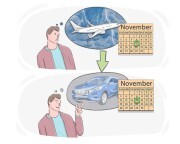
to arrange
to arrange
[Czasownik]

to make plans for a future event

organizować, ustalać
organizować, ustalać

Ex: She arranged a meeting with her colleagues to discuss the project. 
altogether
altogether
[przysłówek]

in every way or to the fullest degree

całkowicie, zupełnie

całkowicie, zupełnie

Ex: The plan was altogether unrealistic and poorly thought out. 
to cover
to cover
[Czasownik]

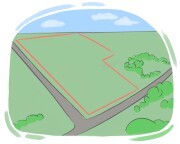
(of an area) to extend over a specific distance

pokrywać, rozciągać się na
pokrywać, rozciągać się na

Ex: The grounds covered eight acres. 
acre
acre
[Rzeczownik]

a unit of area equal to 4,840 square yards or about 4,047 square meters, used especially for measuring land

akr,  morga

akr, morga

Ex: The wildfire destroyed thousands of acres of forest. 
hectare
hectare
[Rzeczownik]

a land measurement unit that equals 10000 square meters or 2471 acres

hektar, Hektar to jednostka powierzchni równa 10 000 metrów kwadratowych lub około 2

hektar, Hektar to jednostka powierzchni równa 10 000 metrów kwadratowych lub około 2

Ex: In urban planning, the development project spans several hectares of land. 

W planowaniu miejskim projekt rozwojowy obejmuje kilka hektarów ziemi.
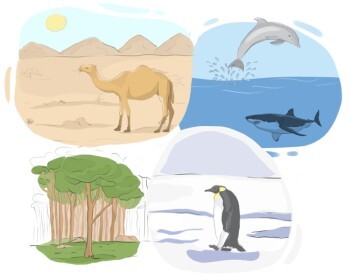
habitat
habitat
[Rzeczownik]

the natural environment in which a particular animal, plant, or other organism normally lives or grows

siedlisko,  środowisko naturalne

siedlisko, środowisko naturalne

Ex: The researchers studied how climate change is affecting the bear's habitat. 
wetland
wetland
[Rzeczownik]

an area of land characterized by its soil, water, and vegetation, where the water table is at or near the surface for a significant part of the year

obszar podmokły, bagno

obszar podmokły, bagno

Ex: In the spring, certain wetlands serve as essential breeding grounds for amphibians, providing suitable habitats for their life cycles. 

Wiosną niektóre mokradła służą jako istotne tereny lęgowe dla płazów, zapewniając odpowiednie siedliska dla ich cyklów życiowych.

grassland
grassland
[Rzeczownik]

a large, open, and grass-covered area

łąka, pastwisko

łąka, pastwisko

Ex: Farmers use grasslands for cattle grazing. 

Rolnicy wykorzystują łąki do wypasu bydła.
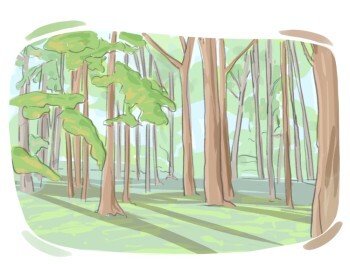
woodland
woodland
[Rzeczownik]

land covered with many trees, especially an area smaller or less dense than a typical forest

las,  zagajnik

las, zagajnik

Ex: Birds nested throughout the dense woodland. 
to establish
to establish
[Czasownik]

to make something stable, secure, or permanent in a specific place or position

ustanawiać, zakładać

ustanawiać, zakładać

Ex: The company worked hard to establish its headquarters in the new city. 
varied
varied
[przymiotnik]

including or consisting of many different types

różnorodny, zróżnicowany

różnorodny, zróżnicowany

Ex: The museum exhibit showcased a varied collection of artwork spanning different periods and styles. 

Wystawa muzealna zaprezentowała zróżnicowaną kolekcję dzieł sztuki obejmującą różne okresy i style.
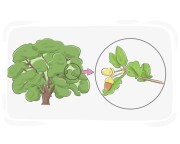
oak
oak
[Rzeczownik]

a large tree that produces acorns and is valued for its hard, strong wood

dąb,  dębina

dąb, dębina

Ex: Several ancient oaks grow throughout the park. 
plantation
plantation
[Rzeczownik]

a large piece of land where many trees are grown for harvesting

plantacja, gospodarstwo rolne

plantacja, gospodarstwo rolne

Ex: A river flowed beside the sycamore plantation, helping the trees grow. 

Rzeka płynęła obok plantacji platanów, pomagając drzewom rosnąć.
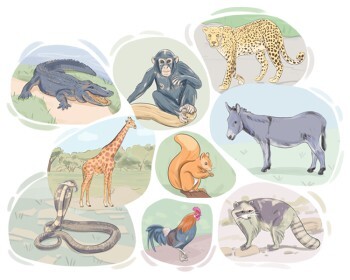
species
species
[Rzeczownik]

a group that animals, plants, etc. of the same type which are capable of producing healthy offspring with each other are divided into

gatunek, gatunki

gatunek, gatunki

Ex: The domestic dog is a species of the genus Canis that has been selectively bred by humans for thousands of years. 

Pies domowy to gatunek z rodzaju Canis, który był selekcjonowany przez ludzi przez tysiące lat.
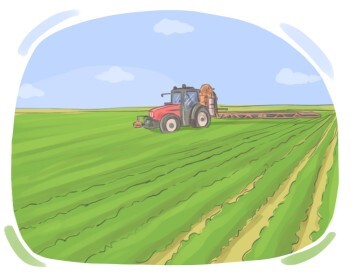
farmland
farmland
[Rzeczownik]

a land that is used for farming, especially in rural areas

grunty rolne, ziemia uprawna
grunty rolne, ziemia uprawna

to dig up
to dig up
[Czasownik]

to harvest something from the ground through digging, often referring to crops or resources

wykopywać, zbierać przez kopanie

wykopywać, zbierać przez kopanie

Ex: The farmers were eager to dig up the ripe potatoes from the fertile soil. 

Rolnicy nie mogli się doczekać, aby wykopać dojrzałe ziemniaki z żyznej gleby.

quite
quite
[przysłówek]

to a degree that is significant but not extreme

dość, całkiem

dość, całkiem

Ex: The weather was quite warm today, making it a perfect day for a picnic in the park. 

Dziś pogoda była dość ciepła, co czyniło ją idealnym dniem na piknik w parku.
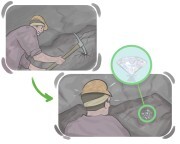
to extract
to extract
[Czasownik]

to take something out from something else, particularly when it is not easy to do

ekstrahować, usunąć

ekstrahować, usunąć

Ex: The surgeon carefully extracted the piece of glass from his hand. 
gravel
gravel
[Rzeczownik]

small stones or fragments of rock, often mixed with sand and used for roads, paths, or construction

żwir,  tłuczeń

żwir, tłuczeń

Ex: Rainwater drained quickly through the loose gravel. 
pit
pit
[Rzeczownik]

a large excavation where stone, clay, gravel, or other materials are removed from the ground

kopalnia,  żwirownia
kopalnia, żwirownia

Ex: Heavy machinery was working at the sand pit. 
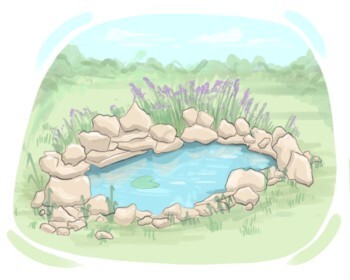
pond
pond
[Rzeczownik]

a small area of still water, smaller than a lake and often artificially made

staw,  sadzawka
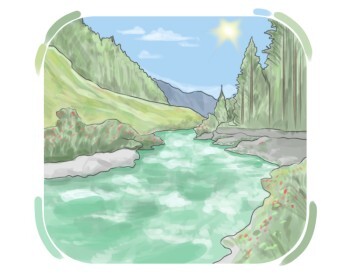
staw, sadzawka

Ex: The pond froze during the coldest part of winter. 
stream
stream
[Rzeczownik]

a small and narrow river that runs on or under the earth

strumień, potok
strumień, potok

Ex: The stream runs through the forest and into the lake. 
wildlife
wildlife
[Rzeczownik]

wild animals living freely in their natural environment, considered collectively

Ex: The rescue center cares for wildlife injured during forest fires. 
party
party
[Rzeczownik]

a group of people who are gathered together for a common purpose

grupa, zespół
grupa, zespół

Ex: The company hosted a party to celebrate the team's success. 
to adapt
to adapt
[Czasownik]

to change something so that it is suitable for a different purpose, situation, or need

adaptować, dostosować

adaptować, dostosować

Ex: Teachers often adapt their lessons to suit different learning styles. 
to suit
to suit
[Czasownik]

to fulfill or satisfy the needs, desires, or preferences of individuals or groups

pasować, zaspokajać

pasować, zaspokajać

Ex: The flexible scheduling options suit employees who prefer to work remotely. 
range
range
[Rzeczownik]

a variety of things that are different but are of the same general type

zakres,  różnorodność

zakres, różnorodność

Ex: The store offers a wide range of electronics, from smartphones to laptops. 
to analyze
to analyze
[Czasownik]

to examine or study something in detail in order to explain or understand it

analizować, badać

analizować, badać

Ex: The scientist needed to analyze the data to draw meaningful conclusions from the experiment. 
data
data
[Rzeczownik]

information or facts collected to be used for various purposes

dane, informacje

dane, informacje

Ex: The scientist analyzed the data collected from the experiment. 
geography
geography
[Rzeczownik]

the study of Earth's physical features, environments, populations, and the ways people and places relate to one another
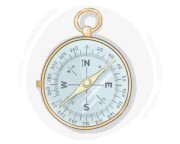
Ex: Our geography class is learning about rivers and population patterns. 
compass
compass
[Rzeczownik]

a device with a needle that always points to the north, used to find direction

kompas, busola

kompas, busola

Ex: The explorer always carried a compass in his backpack for his adventurous journeys. 

Odkrywca zawsze nosił kompas w swoim plecaku na swoje przygodowe podróże.

to navigate
to navigate
[Czasownik]

to choose the direction of and guide a vehicle, ship, etc., especially by using a map

nawigować, kierować

nawigować, kierować

Ex: Using a paper map, the backpackers took turns navigating. 

Używając papierowej mapy, turyści na zmianę nawigowali.

for instance
for instance
[przysłówek]

used to introduce an example of something mentioned

na przykład, dla przykładu

na przykład, dla przykładu

Ex: Some people enjoy outdoor activities such as hiking and camping; for instance, my friends love to go backpacking in the mountains. 

Niektórzy ludzie lubią aktywności na świeżym powietrzu, takie jak wędrówki i biwakowanie; na przykład moi przyjaciele uwielbiają chodzić na górskie wyprawy z plecakiem.

leisure
leisure
[Rzeczownik]

activities done for enjoyment or relaxation during one's free time

wypoczynek,  czas wolny

wypoczynek, czas wolny

Ex: The center provides facilities for leisure and recreation. 
to imagine
to imagine
[Czasownik]

to suppose or guess something without concrete evidence

wyobrażać sobie, przypuszczać

wyobrażać sobie, przypuszczać

Ex: We can only imagine how much effort went into organizing this event. 
requirement
requirement
[Rzeczownik]

something that is essential or indispensable

wymaganie, warunek

wymaganie, warunek

Ex: Water is a basic requirement for life. 
to cover
to cover
[Czasownik]

to encompass or include a range of topics, issues, or situations

obejmować, zawierać

obejmować, zawierać

Ex: The presentation will cover the history and cultural significance of the traditional dance. 
to explore
to explore
[Czasownik]

to investigate something to gain knowledge or understanding about it

badać, eksplorować

badać, eksplorować

Ex: The researchers explored the effects of climate change on local ecosystems, conducting experiments to gather data and analyze their findings. 
rhythm
rhythm
[Rzeczownik]

a repeated pattern of beats or sounds in music

rytm,  rytmika

rytm, rytmika

Ex: Daniel struggled to follow the complicated rhythm on the drums. 
tempo
tempo
[Rzeczownik]

the speed that a piece of music is or should be played at

tempo, rytm

tempo, rytm

Ex: The song had a steady tempo that made it easy to dance to. 

Piosenka miała stałe tempo, które ułatwiało tańczenie.

self-confidence
self-confidence
[Rzeczownik]

the belief and trust in oneself and one's abilities

pewność siebie, wiara w siebie

pewność siebie, wiara w siebie

Ex: Self-confidence allowed her to take on leadership roles without hesitation. 

Pewność siebie pozwoliła jej bez wahania podejmować role przywódcze.

practical
practical
[przymiotnik]

focused on actions and real-life use, rather than on just ideas or theories

praktyczny, funkcjonalny

praktyczny, funkcjonalny

Ex: The course focused on practical skills such as problem-solving and decision-making. 
to invoice
to invoice
[Czasownik]

to send someone a bill for goods or services

wystawić fakturę, wysłać fakturę

wystawić fakturę, wysłać fakturę

Ex: The store will invoice you after the items are shipped. 

Sklep wystawi ci fakturę po wysłaniu przedmiotów.

to encourage
to encourage
[Czasownik]

to make something more likely to exist, happen, or develop

zachęcać, wspierać

zachęcać, wspierać

Ex: The charity works to encourage donations for research into rare diseases. 
sense
sense
[Rzeczownik]

an overall, conscious recognition or understanding of a situation, feeling, or environment

zmysł, uczucie

zmysł, uczucie

Ex: She had the sense of being a political outsider. 
charge
charge
[Rzeczownik]

the sum of money that needs to be payed for a thing or service

opłata, cena

opłata, cena

Ex: The hotel room charge included breakfast and Wi-Fi access. 
colleague
colleague
[Rzeczownik]

someone with whom one works

kolega, współpracownik

kolega, współpracownik

Ex: My colleague and I collaborated on a project that received high praise from our manager for its innovative approach. 
to sound
to sound
[Czasownik]

to convey or make a specific impression when read about or when heard

brzmieć, wydawać się

brzmieć, wydawać się

Ex: The plan sounds promising, but we need to consider all the potential risks. 
to concentrate
to concentrate
[Czasownik]

to focus one's all attention on something specific

skoncentrować się,  skupić się

skoncentrować się, skupić się

Ex: During the exam, it's crucial to concentrate on each question to ensure accurate answers. 
benefit
benefit
[Rzeczownik]

an advantage or a helpful effect that is the result of a situation

korzyść, zaleta
korzyść, zaleta

Ex: One of the main benefits of exercise is improved mental health. 
elsewhere
elsewhere
[przysłówek]

at, in, or to another place

gdzie indziej, w innym miejscu

gdzie indziej, w innym miejscu

Ex: After the store closed, he searched elsewhere for the same product. 

Po zamknięciu sklepu szukał gdzie indziej tego samego produktu.
to gain
to gain
[Czasownik]

to obtain something through one's own actions or hard work

zdobywać, uzyskiwać

zdobywać, uzyskiwać

Ex: She gained recognition in the industry through years of dedication and innovation. 
per
per
[Przyimek]

for one person or thing

na

na

Ex: Tickets cost $20 per person. 
to flow
to flow
[Czasownik]

to move smoothly and continuously in one direction, especially in a current or stream

płynąć, przepływać

płynąć, przepływać

Ex: The river flowed gently through the valley, carrying leaves downstream. 
tourism
tourism
[Rzeczownik]

the activity of traveling to places for pleasure, sightseeing, or recreation

turystyka

turystyka

Ex: The town is trying to encourage tourism outside the summer months. 
to [make] a booking

to arrange or schedule something in advance, such as a ticket. place, or service

Ex: They made a booking for two seats on the flight. 
LanGeek
Pobierz aplikację LanGeek
