
Lista de Palabras Nivel B1 - Literatura
Aquí aprenderás algunas palabras en inglés sobre literatura, como "author", "bestseller", "fiction", etc. preparadas para estudiantes de B1.
Revisión
Tarjetas de memoria
Ortografía
Cuestionario

a person who writes books, articles, etc., often as a job

autor, escritor
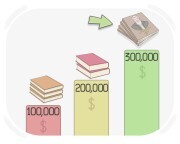
an item, especially a book, that is bought by a large number of people
bestseller
Estaba emocionado cuando su libro se convirtió en un bestseller en varios países.
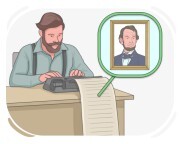
the story of someone's life that is written by another person
biografía
La biografía del famoso artista se convirtió en un bestseller de la noche a la mañana.
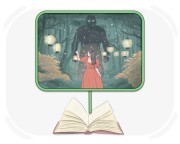
a type of folktale that typically features mythical creatures, magical events, and enchanted settings, often with a moral lesson or a happy ending
cuento de hadas
Los cuentos de hadas a menudo presentan criaturas míticas como hadas, brujas, dragones y animales parlantes.
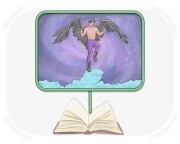
literature consisting of stories about imaginary people, events, or situations
ficción
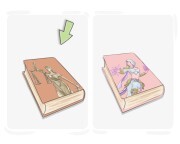
a type of literature about real people, or events, etc.
no ficción
Su último libro de no ficción explora la vida de un científico famoso.
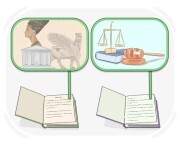
the part of a book or speech that provides a brief explanation of what it is about
introducción, prólogo
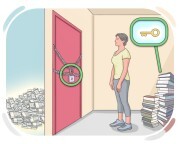
a figure of speech in which a word or expression is used to describe something by implying a comparison with something else
metáfora

a book, movie, or play about a puzzling event, often a crime, whose explanation is gradually revealed
novela de misterio, película de misterio
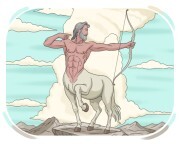
a traditional story about gods, heroes, or supernatural events, often explaining a culture's history, beliefs, or natural phenomena
mito
the events that are crucial to the formation and continuity of a story in a movie, play, novel, etc.
argumento, trama
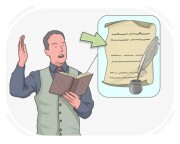
a written piece with particularly arranged words in a way that, usually rhyme, conveys a lot of emotion and style
poema
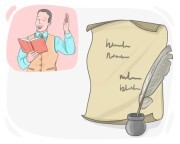
a literary form that uses concentrated, imaginative, or rhythmic language to express ideas, feelings, or experiences
poesía
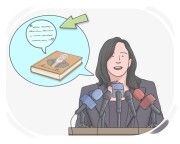
a sentence or group of words from a movie, book, etc. that someone else repeats
cita
A menudo usa una cita de su película favorita para inspirar a otros.
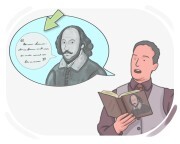
to say the exact sentence or group of words someone else used in a movie, book, etc.
citar
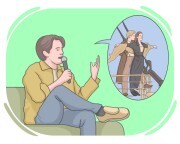
to share personal opinions about a book, movie, or media to inform and provide insights into its strengths and weaknesses
escribir críticas
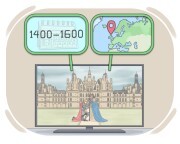
the time and place in which the story of a movie, play, etc. is taking place
escenario, ambientación, marco
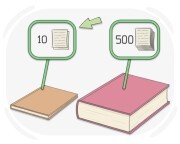
a complete story that is not long and can be read in a short time
cuento, relato corto
Su cuento corto ganó el primer lugar en el concurso de escritura.
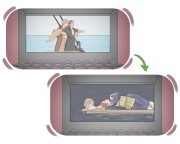
the plot of a movie, play, novel, etc.
argumento
Los críticos elogiaron el espectáculo por su trama compleja y atractiva.
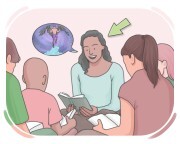
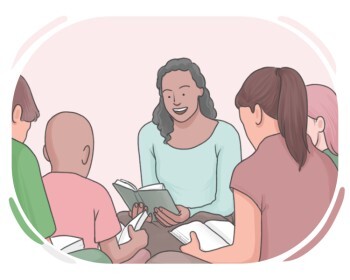
a true or imaginary story, particularly one that is full of exciting events
cuento, historia
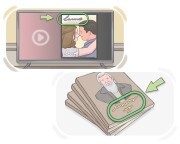
the name given to a movie, book, etc.
título
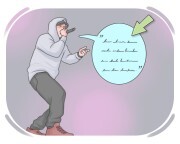
a poem or short piece of poetry
verso
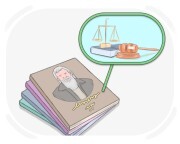
(plural) written works particularly those belonging to an author or covering a specific topic
escrito, obra
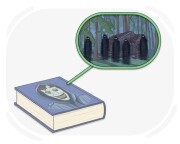
(of a novel, etc.) written or made in a spooky and mysterious way and often focus on creepy places like old castles or haunted houses, with themes of darkness and the supernatural
gótico
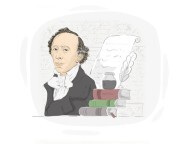
related to literature, especially in terms of its style, structure, or content
literario
La revista literaria publicó cuentos cortos, poesía y ensayos de escritores emergentes.
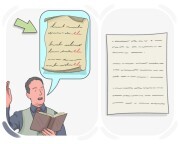
relating to poetry as a form of expression or literature
poético
La antología destaca las tradiciones poéticas a través de las culturas.
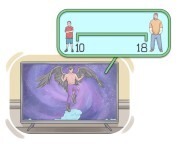
relating to movies or programs that are suitable or made for adolescents
para adultos jóvenes
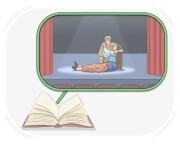
a written story that is meant to be performed on a stage, radio, or television
teatro
