pattern

Lista de Palabras Nivel B1 - Verbos Esenciales 3

Aquí aprenderás algunos verbos esenciales en inglés, como "result", "risk", "roll", etc. preparadas para estudiantes de B1.

Revisión

Tarjetas de memoria

formas

Ortografía

Cuestionario

Empezar a aprender
CEFR B1 Vocabulary
to request
to request
[Verbo]

to ask for something politely or formally

pedir, solicitar
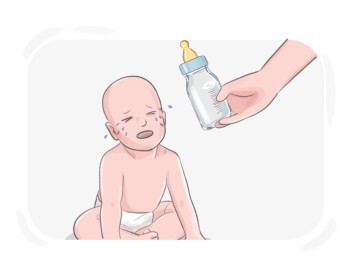
pedir, solicitar

Ex: Please request permission from the supervisor before making any changes to the schedule. 

Por favor, solicite permiso al supervisor antes de realizar cualquier cambio en el horario.

to require
to require
[Verbo]

to need or demand something as necessary for a particular purpose or situation

exigir, requerir
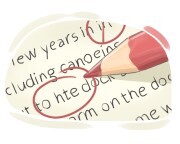
exigir, requerir

Ex: To operate the machinery safely, it will require proper training. 

Para operar la maquinaria de manera segura, requerirá una capacitación adecuada.

to revise
to revise
[Verbo]

to make changes to something, especially in response to new information, feedback, or a need for improvement

revisar

revisar

Ex: The author decided to revise the manuscript based on the editor's suggestions. 

El autor decidió revisar el manuscrito basándose en las sugerencias del editor.

to risk
to risk
[Verbo]

to put someone or something important in a situation where they could be harmed, lost, or destroyed

arriesgar, poner en peligro

arriesgar, poner en peligro

Ex: They are risking their reputation by not addressing customer complaints promptly. 

Están arriesgando su reputación al no abordar las quejas de los clientes con prontitud.

to roll
to roll
[Verbo]

to make something move by turning it over and over or from side to side repeatedly

hacer rodar

hacer rodar

Ex: He needed to roll the heavy barrel to the other side of the warehouse. 

Necesitaba rodar el pesado barril al otro lado del almacén.

to roll
to roll
[Verbo]

to move in a direction by turning over and over or from one side to another repeatedly

rodar
rodar

Ex: The tumbleweed continued to roll across the desert landscape. 

El tumbleweed continuó rodando por el paisaje desértico.

to scan
to scan
[Verbo]

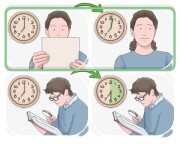
to quickly read a document or other text without paying attention to details, only to find the information one needs

echar un vistazo

echar un vistazo

Ex: The researcher is scanning the articles to gather relevant data. 

El investigador está escaneando los artículos para recopilar datos relevantes.

to separate

to divide or disconnect something from a larger whole

separar

separar

Ex: The team has separated the defective products from the rest of the inventory. 

El equipo ha separado los productos defectuosos del resto del inventario.

to set
to set
[Verbo]

to put something or someone somewhere or in a certain position

poner, colocar

poner, colocar

Ex: The vase of flowers was set by the window. 

El jarrón de flores fue colocado junto a la ventana.

to signal
to signal
[Verbo]

to give someone a message, instruction, etc. by making a sound or movement

hacer señas a, hacer una seña a
hacer señas a, hacer una seña a

Ex: The traffic officer signaled drivers to stop or proceed using hand signals. 

El agente de tráfico señaló a los conductores que se detuvieran o procedieran usando señales manuales.

to sink
to sink
[Verbo]

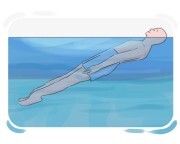
to go under below the surface of a particular substance such as water, sand, tar, mud, etc.

hundirse
hundirse

Ex: As the tide came in, the sandy beach gradually began to sink beneath the rising water level. 

A medida que subía la marea, la playa de arena comenzó gradualmente a hundirse bajo el nivel del agua que subía.

to sort
to sort
[Verbo]

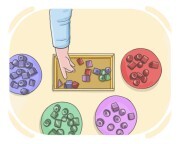
to organize items by putting them into different groups based on their characteristics or other criteria

clasificar, ordenar
clasificar, ordenar

Ex: Can you please sort the recycling into the appropriate bins? 

¿Puedes clasificar el reciclaje en los contenedores apropiados?

to snore
to snore
[Verbo]

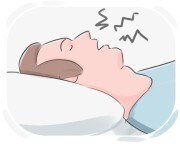
to breathe through one's nose and mouth in a noisy way while asleep

roncar

roncar

Ex: Grandpa tends to snore when he takes a nap in his favorite chair. 

El abuelo tiende a roncar cuando toma una siesta en su silla favorita.
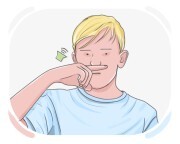
to sniff
to sniff
[Verbo]

to breathe in through the nose audibly to clear mucus or other substances from the nasal passages and prevent a runny nose

resoplar
resoplar

Ex: He sniffed repeatedly to keep his nose from running during allergy season. 

Él sorbió repetidamente para evitar que le goteara la nariz durante la temporada de alergias.

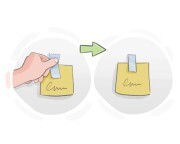
to stick
to stick
[Verbo]

to fix an object to another, usually with glue or another similar substance

pegar, adherir
pegar, adherir

Ex: He tried to stick the poster to the wall with tape. 

Intentó pegar el cartel en la pared con cinta.

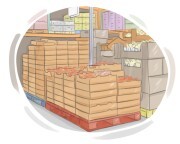
to store
to store
[Verbo]

to keep something in a particular place for later use, typically in a systematic or organized manner

guardar
guardar

Ex: He stored his important documents in a secure file cabinet for safekeeping. 

Él almacenó sus documentos importantes en un archivador seguro para su custodia.

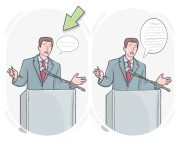
to summarize

to give a short and simplified version that covers the main points of something

resumir
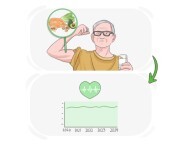
resumir

Ex: The presenter used bullet points to summarize the key points of the presentation for the audience. 

El presentador utilizó viñetas para resumir los puntos clave de la presentación para la audiencia.

to supply
to supply
[Verbo]

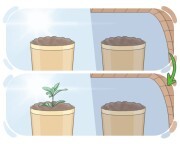
to provide or make available the necessary items, resources, or equipment for a particular purpose or function

suministrar, proveer
suministrar, proveer

Ex: The factory will supply the market with its new line of eco-friendly products. 

La fábrica suministrará el mercado con su nueva línea de productos ecológicos.

to survive
to survive
[Verbo]

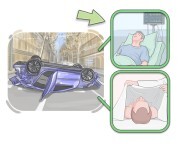
to remain alive after enduring a specific hazardous or critical event

sobrevivir
sobrevivir

Ex: The sailors were lost at sea for weeks but their resourcefulness helped them survive. 

Los marineros estuvieron perdidos en el mar durante semanas, pero su ingenio les ayudó a sobrevivir.

to switch
to switch
[Verbo]

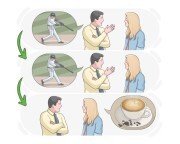
to change from one thing, such as a task, major, conversation topic, job, etc. to a completely different one

cambiar
cambiar

Ex: During the conversation, they decided to switch topics to something more lighthearted. 

Durante la conversación, decidieron cambiar de tema a algo más alegre.

to tend
to tend
[Verbo]

to be likely to develop or occur in a certain way because that is the usual pattern

tender a

tender a

Ex: Historical patterns suggest that economic downturns tend to lead to increased unemployment. 

Los patrones históricos sugieren que las recesiones económicas tienden a provocar un aumento del desempleo.

to translate

to change words into another language

traducir

traducir

Ex: As a professional translator, his job is to accurately translate legal documents from Japanese to English. 

Como traductor profesional, su trabajo es traducir con precisión documentos legales del japonés al inglés.

to upset
to upset
[Verbo]

to make a person unhappy or emotionally disturbed

molestar
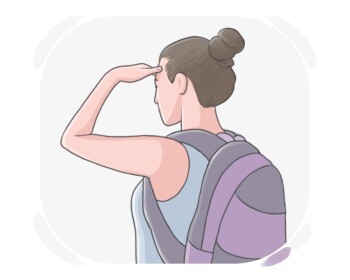
molestar

Ex: Don't tell him about the bad news now; it might upset him before his presentation. 

No le cuentes las malas noticias ahora; podría molestarle antes de su presentación.

to view
to view
[Verbo]

to carefully look at something

ver

ver

Ex: The scientist is viewing the microscopic cells under the microscope. 

El científico está observando las células microscópicas bajo el microscopio.

to yawn
to yawn
[Verbo]

to unexpectedly open one's mouth wide and deeply breathe in because of being bored or tired

bostezar

bostezar

Ex: The monotonous presentation made the audience yawn uncontrollably. 

La presentación monótona hizo que el público bostezara incontrolablemente.
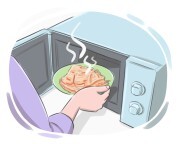
to warm
to warm
[Verbo]

to make someone or something hotter by increasing the temperature or providing heat

calentar
calentar

Ex: Over time, the sunlight has warmed the surface of the rocks. 

Con el tiempo, la luz del sol ha calentado la superficie de las rocas.

to warn
to warn
[Verbo]

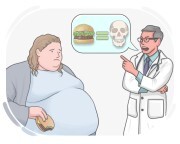
to tell someone in advance about a possible danger, problem, or unfavorable situation

advertir
advertir

Ex: The detective warned the witness about the possible threats to their safety. 

El detective advirtió al testigo sobre las posibles amenazas a su seguridad.

to waste
to waste
[Verbo]

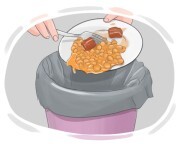
to use something without care or more than needed

malgastar
malgastar

Ex: Instead of recycling, he chose to waste paper by throwing it in the regular trash. 

En lugar de reciclar, eligió desperdiciar papel tirándolo a la basura normal.

to wave
to wave
[Verbo]

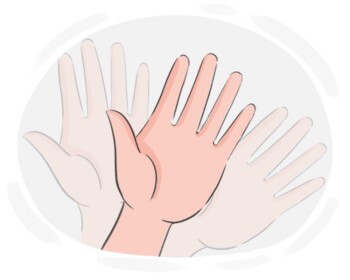
to raise one's hand and move it from side to side to greet someone or attract their attention

decir adiós con la mano, saludar con la mano

decir adiós con la mano, saludar con la mano

Ex: From the balcony, they waved to their friends waiting below. 

Desde el balcón, saludaron con la mano a sus amigos que esperaban abajo.

to wonder
to wonder
[Verbo]

to want to know about something particular

preguntarse
preguntarse

Ex: The detective couldn't help but wonder who the mysterious figure in the photograph could be. 

El detective no podía evitar preguntarse quién podría ser la figura misteriosa en la fotografía.

to pause
to pause
[Verbo]

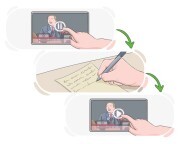
to briefly stop a particular thing such as process before carrying on

pausar, hacer una pausa
pausar, hacer una pausa

Ex: The teacher paused the lecture to answer a student's question. 

El profesor hizo una pausa en la clase para responder a la pregunta de un estudiante.

to raise
to raise
[Verbo]

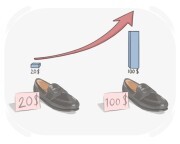
to make the intensity, level, or amount of something increase

aumentar
aumentar

Ex: The teacher raised the difficulty of the test unexpectedly. 

El profesor aumentó la dificultad del examen inesperadamente.

to return
to return
[Verbo]

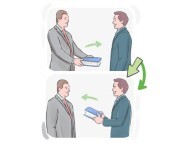
to send, give, or bring something back to someone or to a place

devolver
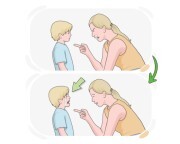
devolver

Ex: Don't forget to return the tools to the garage once you're done with the repairs. 

No olvides devolver las herramientas al garaje una vez que hayas terminado con las reparaciones.

to respond
to respond
[Verbo]

to do something or provide a reply based on what others have done or said

responder, reaccionar

responder, reaccionar

Ex: She responded to the invitation with enthusiasm, accepting the invitation to the party. 

Ella respondió a la invitación con entusiasmo, aceptando la invitación a la fiesta.

LanGeek
Descargar la aplicación LanGeek