B1 Level Wordlist - Common Verbs

Here you will learn some common English verbs, such as "require", "risk", "roll", etc. prepared for B1 learners.

review-disable

review

flashcard-disable

flashcard

spelling-disable

spelling

quiz-disable

quiz

start-learning
B1 Level Wordlist

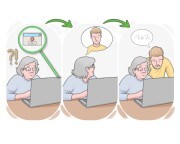
to ask for something politely or formally
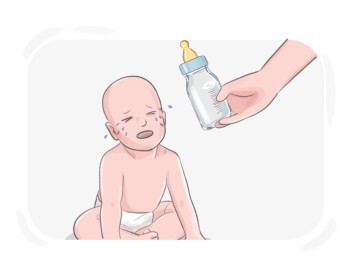
Ex: Please request permission from the supervisor before making any changes to the schedule .

to need or demand something as necessary for a particular purpose or situation
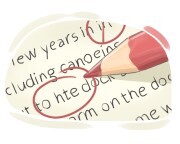
Ex: To operate the machinery safely , it will require proper training .

to make changes to something, especially in response to new information, feedback, or a need for improvement

Ex: The author decided to revise the manuscript based on the editor 's suggestions .
to risk [verb]

to put someone or something important in a situation where they could be harmed, lost, or destroyed
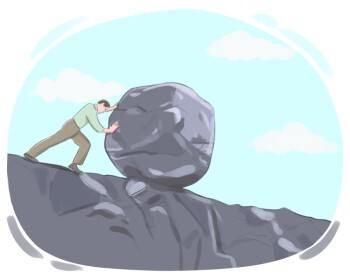
Ex: They are risking their reputation by not addressing customer complaints promptly .
to roll [verb]

to make something move by turning it over and over or from side to side repeatedly
Ex: He needed to roll the heavy barrel to the other side of the warehouse .
to roll [verb]

to move in a direction by turning over and over or from one side to another repeatedly
Ex: The tumbleweed continued to roll across the desert landscape .
to scan [verb]

to quickly read a document or other text without paying attention to details, only to find the information one needs

Ex: The researcher is scanning the articles to gather relevant data .

to divide or disconnect something from a larger whole
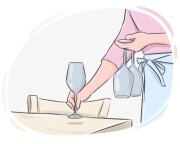
Ex: The team has separated the defective products from the rest of the inventory .
to set [verb]

to put something or someone somewhere or in a certain position

Ex: The vase of flowers was set by the window .

to give someone a message, instruction, etc. by making a sound or movement
Ex: The traffic officer signaled drivers to stop or proceed using hand signals .
to sink [verb]

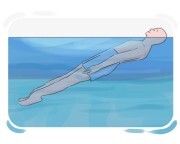
to go under below the surface of a particular substance such as water, sand, tar, mud, etc.
Ex: As the tide came in , the sandy beach gradually began to sink beneath the rising water level .
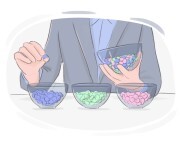
to sort [verb]

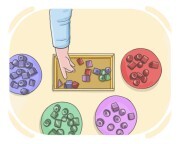
to organize items by putting them into different groups based on their characteristics or other criteria
Ex: Can you please sort the recycling into the appropriate bins ?
to snore [verb]

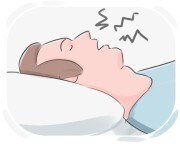
to breathe through one's nose and mouth in a noisy way while asleep
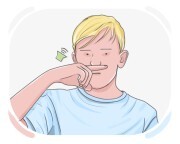
Ex: Grandpa tends to snore when he takes a nap in his favorite chair .
to sniff [verb]

to breathe in through the nose audibly to clear mucus or other substances from the nasal passages and prevent a runny nose
Ex: He sniffed repeatedly to keep his nose from running during allergy season .
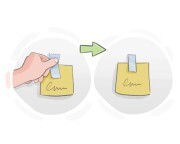
to stick [verb]

to fix an object to another, usually with glue or another similar substance
Ex: He tried to stick the poster to the wall with tape .
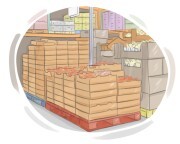
to store [verb]

to keep something in a particular place for later use, typically in a systematic or organized manner
Ex: He stored his important documents in a secure file cabinet for safekeeping .

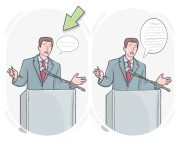
to give a short and simplified version that covers the main points of something
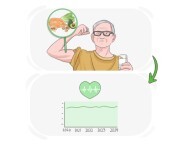
Ex: The presenter used bullet points to summarize the key points of the presentation for the audience .

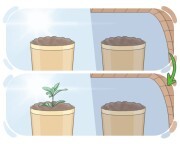
to provide or make available the necessary items, resources, or equipment for a particular purpose or function
Ex: The factory will supply the market with its new line of eco-friendly products .

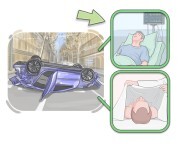
to remain alive after enduring a specific hazardous or critical event
Ex: The sailors were lost at sea for weeks but their resourcefulness helped them survive .

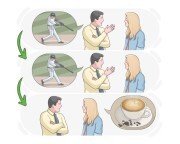
to change from one thing, such as a task, major, conversation topic, job, etc. to a completely different one
Ex: During the conversation , they decided to switch topics to something more lighthearted .
to tend [verb]

to be likely to develop or occur in a certain way because that is the usual pattern

Ex: Historical patterns suggest that economic downturns tend to lead to increased unemployment .

to change words into another language

Ex: As a professional translator , his job is to accurately translate legal documents from Japanese to English .
to upset [verb]

to make a person unhappy or emotionally disturbed
Ex: Do n't tell him about the bad news now ; it might upset him before his presentation .
to view [verb]

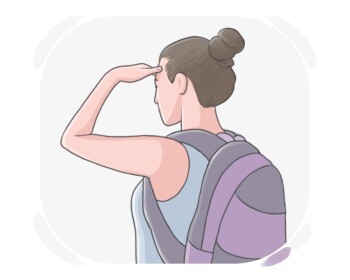
to carefully look at something

Ex: The scientist is viewing the microscopic cells under the microscope .
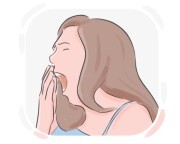
to yawn [verb]

to unexpectedly open one's mouth wide and deeply breathe in because of being bored or tired
Ex: The monotonous presentation made the audience yawn uncontrollably .
to warm [verb]

to make someone or something hotter by increasing the temperature or providing heat
Ex: Over time , the sunlight has warmed the surface of the rocks .
to warn [verb]

to tell someone in advance about a possible danger, problem, or unfavorable situation
Ex: The detective warned the witness about the possible threats to their safety .
to waste [verb]

to use something without care or more than needed
Ex:
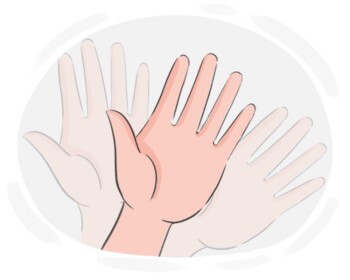
to wave [verb]

to raise one's hand and move it from side to side to greet someone or attract their attention
Ex: From the balcony , they waved to their friends waiting below .

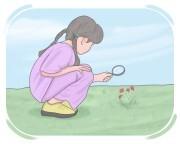
to want to know about something particular
Ex: The detective could n't help but wonder who the mysterious figure in the photograph could be .
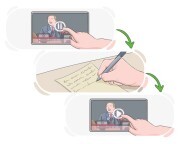
to pause [verb]

to briefly stop a particular thing such as process before carrying on
Ex: The teacher paused the lecture to answer a student 's question .
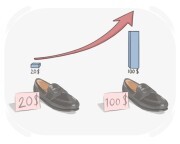
to raise [verb]

to make the intensity, level, or amount of something increase
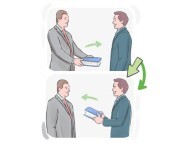
Ex: The teacher raised the difficulty of the test unexpectedly .

to send, give, or bring something back to someone or to a place
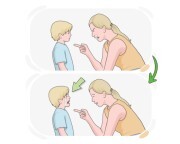
Ex: Do n't forget to return the tools to the garage once you 're done with the repairs .

to do something or provide a reply based on what others have done or said

Ex: She responded to the invitation with enthusiasm , accepting the invitation to the party .