pattern

Lista de Palabras Nivel B1 - Verbos Esenciales 2

Aquí aprenderás algunos verbos esenciales en inglés, como "face", "fold", "force", etc. preparadas para estudiantes de B1.

Revisión

Tarjetas de memoria

formas

Ortografía

Cuestionario

Empezar a aprender
CEFR B1 Vocabulary
to experience

to personally be involved in and understand a particular situation, event, etc.

experimentar
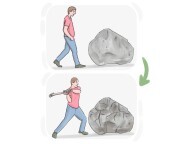
experimentar

Ex: Traveling to a new country allows you to experience different cultures. 
to face
to face
[Verbo]

to deal with a given situation, especially an unpleasant one

enfrentar,  hacer frente
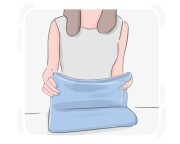
enfrentar, hacer frente

Ex: Employees often face challenges in adapting to new workplace policies. 
to fold
to fold
[Verbo]

to bend something in a way that one part of it touches or covers another

doblar, plegar

doblar, plegar

Ex: She carefully folded the letter before placing it in the envelope for mailing. 
to force
to force
[Verbo]

to make someone behave a certain way or do a particular action, even if they do not want to

forzar, obligar
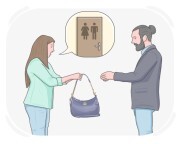
forzar, obligar

Ex: The authoritarian government often forces citizens to conform to its ideologies. 
to hand
to hand
[Verbo]

to physically take an object and give it to someone

pasar
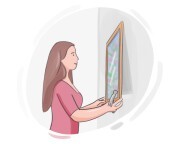
pasar

Ex: Can you hand me the document? 
to hang
to hang
[Verbo]

to attach something to a higher point so that it is supported from above and can swing freely

colgar
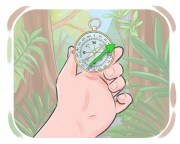
colgar

Ex: She decided to hang a picture of her family on the living room wall. 
to head
to head
[Verbo]

to move toward a particular direction

dirigirse
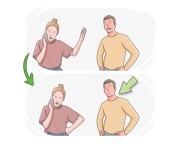
dirigirse

Ex: Every morning, the commuters head to the train station for their daily commute. 
to hold on
to hold on
[Verbo]

to tell someone to wait or pause what they are doing momentarily

esperar

esperar

Ex: The referee instructed the athletes to hold on while they reviewed the video replay. 
to hug
to hug
[Verbo]

to tightly and closely hold someone in one's arms, typically a person one loves

abrazarse

abrazarse

Ex: She rushed to hug her friend upon seeing her after a long time. 
to ignore
to ignore
[Verbo]

to intentionally pay no or little attention to someone or something

ignorar
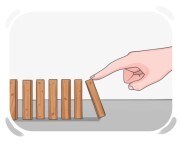
ignorar

Ex: Despite the repeated warnings, he chose to ignore the safety guidelines. 
to impact
to impact
[Verbo]

to have a strong effect on someone or something

teniendo un impacto
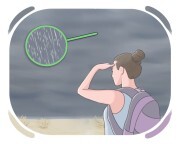
teniendo un impacto

Ex: The new environmental policies are expected to impact the way industries approach sustainability. 
to indicate

to show, point out, or suggest the existence, presence, or nature of something

indicar
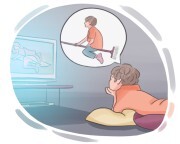
indicar

Ex: The thermometer indicates that the temperature is rising. 
to influence

to have an effect on a particular person or thing

influenciar, influir
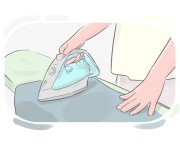
influenciar, influir

Ex: The mentor's guidance greatly influenced the professional development of the young entrepreneur. 
to iron
to iron
[Verbo]

to use a heated appliance to straighten and smooth wrinkles and creases from fabric

planchar
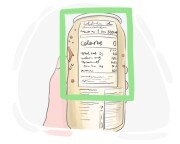
planchar

Ex: She irons her shirts before going to work to ensure they look neat and tidy. 
to label
to label
[Verbo]

to stick or put something such as tag or marker, with a little information written on it, on an object

etiquetar
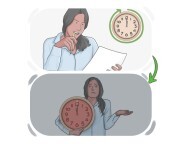
etiquetar

Ex: I will label the boxes with their contents for easy unpacking. 
to lack
to lack
[Verbo]

to be without or to not have enough of something that is needed or desirable

faltar
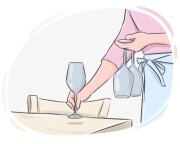
faltar

Ex: She failed to complete the project on time because she lacked the necessary resources. 
to lay
to lay
[Verbo]

to carefully place something or someone down in a horizontal position

poner, extender
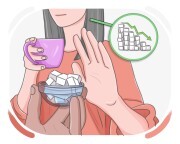
poner, extender

Ex: She decided to lay the fragile vase on the soft cushion to prevent it from breaking. 
to limit
to limit
[Verbo]

to not let something increase in amount or number

limitar

limitar

Ex: The company decided to limit the number of products each customer could purchase. 
to mess
to mess
[Verbo]

to make something dirty or some place untidy

desordenar

desordenar

Ex: Spilling food on the kitchen counter can mess the surface. 
to mix
to mix
[Verbo]

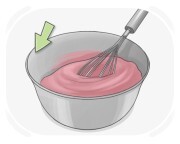
to combine two or more distinct substances or elements to form a unified whole

mezclar

mezclar

Ex: The chef carefully mixed the ingredients to create a flavorful sauce. 
to note
to note
[Verbo]

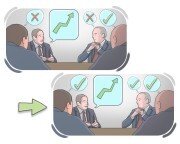
to observe and pay attention to something

notar
notar

Ex: As she walked through the garden, she noted the vibrant colors of the flowers. 
to occur
to occur
[Verbo]

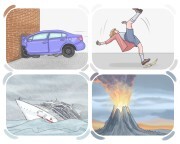
to come to be or take place, especially unexpectedly or naturally

ocurrir, suceder
ocurrir, suceder

Ex: Accidents occur unexpectedly, so it's crucial to drive safely. 
to persuade

to make a person do something through reasoning or other methods

convencer

convencer

Ex: The company used a compelling advertising campaign to persuade consumers to try their new product. 
to place
to place
[Verbo]

to lay or put something somewhere

poner, colocar
poner, colocar

Ex: She decided to place the vase of flowers on the dining table as a centerpiece. 
to poison
to poison
[Verbo]

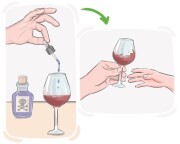
to give a substance containing toxins or harmful elements to a person or animal with the intention of causing illness, harm, or death

envenenar, intoxicar

envenenar, intoxicar

Ex: The assassin attempted to poison the target by lacing their drink. 
to pour
to pour
[Verbo]

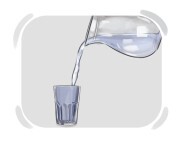
to make a container's liquid flow out of it

verter, echar
verter, echar

Ex: She poured milk into her cereal bowl for breakfast. 
to press
to press
[Verbo]

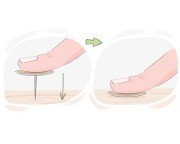
to push a thing tightly against something else

presionar

presionar

Ex: He pressed his foot on the accelerator to increase the speed of the car. 
to program
to program
[Verbo]

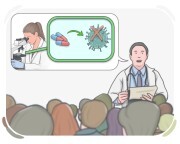
to make or arrange a plan for a series of events, activities, etc. for a specific purpose or audience

programar
programar

Ex: She programmed a week-long itinerary of sightseeing tours for her visiting relatives. 
to prove
to prove
[Verbo]

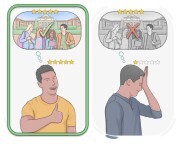
to show that something is true through the use of evidence or facts

probar
probar

Ex: He often proves his point through well-researched arguments. 
to qualify
to qualify
[Verbo]

to meet the needed requirements or conditions to be considered suitable for a particular role, status, benefit, etc.

tener derecho a

tener derecho a

Ex: She studied hard to qualify for the prestigious scholarship. 
to reflect
to reflect
[Verbo]

(of a surface) to redirect or bounce back heat, light, or sound without absorbing it

reflejar
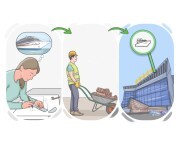
reflejar

Ex: The mirror reflected the sunlight, brightening up the room. 
to relate
to relate
[Verbo]

to make or show a logical connection between two things

relacionar
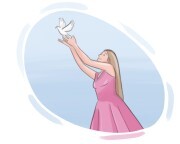
relacionar

Ex: The scientist was able to relate the observed patterns in the data to the underlying principles of the experiment. 
to release
to release
[Verbo]

to let go of something being held

soltar, liberar
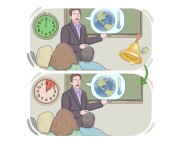
soltar, liberar

Ex: When she opened her hand, she released the balloon into the sky. 
to remain
to remain
[Verbo]

to stay in the place one has been for some time

permanecer
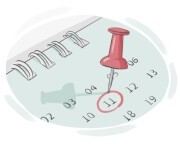
permanecer

Ex: After the meeting, she decided to remain in the conference room to review the documents. 
to remind
to remind
[Verbo]

to make a person remember an obligation, task, etc. so that they do not forget to do it

recordar

recordar

Ex: The manager regularly reminds employees of upcoming deadlines. 
to represent

to be an image, sign, symbol, etc. of something

representar, simbolizar
representar, simbolizar

Ex: The national flag represents the unity of the country. 
to freeze
to freeze
[Verbo]

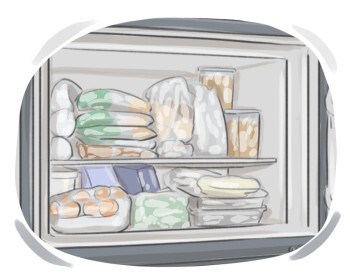
to become hard or turn to ice because of reaching or going below 0° Celsius

congelar

congelar

Ex: As the temperature dropped overnight, the water in the pond began to freeze. 
LanGeek
Descargar la aplicación LanGeek