
Cambridge IELTS 19 - Académico - Prueba 4 - Lectura - Pasaje 3 (3)
Aprende vocabulario de la tercera parte del Cambridge IELTS 19 Academic, Test 4 Reading Passage 3, con palabras y expresiones útiles del texto.
Revisión
Tarjetas de memoria
Ortografía
Cuestionario

the ability or freedom to make decisions and act independently

autonomía, independencia
at any time something happens
siempre que, cada vez que
La ciudad se ve más hermosa siempre que llueve.

(of a relationship, negotiation, etc.) to fail to function properly
terminar (sin éxito)
La confianza entre los dos amigos se rompió después de que uno de ellos traicionó una confidencia.
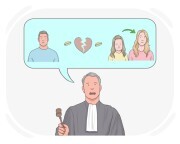
the legal right and responsibility to care for a child and make decisions concerning them
custodia, tenencia
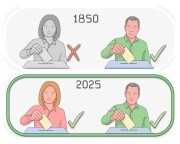
a thing that someone is legally, officially, or morally allowed to do or have
legítimo
used to express having power or influence in relation to something or someone
sobre, encima de

conforming to a standard or expected condition
normal
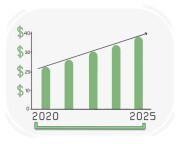
an increase in the amount, degree, importance, or size of something
crecimiento

the practice and study of growing crops and raising animals for food or other products
agricultura
fixed in a desired state or location, often implying a sense of permanence or stability
estable
Se mudaron varias veces antes de encontrar una comunidad donde se sintieron verdaderamente establecidos.
considering a particular fact or circumstance
en vista de, teniendo en cuenta
Hemos ajustado nuestros planes en vista de el pronóstico del tiempo.

to think that something is true without having proof or evidence
suponer, presumir
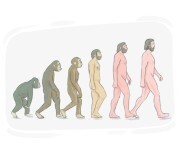
the process by which populations of living organisms change genetically across successive generations
evolución

in a way that shows concern only for oneself, often disregarding the needs or feelings of others
egoístamente
Ellos egoístamente ignoraron las peticiones de ayuda de sus vecinos.
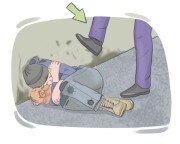
in a way that shows no pity, compassion, or mercy
despiadadamente, sin piedad
La empresa despiadadamente eliminó puestos de trabajo para ahorrar dinero.
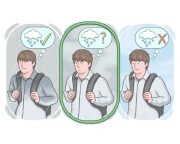
having a possibility of happening or being the case
probable

the act or process of working together for a shared purpose or benefit
cooperación, colaboración
the selfless concern for the well-being of others, often demonstrated through acts of kindness, compassion, and generosity
altruismo
Ceder el asiento en el transporte público a alguien que lo necesita más, como una persona mayor o una mujer embarazada, es un acto de altruismo.
the quality or state of being calm, quiet, and free from disturbance
tranquilidad, serenidad

a notable feature or quality that defines or describes something
característica, rasgo
used to say that the something is believed to be true based on available information or evidence
presumiblemente, es de suponer
La renuncia repentina del CEO está presumiblemente relacionada con los desafíos financieros de la empresa.
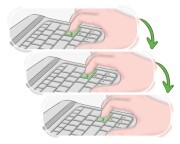
in a manner that occurs multiple times
repetidamente
La alarma sonó repetidamente.
the environment where a plant or animal species normally lives and grows, with the conditions that suit its needs
hábitat natural, medio natural
Estos pájaros deben ser observados en su hábitat natural, no en cautiverio.
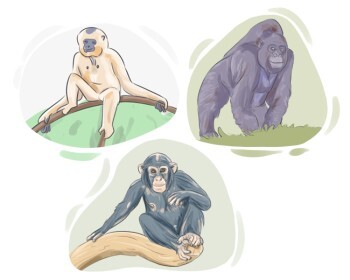
any mammalian animal that belongs to the same group as humans, such as monkeys, apes, lemurs, etc.
primate
a tailless animal similar to a monkey, such as chimpanzees and gorillas
simio

an African ape which has a large head and short neck that looks like a monkey with no tail
gorila
to cause disorder or disturbance in something that was previously orderly or calm
perturbar, interrumpir
Su repentino trastorno interrumpió la reunión y causó confusión.

to be likely to develop or occur in a certain way because that is the usual pattern
tender a
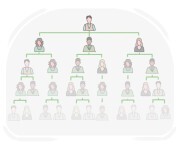
relating to a system that is organized based on social ranking or levels of authority
jerárquico
El estilo de gestión jerárquico de la empresa puede inhibir la innovación y la creatividad.
the arrival of a significant event, person, or thing that has been eagerly anticipated
Adviento
Con el advenimiento de los coches eléctricos, la industria automotriz está experimentando una gran transformación.
an overall, conscious recognition or understanding of a situation, feeling, or environment
sentido, sensación
the state of being distinct and unique, separate from others in characteristics or expression
individualidad
Su enfoque para resolver problemas destaca su individualidad y pensamiento independiente.
the quality of having an individual character unlike anything familiar
singularidad
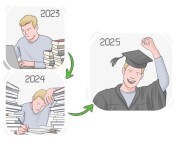
after doing or considering everything
finalmente, por último
El objetivo de la investigación era comprender las causas subyacentes y, en última instancia, encontrar soluciones efectivas.

a broader social or political system in which men hold primary power and women are largely excluded from leadership, decision-making, or influence
patriarcado
El patriarcado moldea las expectativas sociales de hombres y mujeres.
used to indicate that a statement explains or supports a previous statement
en todo caso, de cualquier manera
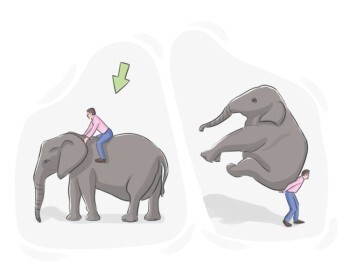
having the potential of being done successfully
factible
El ingeniero presentó una solución factible al problema, teniendo en cuenta las limitaciones técnicas y presupuestarias.
able to change effectively in response to new conditions or circumstances
adaptativo, adaptativa
a single word or group of words used to name or define something
término, palabra
quite likely to happen or be true
probablemente
| Cambridge IELTS 19 - Académico | |||
|---|---|---|---|
| Prueba 4 - Lectura - Pasaje 2 (2) | Prueba 4 - Lectura - Pasaje 2 (3) | Prueba 4 - Lectura - Pasaje 2 (4) | Prueba 4 - Lectura - Pasaje 3 (1) |
| Prueba 4 - Lectura - Pasaje 3 (2) | Prueba 4 - Lectura - Pasaje 3 (3) | Prueba 4 - Lectura - Pasaje 3 (4) | |
