Cambridge IELTS 19 - Academic - Test 4 - Reading - Passage 3 (3)

Here you can find the vocabulary from Test 4 - Reading - Passage 3 (3) in the Cambridge IELTS 19 - Academic coursebook, to help you prepare for your IELTS exam.

review-disable

review

flashcard-disable

flashcard

spelling-disable

spelling

quiz-disable

quiz

start-learning
Cambridge IELTS 19 - Academic
autonomy [noun]

the capacity to act independently and make decisions without undue influence

Ex: Teenagers often assert autonomy when making personal choices .

(of a relationship, negotiation, etc.) to fail to function properly
Ex: The trust between the two friends broke down after one of them betrayed a confidence .
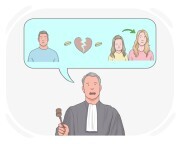
custody [noun]

the legal right or responsibility to care for and make decisions regarding a child, especially after a divorce or separation
Ex: He lost custody after failing to meet court requirements .
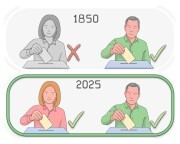
right [noun]

a thing that someone is legally, officially, or morally allowed to do or have

Ex: She fought for her right to receive equal pay for equal work .
over [preposition]

used to express having power or influence in relation to something or someone

Ex: The editor exercised power over the final content .
normal [adjective]

conforming to a standard or expected condition
Ex: Their family traditions are quite normal , with gatherings for holidays and birthdays .
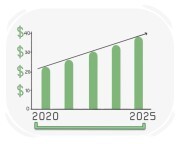
growth [noun]

an increase in the amount, degree, importance, or size of something
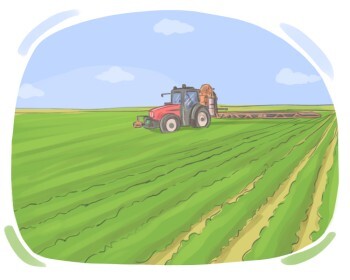
Ex: The company 's growth is expected to continue next quarter .
settled [adjective]

fixed in a desired state or location, often implying a sense of permanence or stability

Ex:
in view of [preposition]

considering a particular fact or circumstance
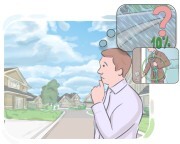
Ex: We have adjusted our plans in view of the weather forecast .

to think that something is true without having proof or evidence
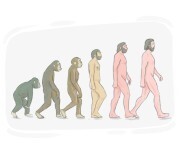
Ex: Yesterday , he mistakenly assumed that the meeting was canceled .

the power or influence that one has over other things or people

(biology) the slow and gradual development of living things throughout the history of the earth

Ex: The study of evolution helps scientists understand the diversity of life on Earth and how organisms are interconnected through common ancestry .
selfishly [adverb]

in a way that shows concern only for oneself, often disregarding the needs or feelings of others

Ex: They selfishly ignored the requests for help from their neighbors .
ruthlessly [adverb]

in a way that shows no pity, compassion, or mercy
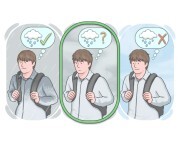
Ex: The company ruthlessly cut jobs to save money .
likely [adjective]

having a possibility of happening or being the case

Ex: Based on recent trends , it 's likely that the company will see an increase in profits next quarter .

the act of working together toward a common goal

Ex: The teacher praised the students for their cooperation during the group activity .
altruism [noun]

the selfless concern for the well-being of others, often demonstrated through acts of kindness, compassion, and generosity

Ex: Giving up one 's seat on public transportation for someone who needs it more , such as an elderly person or pregnant woman , is an act of altruism .

a notable feature or quality that defines or describes something

Ex: Patience is a characteristic that helps in dealing with difficult situations .
presumably [adverb]

used to say that the something is believed to be true based on available information or evidence
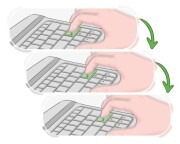
Ex: The CEO 's sudden resignation is presumably linked to the company 's financial challenges .
repeatedly [adverb]

in a manner that occurs multiple times

Ex: The alarm rang repeatedly .

the environment where a plant or animal species normally lives and grows, with the conditions that suit its needs
Ex: These birds should be observed in their natural habitat , not in captivity .
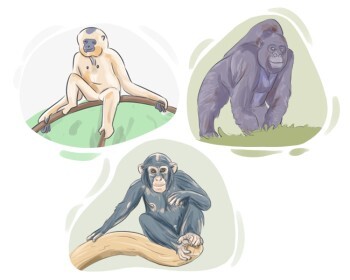
primate [noun]

any mammalian animal that belongs to the same group as humans, such as monkeys, apes, lemurs, etc.

ape [noun]

a tailless animal similar to a monkey, such as chimpanzees and gorillas

Ex: The documentary highlighted the intelligence and complex communication skills of apes .
gorilla [noun]

an African ape which has a large head and short neck that looks like a monkey with no tail

Ex: Visitors to the zoo watched in awe as the gorillas interacted with each other , playing and grooming in their lush enclosure .

to cause disorder or disturbance in something that was previously orderly or calm

Ex: His sudden outburst disrupted the meeting and caused confusion .
to tend [verb]

to be likely to develop or occur in a certain way because that is the usual pattern
Ex: Historical patterns suggest that economic downturns tend to lead to increased unemployment .
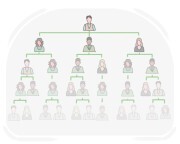
hierarchical [adjective]

relating to a system that is organized based on social ranking or levels of authority

Ex: The company 's hierarchical management style may inhibit innovation and creativity .
advent [noun]

the arrival of a significant event, person, or thing that has been eagerly anticipated

Ex: With the advent of electric cars , the automotive industry is undergoing a major transformation .
sense [noun]

an overall, conscious recognition or understanding of a situation, feeling, or environment

Ex: There was a sense of unease in the room as they awaited the verdict .

the state of being distinct and unique, separate from others in characteristics or expression

Ex: Her approach to solving problems highlights her individuality and independent thinking .

the quality of being not alike; being distinct or different from that otherwise experienced or known

ultimately [adverb]

after doing or considering everything

Ex: The goal of the research was to understand the underlying causes , and ultimately , to find effective solutions .

a broader social or political system in which men hold primary power and women are largely excluded from leadership, decision-making, or influence
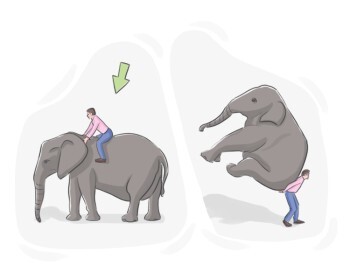
Ex: Patriarchy shapes societal expectations of men and women .
at any rate [adverb]

used to indicate that a statement explains or supports a previous statement

feasible [adjective]

having the potential of being done successfully

Ex: The engineer presented a feasible solution to the problem , taking into account technical constraints and budgetary limitations .
adaptive [adjective]

having a capacity for adaptation

term [noun]

a single word or group of words used to name or define something

Ex: This term is commonly used in computer science .
well [adverb]

quite likely to happen or be true

Ex: This strategy could well lead to success .
Cambridge IELTS 19 - Academic
Test 1 - Listening - Part 1 Test 1 - Listening - Part 2 Test 1 - Listening - Part 3 (1) Test 1 - Listening - Part 3 (2)
Test 1 - Listening - Part 4 (1) Test 1 - Listening - Part 4 (2) Test 1 - Reading - Passage 1 (1) Test 1 - Reading - Passage 1 (2)
Test 1 - Reading - Passage 2 (1) Test 1 - Reading - Passage 2 (2) Test 1 - Reading - Passage 2 (3) Test 1 - Reading - Passage 3 (1)
Test 1 - Reading - Passage 3 (2) Test 1 - Reading - Passage 3 (3) Test 2 - Listening - Part 1 Test 2 - Listening - Part 2 (1)
Test 2 - Listening - Part 2 (2) Test 2 - Listening - Part 3 (1) Test 2 - Listening - Part 3 (2) Test 2 - Listening - Part 4 (1)
Test 2 - Listening - Part 4 (2) Test 2 - Reading - Passage 1 (1) Test 2 - Reading - Passage 1 (2) Test 2 - Reading - Passage 1 (3)
Test 2 - Reading - Passage 2 (1) Test 2 - Reading - Passage 2 (2) Test 2 - Reading - Passage 2 (3) Test 2 - Reading - Passage 3 (1)
Test 2 - Reading - Passage 3 (2) Test 2 - Reading - Passage 3 (3) Test 3 - Listening - Part 1 Test 3 - Listening - Part 2 (1)
Test 3 - Listening - Part 2 (2) Test 3 - Listening - Part 3 (1) Test 3 - Listening - Part 3 (2) Test 3 - Listening - Part 4 (1)
Test 3 - Listening - Part 4 (2) Test 3 - Reading - Passage 1 (1) Test 3 - Reading - Passage 1 (2) Test 3 - Reading - Passage 1 (3)
Test 3 - Reading - Passage 2 (1) Test 3 - Reading - Passage 2 (2) Test 3 - Reading - Passage 2 (3) Test 3 - Reading - Passage 3 (1)
Test 3 - Reading - Passage 3 (2) Test 3 - Reading - Passage 3 (3) Test 3 - Reading - Passage 3 (4) Test 4 - Listening - Part 1 (1)
Test 4 - Listening - Part 1 (2) Test 4 - Listening - Part 2 (1) Test 4 - Listening - Part 2 (2) Test 4 - Listening - Part 3 (1)
Test 4 - Listening - Part 3 (2) Test 4 - Listening - Part 4 (1) Test 4 - Listening - Part 4 (2) Test 4 - Listening - Part 4 (3)
Test 4 - Reading - Passage 1 (1) Test 4 - Reading - Passage 1 (2) Test 4 - Reading - Passage 1 (3) Test 4 - Reading - Passage 2 (1)
Test 4 - Reading - Passage 2 (2) Test 4 - Reading - Passage 2 (3) Test 4 - Reading - Passage 2 (4) Test 4 - Reading - Passage 3 (1)
Test 4 - Reading - Passage 3 (2) Test 4 - Reading - Passage 3 (3) Test 4 - Reading - Passage 3 (4)