pattern

Cambridge IELTS 17 - Académico - Prueba 2 - Audición - Parte 4

Aquí puedes encontrar el vocabulario del Test 2 - Audición - Parte 4 del libro de curso Cambridge IELTS 17 - Academic, para ayudarte a preparar tu examen IELTS.

Revisión

Tarjetas de memoria

formas

Ortografía

Cuestionario
Empezar a aprender
Cambridge IELTS 17 - Academic
session
session
[Sustantivo]

a scheduled period of teaching, instruction, or learning activities conducted within a defined timeframe

sesión, clase

sesión, clase

Ex: Students actively participated in discussions and group activities throughout the session. 

Los estudiantes participaron activamente en discusiones y actividades grupales durante toda la sesión.

decline
decline
[Sustantivo]

a change toward a smaller, lower, or reduced state

reducción, disminución

reducción, disminución

Ex: The town experienced a decline in population over several years. 

El pueblo experimentó un descenso de población a lo largo de varios años.

to affect
to affect
[Verbo]

to cause a change in a person, thing, etc.

afectar

afectar

Ex: The economic downturn is expected to affect businesses across various sectors. 

Se espera que la desaceleración económica afecte a las empresas de diversos sectores.

in particular
in particular
[Adverbio]

used to specify or emphasize a particular aspect or detail within a broader context

en particular, especialmente

en particular, especialmente

Ex: The book covers various topics, but the chapter on sustainability in particular is thought-provoking. 

El libro cubre varios temas, pero el capítulo sobre sostenibilidad en particular es estimulante.
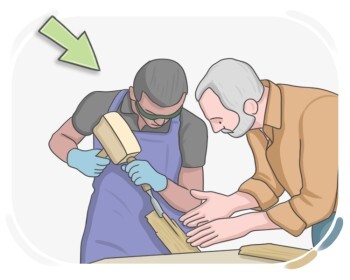
to illustrate

to explain or show the meaning of something using examples, pictures, etc.

explicar

explicar

Ex: He illustrated the process by showing step-by-step pictures in the manual. 

Él ilustró el proceso mostrando imágenes paso a paso en el manual.

to tend
to tend
[Verbo]

to be likely to develop or occur in a certain way because that is the usual pattern

tender a

tender a

Ex: Historical patterns suggest that economic downturns tend to lead to increased unemployment. 

Los patrones históricos sugieren que las recesiones económicas tienden a provocar un aumento del desempleo.

to borrow
to borrow
[Verbo]

to take or adopt external elements into one's own expression or creation

tomar prestado, inspirarse en
tomar prestado, inspirarse en

Ex: The artist borrowed techniques from Renaissance painters to create his own style. 

El artista tomó prestadas técnicas de los pintores del Renacimiento para crear su propio estilo.

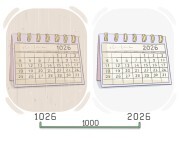
millennium
millennium
[Sustantivo]

a period of one thousand years, usually calculated from the year of the birth of Jesus Christ

milenio

milenio

Ex: The medieval cathedral took nearly a millennium to complete, showcasing exquisite craftsmanship. 

La catedral medieval tardó casi un milenio en completarse, mostrando una artesanía exquisita.

to browse
to browse
[Verbo]

to check a web page, text, etc. without reading all the content

echar una ojeada

echar una ojeada

Ex: She likes to browse online stores for hours, searching for the perfect gifts. 

A ella le gusta navegar por las tiendas en línea durante horas, buscando los regalos perfectos.

a great deal

to a large extent

Ex: I learned a great deal during my internship. 
predominantly
predominantly
[Adverbio]

in a manner that consists mostly of a specific kind, quality, etc.

predominantemente, en su mayoría

predominantemente, en su mayoría

Ex: The forest ecosystem is predominantly composed of coniferous trees. 

El ecosistema forestal está predominantemente compuesto por árboles coníferos.
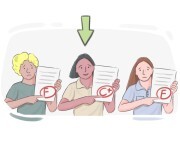
comparatively
comparatively
[Adverbio]

to a certain degree or extent in comparison to something else

comparativamente, relativamente

comparativamente, relativamente

Ex: The region remains comparatively peaceful despite the surrounding conflict. 

La región sigue siendo comparativamente pacífica a pesar del conflicto circundante.

respect
respect
[Sustantivo]

a particular detail, feature, or aspect of something

aspecto, detalle

aspecto, detalle

Ex: In some respects, the new plan is better than the old one. 

En algunos aspectos, el nuevo plan es mejor que el antiguo.

to promote
to promote
[Verbo]

to help or support the progress or development of something

apoyer

apoyer

Ex: The government launched a campaign to promote environmental conservation and sustainability. 

El gobierno lanzó una campaña para promover la conservación del medio ambiente y la sostenibilidad.

bilingual
bilingual
[Adjetivo]

able to speak, understand, or use two languages fluently

bilingüe

bilingüe

Ex: The company prefers to hire bilingual employees to cater to a diverse customer base. 

La empresa prefiere contratar empleados bilingües para atender a una base de clientes diversa.

extent
extent
[Sustantivo]

the point or degree to which something extends

extensión, grado

extensión, grado

influence
influence
[Sustantivo]

the impact one thing or person has on another

influencia, impacto

influencia, impacto

Ex: The influence of her leadership was felt throughout the company. 

La influencia de su liderazgo se sintió en toda la empresa.

staggering
staggering
[Adjetivo]

so large or impressive that it is difficult to comprehend or believe

asombroso, pasmoso

asombroso, pasmoso

Ex: The damage caused by the storm was staggering, leaving many homes destroyed. 

Los daños causados por la tormenta fueron asombrosos, dejando muchas casas destruidas.

troubling
troubling
[Adjetivo]

making one feel worried, upset, or uneasy about something

preocupante, inquietante

preocupante, inquietante

Ex: The troubling lack of progress in the investigation left the family frustrated and anxious. 

La preocupante falta de progreso en la investigación dejó a la familia frustrada y ansiosa.

to conduct
to conduct
[Verbo]

to direct or participate in the management, organization, or execution of something

llevar
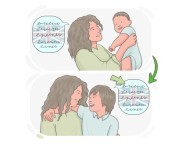
llevar

Ex: As the event coordinator, she will conduct the planning and execution of the conference. 

Como coordinadora del evento, ella dirigirá la planificación y ejecución de la conferencia.

mother tongue
mother tongue
[Sustantivo]

the first language that a baby acquires naturally

lengua materna

lengua materna

willing
willing
[Adjetivo]

interested or ready to do something

dispuesto
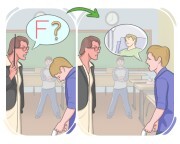
dispuesto

Ex: The volunteers were willing to donate their time to help those in need. 

Los voluntarios estaban dispuestos a donar su tiempo para ayudar a los necesitados.

to justify
to justify
[Verbo]

to provide a valid reason or explanation for an action, decision, or belief, usually something that others consider wrong

justificar

justificar

Ex: The company had to justify its decision to lay off employees by explaining the financial challenges it was facing. 

La empresa tuvo que justificar su decisión de despedir empleados explicando los desafíos financieros que enfrentaba.

expense
expense
[Sustantivo]

the amount of money spent to do or have something

gasto

gasto

Ex: Rent and utilities are among the most common monthly expenses for homeowners and renters alike. 

El alquiler y los servicios públicos se encuentran entre los gastos mensuales más comunes tanto para propietarios como para inquilinos.

drawback
drawback
[Sustantivo]

a disadvantage or the feature of a situation that makes it unacceptable

inconveniente

inconveniente

Ex: While the plan has many benefits, the drawback is its high cost. 

Si bien el plan tiene muchos beneficios, el inconveniente es su alto costo.

giant
giant
[Sustantivo]

a business or organization that is exceptionally large and influential in its field

gigante, empresa gigante
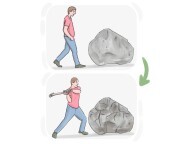
gigante, empresa gigante

Ex: The energy giant has a significant impact on global oil prices. 

El gigante energético tiene un impacto significativo en los precios globales del petróleo.

to tackle
to tackle
[Verbo]

to try to deal with a difficult problem or situation in a determined manner

abordar, confrontar

abordar, confrontar

Ex: Teachers collaborate to find effective strategies to tackle students' learning challenges. 

Los profesores colaboran para encontrar estrategias efectivas para abordar los desafíos de aprendizaje de los estudiantes.

sum
sum
[Sustantivo]

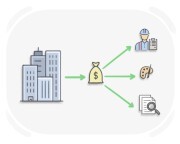
a total of money, typically owed in a financial transaction

suma
suma

Ex: He withdrew a large sum from his savings account to purchase a car. 

Retiró una gran suma de su cuenta de ahorros para comprar un coche.

to allocate

to distribute or assign resources, funds, or tasks for a particular purpose

asignar

asignar

Ex: The nonprofit organization plans to allocate volunteers strategically for community outreach. 

La organización sin fines de lucro planea asignar voluntarios estratégicamente para la divulgación comunitaria.

fund
fund
[Sustantivo]

a sum of money that is collected and saved for a particular purpose

fondo

fondo

Ex: He contributed to a scholarship fund. 

Contribuyó a un fondo de becas.

to source
to source
[Verbo]

to obtain or procure a product, material, or service from a particular supplier, location, or country

conseguir

conseguir

Ex: The chef sourced fresh fish from the harbor. 

El chef se abasteció de pescado fresco en el puerto.

uphill
uphill
[Adjetivo]

challenging situation that requires considerable effort

arduo, difícil

arduo, difícil

Ex: Overcoming her fear of public speaking was an uphill challenge, but she gradually gained confidence through practice. 

Superar su miedo a hablar en público fue un desafío cuesta arriba, pero poco a poco ganó confianza a través de la práctica.

struggle
struggle
[Sustantivo]

a strenuous effort, especially involving difficulty or exertion

lucha, esfuerzo

lucha, esfuerzo

Ex: She went through a struggle to recover her health. 

Ella pasó por una lucha para recuperar su salud.

sound
sound
[Adjetivo]

being in good condition and without any damage or flaws

en buen estado, sólido

en buen estado, sólido

Ex: The foundation of the house is sound and firm. 

Los cimientos de la casa están sólidos y firmes.

doubt
doubt
[Sustantivo]

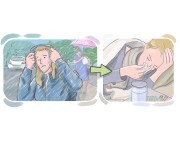
a feeling of disbelief or uncertainty about something

duda
duda

Ex: Despite his assurances, doubt lingered in the back of her thoughts. 

A pesar de sus garantías, la duda persistía en el fondo de sus pensamientos.

inevitable
inevitable
[Adjetivo]

unable to be prevented

inevitable

inevitable

Ex: Given the current trajectory of climate change, it's inevitable that sea levels will continue to rise. 

Dada la trayectoria actual del cambio climático, es inevitable que el nivel del mar continúe aumentando.

to [raise] a question

to bring up a topic or issue for discussion or consideration

Ex: The report raises a question about the accuracy of the financial statements. 
identity
identity
[Sustantivo]

the unique personality that persists within an individual

identidad, personalidad

identidad, personalidad

Ex: The thief used a stolen identity to access the bank account. 

El ladrón usó una identidad robada para acceder a la cuenta bancaria.

to concern
to concern
[Verbo]

to cause someone to worry

preocupar

preocupar

Ex: The news of the upcoming layoffs concerned the employees, who were uncertain about their future. 

La noticia de los próximos despidos preocupó a los empleados, que estaban inseguros sobre su futuro.

fluent
fluent
[Adjetivo]

able to speak or write clearly and effortlessly

fluido, elocuente

fluido, elocuente

Ex: He became fluent in discussing scientific topics over time. 

Se volvió fluido al discutir temas científicos con el tiempo.

to express
to express
[Verbo]

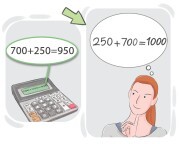
to show or make a thought, feeling, etc. known by looks, words, or actions

expresar
expresar

Ex: Last night, they expressed their joy with cheers and applause. 

Anoche, expresaron su alegría con vítores y aplausos.

approximately
approximately
[Adverbio]

used to say that something such as a number or amount is not exact

aproximadamente, más o menos

aproximadamente, más o menos

Ex: The meeting is scheduled to start at 3 PM, give or take approximately 15 minutes. 

La reunión está programada para comenzar a las 3 PM, aproximadamente 15 minutos más o menos.

based
based
[Adjetivo]

having a base

basado, fundado

basado, fundado

content
content
[Sustantivo]

(usually plural) the things that are held, included, or contained within something

contenido

contenido

Ex: The box's contents were carefully wrapped in protective foam. 

El contenido de la caja estaba cuidadosamente envuelto en espuma protectora.

nation-state
nation-state
[Sustantivo]

a country with clear borders where most people share the same culture, language, or history, and it governs itself independently

Estado-nación, nación-Estado

Estado-nación, nación-Estado

Ex: Many modern conflicts are linked to the desire to create a nation-state. 

Muchos conflictos modernos están vinculados al deseo de crear un Estado-nación.

to tie up
to tie up
[Verbo]

to connect or link something to another thing, often making them depend on or relate to each other in some way

atar, vincular

atar, vincular

Ex: The manager tied the team's goals up with the company's mission. 

El gerente vinculó los objetivos del equipo con la misión de la empresa.

LanGeek
Descargar la aplicación LanGeek