pattern

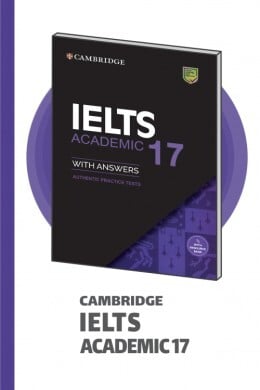
Cambridge IELTS 17 - Academic - Test 2 - Listening - Part 4

Here you can find the vocabulary from Test 2 - Listening - Part 4 in the Cambridge IELTS 17 - Academic coursebook, to help you prepare for your IELTS exam.

Review

Flashcards

Forms

Spelling

Quiz
Start learning
Cambridge IELTS 17 - Academic
session
session
[noun]

a scheduled period of teaching, instruction, or learning activities conducted within a defined timeframe

Ex: The morning session consisted of three classes, including mathematics, science, and English. 
Close
Sign in
decline
decline
[noun]

a change toward a smaller, lower, or reduced state
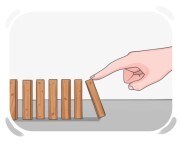
Ex: The company reported a decline in sales this quarter. 
Close
Sign in
to affect
to affect
[Verb]

to cause a change in a person, thing, etc.

Ex: The sudden loss of her job profoundly affected her emotional well-being. 
Close
Sign in
in particular

used to specify or emphasize a particular aspect or detail within a broader context
Ex: The study found several benefits of the new technology, in particular, its impact on productivity and cost savings. 
Close
Sign in
to illustrate

to explain or show the meaning of something using examples, pictures, etc.

Ex: The teacher illustrated the concept with a simple diagram on the board. 
Close
Sign in
to tend
to tend
[Verb]

to be likely to develop or occur in a certain way because that is the usual pattern

Ex: Some plants tend to thrive in direct sunlight, while others prefer shade. 
Close
Sign in
to borrow
to borrow
[Verb]

to take or adopt external elements into one's own expression or creation
Ex: Shakespeare borrowed many plot elements from existing stories for his plays. 
Close
Sign in
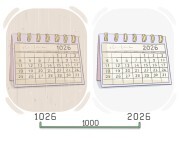
millennium

a period of one thousand years, usually calculated from the year of the birth of Jesus Christ

Ex: Historians study events that occurred during the first millennium AD to understand ancient civilizations. 
Close
Sign in
to browse
to browse
[Verb]

to check a web page, text, etc. without reading all the content

Ex: He browsed online forums to read reviews and opinions about the latest video games. 
Close
Sign in
a great deal
a great deal
[phrase]

to a large extent

Ex: She cares for him a great deal, which is why she's always there when he needs her. 
Close
Sign in
predominantly

in a manner that consists mostly of a specific kind, quality, etc.
Ex: The region is predominantly agricultural, with vast expanses of farmland. 
Close
Sign in
comparatively

to a certain degree or extent in comparison to something else

Ex: The test was comparatively easy compared to last year's exam. 
Close
Sign in
respect
respect
[noun]

a particular detail, feature, or aspect of something
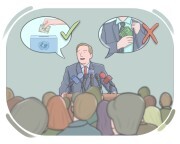
Ex: The two projects are similar in many respects. 
Close
Sign in
to promote

to help or support the progress or development of something

Ex: The manager worked to promote teamwork and collaboration within the team. 
Close
Sign in
bilingual
bilingual
[Adjective]

able to speak, understand, or use two languages fluently

Ex: Growing up in a bilingual household, she effortlessly switched between English and Spanish. 
Close
Sign in
extent
extent
[noun]

the point or degree to which something extends

Close
Sign in
influence
influence
[noun]

the impact one thing or person has on another

Ex: The influence of pollution on the environment is alarming. 
Close
Sign in
staggering
staggering
[Adjective]

so large or impressive that it is difficult to comprehend or believe

Ex: The amount of work required for the project was staggering, but they managed it. 
Close
Sign in
troubling
troubling
[Adjective]

making one feel worried, upset, or uneasy about something

Ex: The troubling news of the increase in crime rates alarmed the community. 
Close
Sign in
to conduct

to direct or participate in the management, organization, or execution of something
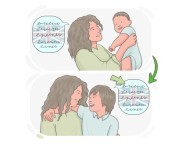
Ex: The experienced project manager will conduct the team in implementing the new software. 
Close
Sign in
mother tongue

the first language that a baby acquires naturally

Close
Sign in
willing
willing
[Adjective]

interested or ready to do something

Ex: She was willing to lend a helping hand whenever her friends needed it. 
Close
Sign in
to justify

to provide a valid reason or explanation for an action, decision, or belief, usually something that others consider wrong

Ex: She had to justify her choice to pursue a career in the arts to her parents, emphasizing her passion and long-term goals. 
Close
Sign in
expense
expense
[noun]

the amount of money spent to do or have something

Ex: Keeping track of your monthly expenses can help you create a realistic budget. 
Close
Sign in
drawback
drawback
[noun]

a disadvantage or the feature of a situation that makes it unacceptable

Ex: The main drawback of working from home is the lack of social interaction. 
Close
Sign in
giant
giant
[noun]

a business or organization that is exceptionally large and influential in its field
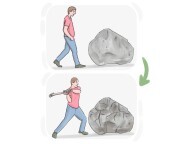
Ex: The tech giant announced its new innovative product line at the annual conference. 
Close
Sign in
to tackle
to tackle
[Verb]

to try to deal with a difficult problem or situation in a determined manner

Ex: The team decided to tackle the project's complexity by breaking it into manageable tasks. 
Close
Sign in
sum
sum
[noun]

a total of money, typically owed in a financial transaction
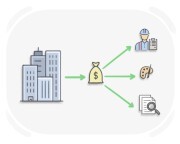
Ex: The sum owed on the invoice amounted to $500. 
Close
Sign in
to allocate

to distribute or assign resources, funds, or tasks for a particular purpose

Ex: The manager decided to allocate more budget to marketing for increased brand visibility. 
Close
Sign in
fund
fund
[noun]

a sum of money that is collected and saved for a particular purpose

Ex: The school created a fund for new books. 
Close
Sign in
to source
to source
[Verb]

to obtain or procure a product, material, or service from a particular supplier, location, or country

Ex: The company sourced raw materials from overseas. 
Close
Sign in
uphill
uphill
[Adjective]

challenging situation that requires considerable effort

Ex: The project faced an uphill battle from the start, with tight deadlines and limited resources. 
Close
Sign in
struggle
struggle
[noun]

a strenuous effort, especially involving difficulty or exertion

Ex: He made a struggle to lift the heavy box. 
Close
Sign in
sound
sound
[Adjective]

being in good condition and without any damage or flaws

Ex: The mechanic inspected the car and confirmed that it was sound and ready for the road. 
Close
Sign in
doubt
doubt
[noun]

a feeling of disbelief or uncertainty about something
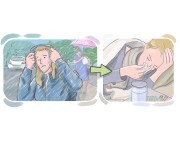
Ex: Doubt crept into her mind as she pondered the possibility of failure. 
Close
Sign in
inevitable
inevitable
[Adjective]

unable to be prevented

Ex: As technology advances, it becomes increasingly inevitable that automation will replace certain jobs. 
Close
Sign in
to [raise] a question

to bring up a topic or issue for discussion or consideration

Ex: The discovery of the new evidence raised a question about the defendant's innocence. 
Close
Sign in
identity
identity
[noun]

the unique personality that persists within an individual
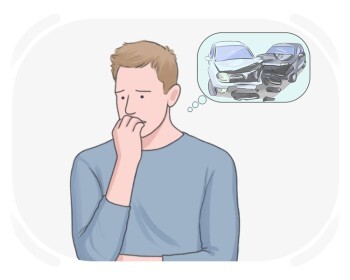
Ex: The book explores the theme of identity in a rapidly changing world. 
Close
Sign in
to concern

to cause someone to worry

Ex: The decline in his health concerned his family, prompting them to seek medical advice. 
Close
Sign in
fluent
fluent
[Adjective]

able to speak or write clearly and effortlessly

Ex: She gave a fluent explanation of the new policy. 
Close
Sign in
to express

to show or make a thought, feeling, etc. known by looks, words, or actions
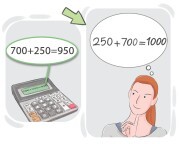
Ex: The artist expresses emotions through vibrant colors in her paintings. 
Close
Sign in
approximately

used to say that something such as a number or amount is not exact
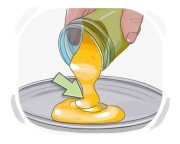
Ex: The journey will take approximately two hours, depending on traffic. 
Close
Sign in
based
based
[Adjective]

having a base

Close
Sign in
content
content
[noun]

(usually plural) the things that are held, included, or contained within something

Ex: She emptied the contents of her bag onto the table. 
Close
Sign in
nation-state

a country with clear borders where most people share the same culture, language, or history, and it governs itself independently

Ex: Japan is often seen as a strong example of a nation-state. 
Close
Sign in
to tie up
to tie up
[Verb]

to connect or link something to another thing, often making them depend on or relate to each other in some way

Ex: Much of his money is tied up in property. 
Close
Sign in
LanGeek
Download LanGeek app