
Vocabulaire Avancé pour le GRE - Caractéristiques et Disposition
Ici, vous apprendrez quelques mots anglais sur les caractéristiques et la disposition, tels que "triste", "existant", "naïf", etc., qui sont nécessaires pour l'examen GRE.
Réviser
Flashcards
formes
Orthographe
Quiz


behaving in a mean and disrespectful manner with no concern for others

agressif, agressive, corrosif, corrosive
Elle a trouvé son comportement abrasif difficile à supporter au travail.
having more than one possible meaning or interpretation
ambigu
La phrase "Je l'ai vue canard" est ambiguë car elle pourrait signifier voir un oiseau ou regarder quelqu'un baisser la tête.

taking risks that are bold and shocking
audacieux, téméraire
L'explorateur audacieux s'est lancé dans un voyage périlleux pour atteindre le sommet du plus haut sommet du monde, repoussant les limites de l'endurance humaine.
having an inclusive nature, characterized by openness and acceptance toward different viewpoints or aspects of human experience
catholique
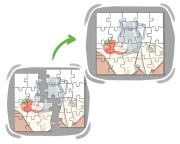
useful to each other or enhancing each other's qualities when brought together
complémentaire
Ses compétences en marketing et son expertise en finance sont complémentaires, ce qui en fait une équipe solide.
believing things easily even without much evidence that leads to being easy to deceive
crédule
Les célébrités profitent souvent de leurs fans crédule, leur vendant des produits douteux.
showing a polite, dignified, and appropriate manner of behaving
convenable, bienséant
Le politicien a maintenu une attitude décorative pendant le débat houleux.
filled with grief and sorrow
malheureux
Nous avons répandu des roses sur la tombe, inclinant la tête dans un silence douloureux pour honorer la mémoire de notre camarade tombé.

slightly strange in behavior, appearance, or ideas
excentrique
L'artiste était connu pour son approche excentrique de la peinture.
having a position or quality that is noticeably great and respected
élevé, haut
L'éminent avocat était très recherché pour son expertise en droit constitutionnel.
deserving of admiration or approval
estimable
Elle a donné un exemple estimable à suivre pour les autres et est à juste titre louée pour son leadership.
existing despite being extremely old
encore existant, toujours existant
Les lettres existantes fournissent un aperçu précieux des événements historiques.
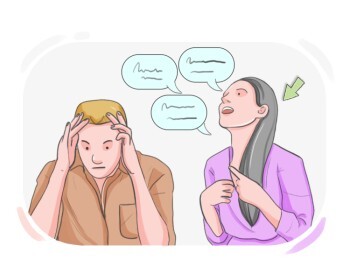
talking a great deal, particularly about trivial things
bavard
Pendant la réunion, ses remarques bavardes détournaient souvent la conversation.
lacking proper consideration and foresight, especially when it comes to savings and money
imprévoyant
Son mode de vie imprévoyant a rendu difficile pour lui d'épargner pour la retraite.
(of beliefs, behaviors, habits, etc.) existing for so long and so deeply rooted that has made changing very difficult
enraciné, inébranlable, tenace, invétéré, tenace
L'entreprise a rencontré des défis en raison de ses traditions ancrées.
having a humorous and joking manner
badin
Elle avait une personnalité enjouée qui faisait rire tout le monde.
moving in a slow, effortless, and attractive manner
languide
Le chat s'étira d'une manière nonchalante, se prélassant dans la chaleur du soleil de l'après-midi.
prone to unpredicted and sudden changes
changeant
Les décisions capricieuses du manager laissaient souvent l'équipe dans l'incertitude.

lacking experience and wisdom due to being young
naïf, naïve
Sa croyance naïve en la bonté des gens le rendait souvent vulnérable à la manipulation.
without any preparation or prior thought
spontanément, au pied levé
La proposition a été rédigée à l'improviste et manquait d'informations critiques.
treating someone in a seemingly friendly manner but in reality treating them as if they are below one in importance and intelligence
condescendant, condescendante
Le ton condescendant du manager pendant la réunion a frustré tout le monde.
trying too hard to attract attention or impress others
prétentieux
Son comportement prétentieux a rendu la réunion inconfortable.

expected or likely to become, be, or do something in the future
futur
impatient to move or progress, especially due to confinement or obstruction from desired movement
rétif, difficile
Les actionnaires agités ont pressé la direction de l'entreprise pour des ajustements stratégiques afin de relancer une croissance languissante.
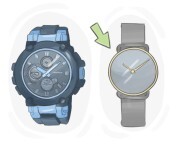
consisting of fundamental and basic principles
rudimentaire
Le guide de survie a équipé les randonneurs de compétences rudimentaires telles que la construction d'un abri et la recherche d'eau potable dans la nature.
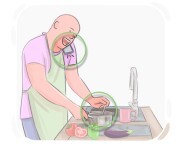
taking place at precisely the same time
simultané
Des services de traduction simultanée ont été fournis aux participants de différents pays.
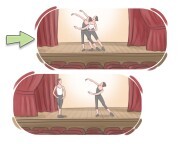
occurring at the exact same speed or time
synchrone, simultané
Les réponses des étudiants étaient synchrones pendant l'activité de groupe.
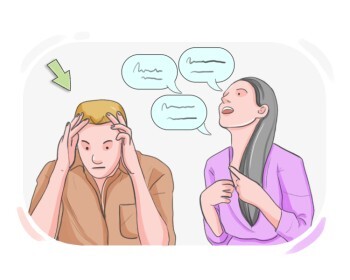
tending to be reserved and untalkative, in a way that makes one seem unfriendly
taciturne
Le voisin taciturne a surpris tout le monde en engageant une conversation amicale.

having the ability to stay composed and calm in difficult circumstances
imperturbable
Son comportement imperturbable dans les situations d'urgence lui a valu le surnom de "le roc" parmi ses collègues.
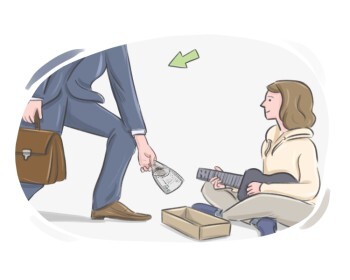
generously giving something such as help, money, time, praise, etc.
généreux, prodigue, sans limites, sans bornes, sans faille
Il a reçu des éloges sans réserve pour sa performance exceptionnelle.
to react in an angry, aggressive, or defensive manner
se hérisser, s'irriter
Ses commentaires l'ont fait se hérisser d'irritation.
to express great regret or sorrow for something
se lamenter sur
Beaucoup déplorent le passage des pratiques traditionnelles aux commodités modernes.
to insult or make fun of someone as if they are stupid or worthless
railler, ridiculiser
Historiquement, de nombreux inventeurs ont fait face à ceux qui raillaient leurs innovations, pour finalement être reconnus comme visionnaires.

to trick someone into believing something that is not true
duper, leurrer
Elle s'est sentie honteuse après avoir réalisé qu'elle avait été trompée par le vendeur à la langue de bois pour acheter un produit défectueux.
to speak or behave aggressively toward someone and try to force them into doing something
harceler
Leur réticence a été surmontée lorsqu'il les a harcelés avec insistance.
something that deviates from what is considered normal, expected, or standard
anomalie
Les responsables électoraux ont signalé plusieurs divergences et anomalies dans les décomptes des votes à travers différents bureaux de vote qui justifiaient un audit.
the quality of showing loyalty and faithfulness to someone or something
fidélité
Le mariage était marqué par une fidélité mutuelle et une confiance.
the way of behaving that is considered to be morally and socially correct and acceptable
convenances
Elle a agi avec bienséance même dans des situations difficiles.
to express dissatisfaction with something
se lamenter, déplorer
Il déplora le mauvais service au restaurant.
