pattern

Liste de mots de niveau A1 - Adjectifs Opposés

Ici, vous apprendrez quelques adjectifs anglais de base et leurs opposés, tels que "bon et mauvais", "haut et bas", et "petit et grand", préparés pour les apprenants de niveau A1.

Réviser

Flashcards

Orthographe

Quiz
Commencer à apprendre
CEFR A1 Vocabulary
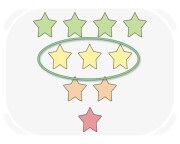
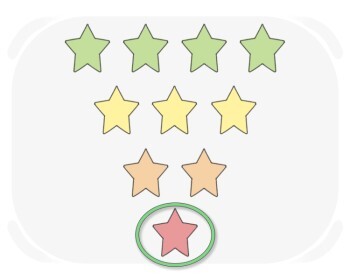
good
good
[Adjectif]

having a quality that is satisfying

bon
bon

Ex: She has a good memory and can remember details easily. 
bad
bad
[Adjectif]

having a quality that is not satisfying

mauvais

mauvais

Ex: The movie was bad and not enjoyable to watch. 
high
high
[Adjectif]

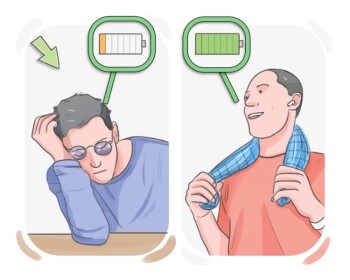
having a value or level greater than usual or expected, often in terms of numbers or measurements

haut
haut

Ex: She had a high fever and needed to see a doctor. 
low
low
[Adjectif]

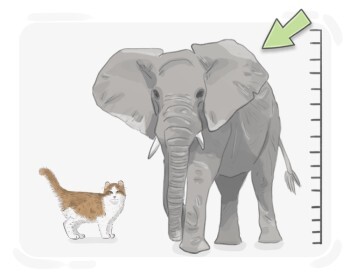
small or below average in degree, value, level, or amount

bas, basse
bas, basse

Ex: She was raising three kids on a low income. 
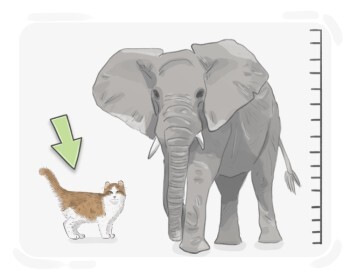
big
big
[Adjectif]

above average in size or extent

grand

grand

Ex: They live in a big house. 
small
small
[Adjectif]

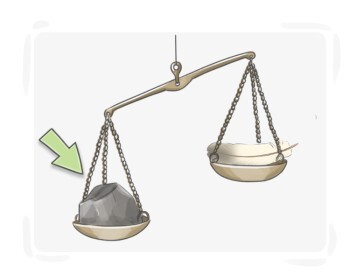
below average in physical size

petit
petit

Ex: He had a small backpack that was easy to carry. 
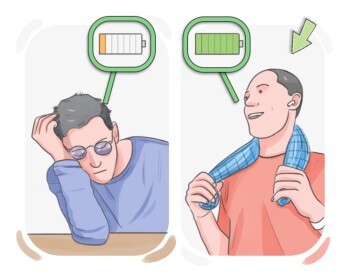
heavy
heavy
[Adjectif]

having a lot of weight and not easy to move or pick up

lourd
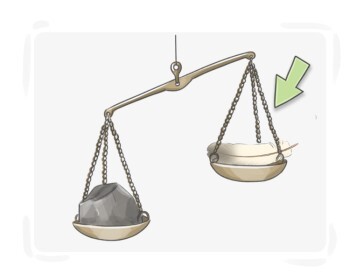
lourd

Ex: He felt the weight of the heavy burden on his shoulders. 
light
light
[Adjectif]

having very little weight and easy to move or pick up

léger
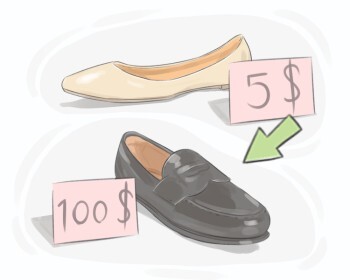
léger

Ex: He carried a light backpack filled with his school supplies. 
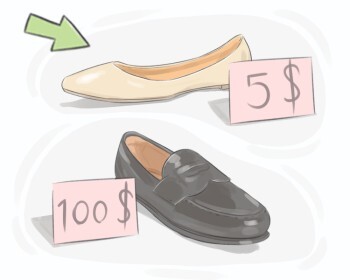
expensive
expensive
[Adjectif]

having a high price

cher, chère

cher, chère

Ex: He bought an expensive watch as a gift for his father. 
cheap
cheap
[Adjectif]

having a low price

bon marché, pas cher
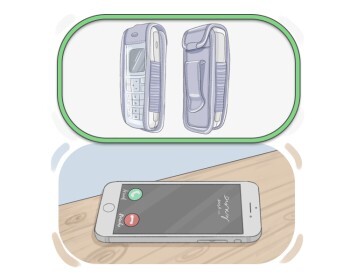
bon marché, pas cher

Ex: He found a cheap flight deal for his vacation. 
old
old
[Adjectif]

(of a thing) having been used or existing for a long period of time

vieux, vielle, vieil
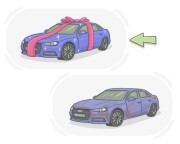
vieux, vielle, vieil

Ex: He fixed an old clock that had stopped ticking. 
new
new
[Adjectif]

recently invented, made, etc.

nouveau, nouvelle, nouvel
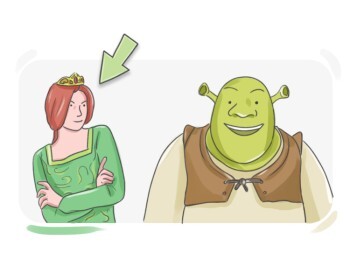
nouveau, nouvelle, nouvel

Ex: The new software update includes several innovative features not seen before. 
beautiful
beautiful
[Adjectif]

extremely pleasing to the mind or senses

beau, belle
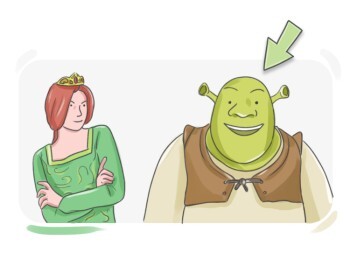
beau, belle

Ex: He painted a beautiful portrait of his sister. 
ugly
ugly
[Adjectif]

not pleasant to the mind or senses

laid

laid

Ex: Don't be so mean, calling someone ugly is not nice. 
clean
clean
[Adjectif]

not having any bacteria, marks, or dirt

propre, nettoyé
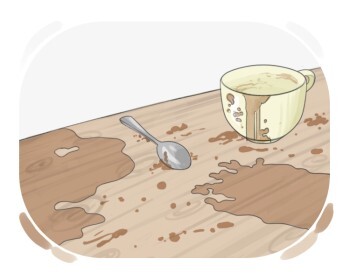
propre, nettoyé

Ex: He washed his hands to keep them clean. 
dirty
dirty
[Adjectif]

having stains, bacteria, marks, or dirt

sale

sale

Ex: He had a dirty face after playing in the mud. 
easy
easy
[Adjectif]

needing little skill or effort to do or understand

facile
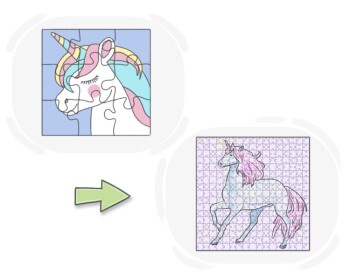
facile

Ex: Cooking pasta is easy; you just boil water and add the noodles. 
difficult
difficult
[Adjectif]

needing a lot of work or skill to do, understand, or deal with

difficile
difficile

Ex: Solving complex mathematical equations can be difficult without a strong understanding of mathematical principles. 
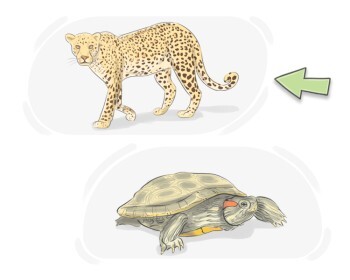
fast
fast
[Adjectif]

having a high speed when doing something, especially moving

rapide
rapide

Ex: He had a fast response to emergency situations. 
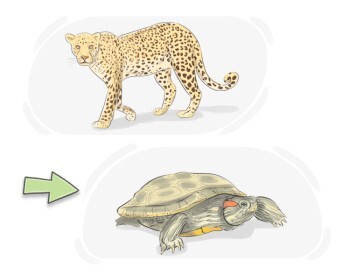
slow
slow
[Adjectif]

moving, happening, or being done at a speed that is low

lent

lent

Ex: He had a slow computer that took a long time to start up. 
different
different
[Adjectif]

not like another thing or person in form, quality, nature, etc.

différent
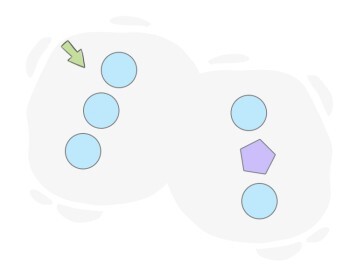
différent

Ex: He had a different perspective on the movie. 
same
same
[Adjectif]

like another thing or person in every way

le même, la même
le même, la même

Ex: I chose the same topic for my presentation as last year. 
right
right
[Adjectif]

based on facts or the truth

correct, juste
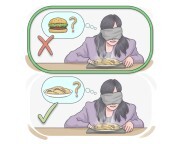
correct, juste

Ex: He made the right decision after carefully considering all the options. 
wrong
wrong
[Adjectif]

not based on facts or the truth

faux, fausse
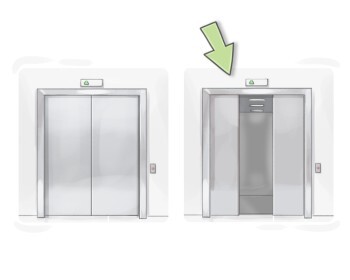
faux, fausse

Ex: He followed the wrong directions and got lost. 
open
open
[Adjectif]

letting people or things pass through

ouvert
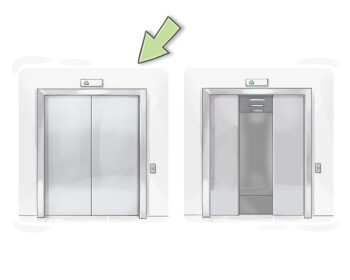
ouvert

Ex: He left the laptop open to continue working on his project. 
closed
closed
[Adjectif]

not letting things, people, etc. go in or out

fermé
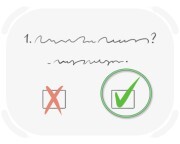
fermé

Ex: He found a closed shop and had to look for another place to buy groceries. 
true
true
[Adjectif]

according to reality or facts

juste

juste

Ex: The statement she made about the project was true; everything was completed on time. 
false
false
[Adjectif]

not according to reality or facts

faux, factice

faux, factice

Ex: He made a false claim about his achievements to impress others. 
rich
rich
[Adjectif]

owning a great amount of money or things that cost a lot

riche
riche

Ex: He invested wisely and became incredibly rich. 
poor
poor
[Adjectif]

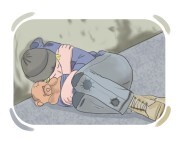
owning a very small amount of money or a very small number of things

pauvre
pauvre

Ex: He wanted to help the poor family who were struggling to afford basic necessities like food and clothing. 
sure
sure
[Adjectif]

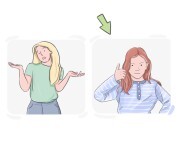
(of a person) feeling confident about something being correct or true

certain
certain

Ex: Being sure of his memory, he recited the poem flawlessly in front of the audience. 
unsure
unsure
[Adjectif]

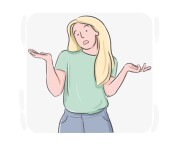
having doubts about or no confidence in someone or something

pas sûr
pas sûr

Ex: He was unsure if he wanted pizza or pasta for dinner. 
correct
correct
[Adjectif]

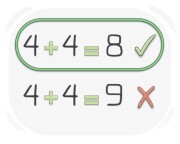
accurate and in accordance with reality or truth

correct, exact
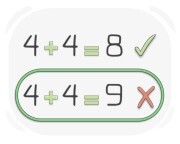
correct, exact

Ex: His correct pronunciation impressed everyone in the language class. 
incorrect
incorrect
[Adjectif]

having mistakes or inaccuracies

incorrect, inexact

incorrect, inexact

Ex: His answer was incorrect, so he didn't get full marks. 
LanGeek
Télécharger l'application LanGeek