pattern

Lista de palabras de nivel A1 - Adjetivos Opuestos

Aquí aprenderás algunos adjetivos básicos en inglés y sus opuestos, como "good and bad", "high and low", "small and big", etc. preparados para estudiantes de A1.

Revisión

Tarjetas de memoria

Ortografía

Cuestionario

Empezar a aprender
CEFR A1 Vocabulary
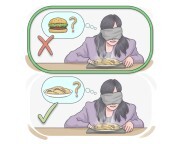
good
good
[Adjetivo]

having a quality that is satisfying

bueno
bueno

Ex: She has a good memory and can remember details easily. 
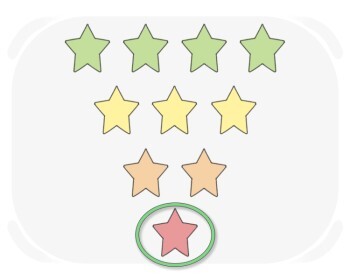
bad
bad
[Adjetivo]

having a quality that is not satisfying

malo
malo

Ex: The movie was bad and not enjoyable to watch. 
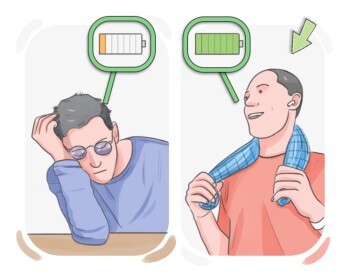
high
high
[Adjetivo]

having a value or level greater than usual or expected, often in terms of numbers or measurements

gran cantidad
gran cantidad

Ex: She had a high fever and needed to see a doctor. 
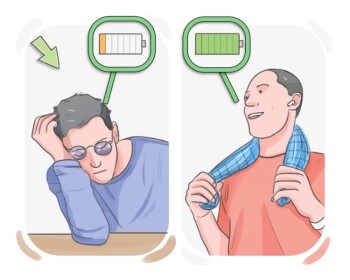
low
low
[Adjetivo]

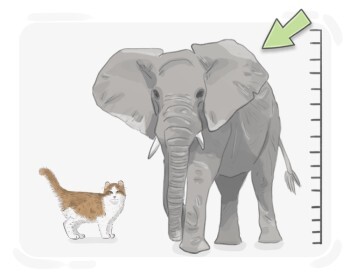
small or below average in degree, value, level, or amount

bajo
bajo

Ex: She was raising three kids on a low income. 
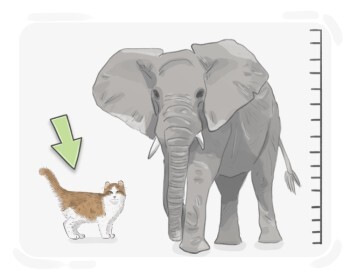
big
big
[Adjetivo]

above average in size or extent

grande

grande

Ex: They live in a big house. 
small
small
[Adjetivo]

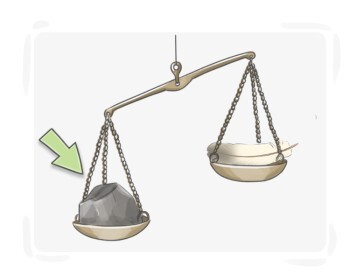
below average in physical size

pequeño
pequeño

Ex: He had a small backpack that was easy to carry. 
heavy
heavy
[Adjetivo]

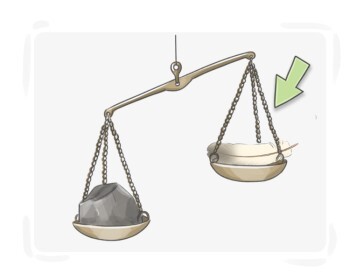
having a lot of weight and not easy to move or pick up

pesado
pesado

Ex: He felt the weight of the heavy burden on his shoulders. 
light
light
[Adjetivo]

having very little weight and easy to move or pick up

ligero

ligero

Ex: He carried a light backpack filled with his school supplies. 
expensive
expensive
[Adjetivo]

having a high price

caro

caro

Ex: He bought an expensive watch as a gift for his father. 
cheap
cheap
[Adjetivo]

having a low price

barato

barato

Ex: He found a cheap flight deal for his vacation. 
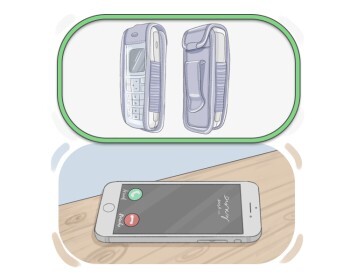
old
old
[Adjetivo]

(of a thing) having been used or existing for a long period of time

viejo

viejo

Ex: He fixed an old clock that had stopped ticking. 
new
new
[Adjetivo]

recently invented, made, etc.

nuevo

nuevo

Ex: The new software update includes several innovative features not seen before. 
beautiful
beautiful
[Adjetivo]

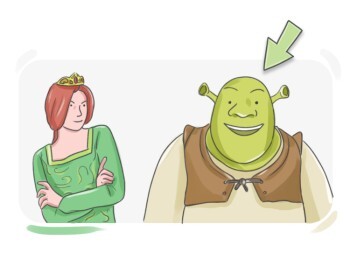
extremely pleasing to the mind or senses

hermoso, bonito
hermoso, bonito

Ex: He painted a beautiful portrait of his sister. 
ugly
ugly
[Adjetivo]

not pleasant to the mind or senses

feo

feo

Ex: Don't be so mean, calling someone ugly is not nice. 
clean
clean
[Adjetivo]

not having any bacteria, marks, or dirt

limpio, aseado
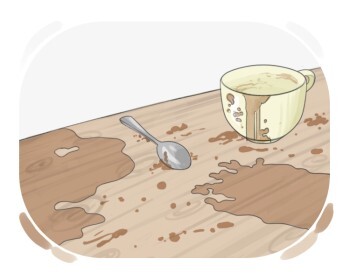
limpio, aseado

Ex: He washed his hands to keep them clean. 
dirty
dirty
[Adjetivo]

having stains, bacteria, marks, or dirt

sucio

sucio

Ex: He had a dirty face after playing in the mud. 
easy
easy
[Adjetivo]

needing little skill or effort to do or understand

fácil
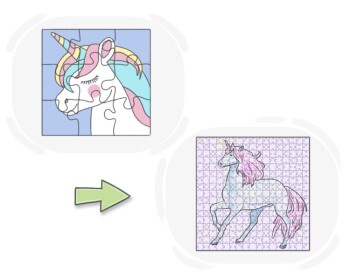
fácil

Ex: Cooking pasta is easy; you just boil water and add the noodles. 
difficult
difficult
[Adjetivo]

needing a lot of work or skill to do, understand, or deal with

difícil
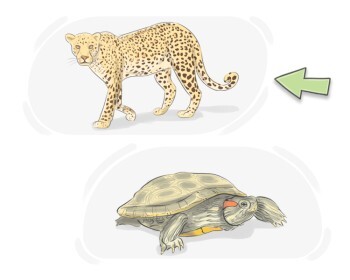
difícil

Ex: Solving complex mathematical equations can be difficult without a strong understanding of mathematical principles. 
fast
fast
[Adjetivo]

having a high speed when doing something, especially moving

rápido
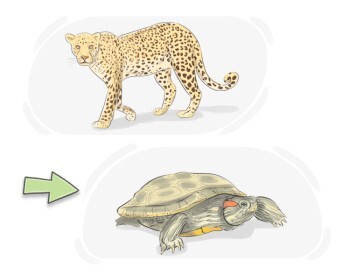
rápido

Ex: He had a fast response to emergency situations. 
slow
slow
[Adjetivo]

moving, happening, or being done at a speed that is low

lento

lento

Ex: He had a slow computer that took a long time to start up. 
different
different
[Adjetivo]

not like another thing or person in form, quality, nature, etc.

diferente
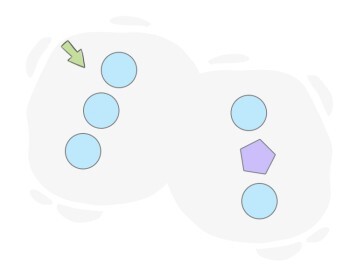
diferente

Ex: He had a different perspective on the movie. 
same
same
[Adjetivo]

like another thing or person in every way

mismo
mismo

Ex: I chose the same topic for my presentation as last year. 
right
right
[Adjetivo]

based on facts or the truth

correcto

correcto

Ex: He made the right decision after carefully considering all the options. 
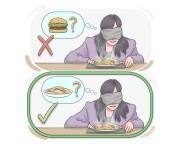
wrong
wrong
[Adjetivo]

not based on facts or the truth

incorrecto
incorrecto

Ex: He followed the wrong directions and got lost. 
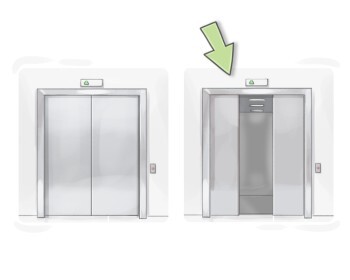
open
open
[Adjetivo]

letting people or things pass through

abierto
abierto

Ex: He left the laptop open to continue working on his project. 
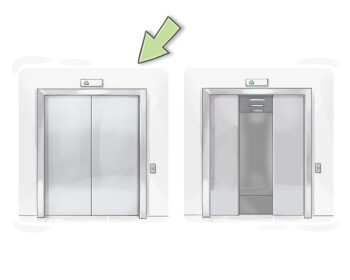
closed
closed
[Adjetivo]

not letting things, people, etc. go in or out

cerrado
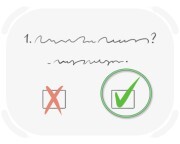
cerrado

Ex: He found a closed shop and had to look for another place to buy groceries. 
true
true
[Adjetivo]

according to reality or facts

verdadero
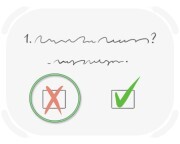
verdadero

Ex: The statement she made about the project was true; everything was completed on time. 
false
false
[Adjetivo]

not according to reality or facts

falso

falso

Ex: He made a false claim about his achievements to impress others. 
rich
rich
[Adjetivo]

owning a great amount of money or things that cost a lot

rico, adinerado

rico, adinerado

Ex: He invested wisely and became incredibly rich. 
poor
poor
[Adjetivo]

owning a very small amount of money or a very small number of things

pobre
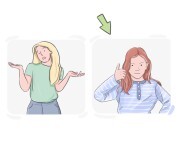
pobre

Ex: He wanted to help the poor family who were struggling to afford basic necessities like food and clothing. 
sure
sure
[Adjetivo]

(of a person) feeling confident about something being correct or true

seguro

seguro

Ex: Being sure of his memory, he recited the poem flawlessly in front of the audience. 
unsure
unsure
[Adjetivo]

having doubts about or no confidence in someone or something

inseguro
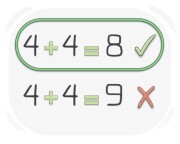
inseguro

Ex: He was unsure if he wanted pizza or pasta for dinner. 
correct
correct
[Adjetivo]

accurate and in accordance with reality or truth

correcto
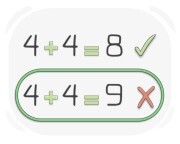
correcto

Ex: His correct pronunciation impressed everyone in the language class. 
incorrect
incorrect
[Adjetivo]

having mistakes or inaccuracies

incorrecto

incorrecto

Ex: His answer was incorrect, so he didn't get full marks. 
LanGeek
Descargar la aplicación LanGeek