pattern

A1レベルの単語リスト - 反対の意味を持つ形容詞

「大きい・小さい」「暑い・寒い」「良い・悪い」など、反対の意味を持つA1レベルの基本英語形容詞を学びます。

復習

フラッシュカード

綴り

クイズ

学習を開始
CEFR A1 Vocabulary
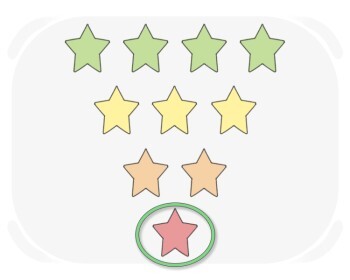
good
good
[形容詞]

having a quality that is satisfying

良い,素晴らしい

良い,素晴らしい

Ex: She has a good memory and can remember details easily. 

彼女は良い記憶力を持っていて、詳細を簡単に覚えることができます。

bad
bad
[形容詞]

having a quality that is not satisfying

悪い,ひどい

悪い,ひどい

Ex: Bad luck seemed to follow him wherever he went. 

不運は彼がどこへ行ってもついてくるようだった。

high
high
[形容詞]

having a value or level greater than usual or expected, often in terms of numbers or measurements

高い,高めの

高い,高めの

Ex: The region experienced high temperatures this summer. 

この地域は今夏、高い気温を経験しました。

low
low
[形容詞]

small or below average in degree, value, level, or amount

低い,少ない

低い,少ない

Ex: The town has a low crime rate. 

その町は犯罪率が低い。

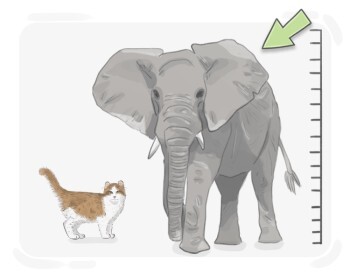
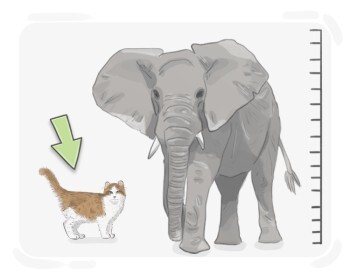
big
big
[形容詞]

above average in size or extent

大きい,巨大な

大きい,巨大な

Ex: He made a big mistake. 

彼は大きな間違いを犯した。

small
small
[形容詞]

below average in physical size

小さい,小さな

小さい,小さな

Ex: The toy car was small enough to fit in his pocket. 

おもちゃの車は彼のポケットに収まるほど小さかった。

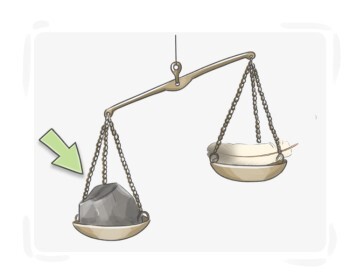
heavy
heavy
[形容詞]

having a lot of weight and not easy to move or pick up

重い

重い

Ex: She carried a heavy load of books in her backpack. 

彼女はバックパックに本の重い荷物を運んでいた。

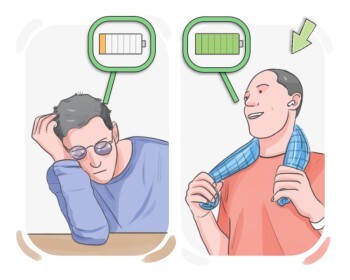
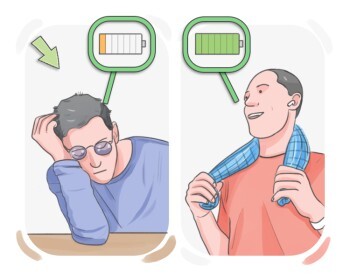
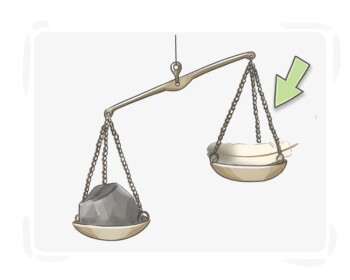
light
light
[形容詞]

having very little weight and easy to move or pick up

軽い,重くない

軽い,重くない

Ex: The feather was so light that it floated in the air effortlessly. 

その羽はとても軽かったので、楽に空中に浮かんでいた。

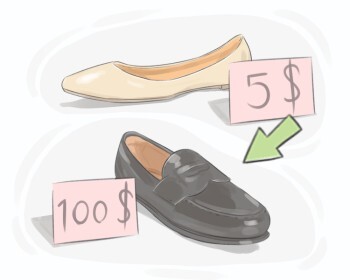
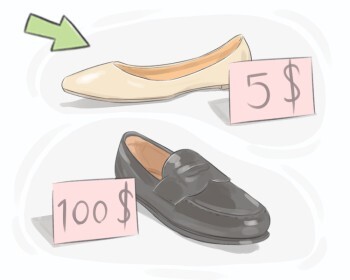
expensive
expensive
[形容詞]

having a high price

高価な,高額な

高価な,高額な

Ex: The house they want is in an expensive neighborhood. 

彼らが欲しい家は高価な近所にあります。

cheap
cheap
[形容詞]

having a low price

安い,低価格の

安い,低価格の

Ex: The restaurant serves delicious food at cheap prices. 

そのレストランは、安い価格で美味しい料理を提供します。

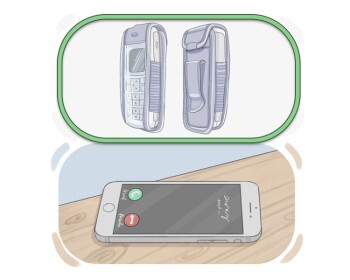
old
old
[形容詞]

(of a thing) having been used or existing for a long period of time

古い,年老いた

古い,年老いた

Ex: He fixed an old clock that had stopped ticking. 

彼は、動かなくなった古い時計を修理した。

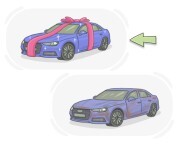
new
new
[形容詞]

recently invented, made, etc.

新しい,新規

新しい,新規

Ex: The new AI-powered assistant can perform tasks much faster than previous versions. 

AI搭載の新しいアシスタントは、以前のバージョンよりもはるかに速くタスクを実行できます。
beautiful
beautiful
[形容詞]

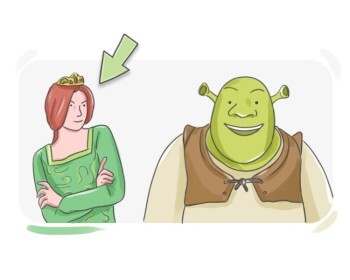
extremely pleasing to the mind or senses

美しい,素晴らしい

美しい,素晴らしい

Ex: He painted a beautiful portrait of his sister. 

彼は姉の美しい肖像画を描いた。

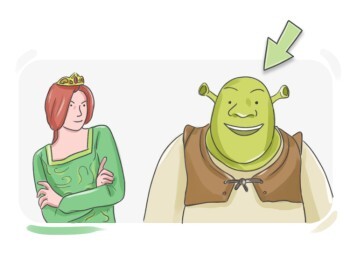
ugly
ugly
[形容詞]

very unattractive or unpleasant in appearance

醜い, 見苦しい

醜い, 見苦しい

Ex: Emma thought the old concrete building was ugly. 
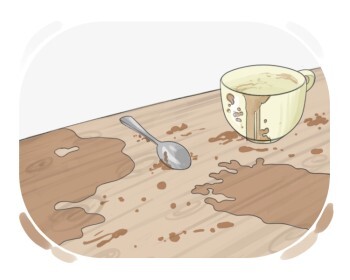
clean
clean
[形容詞]

not having any bacteria, marks, or dirt

清潔な,無菌の

清潔な,無菌の

Ex: The clean windows allowed sunlight to fill the room. 

きれいな窓は太陽の光が部屋に満ちるのを許しました。

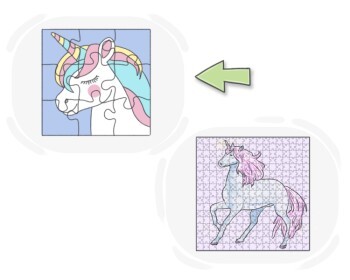
dirty
dirty
[形容詞]

covered or marked with dirt, stains, or other unwanted substances

汚い, きたない
汚い, きたない

Ex: Daniel changed out of his dirty clothes after work. 
easy
easy
[形容詞]

needing little skill or effort to do or understand

簡単,易しい

簡単,易しい

Ex: Fixing the leaky faucet was easy; all it needed was a quick tightening of the bolt. 

漏れている蛇口を修理するのは簡単だった; 必要なのはボルトを素早く締めることだけだった。
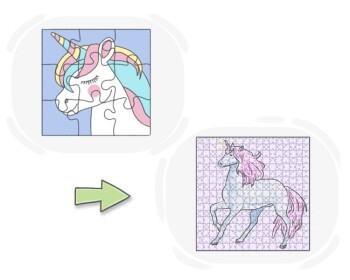
difficult
difficult
[形容詞]

not easy to do, understand, or deal with, requiring considerable effort or skill

not easy to do, understand, or deal with, requiring considerable effort or skill
not easy to do, understand, or deal with, requiring considerable effort or skill

Ex: Sarah found the math exam more difficult than she expected. 
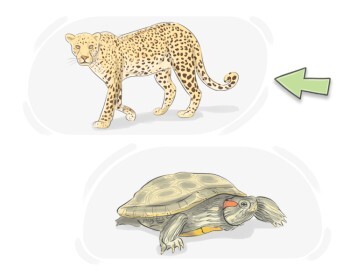
fast
fast
[形容詞]

having a high speed when doing something, especially moving

速い,迅速な

速い,迅速な

Ex: The express train provided a fast and efficient way for commuters to reach the city. 

急行列車は、通勤者が都市に到達するための速いそして効率的な方法を提供しました。
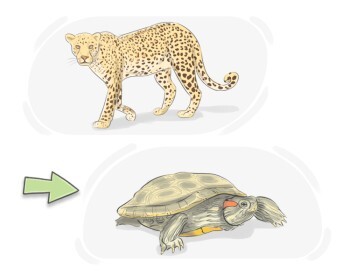
slow
slow
[形容詞]

moving, happening, or being done at a speed that is low

遅い,のろい

遅い,のろい

Ex: The slow healing process of the wound required regular care. 

傷の遅い治癒プロセスには定期的なケアが必要でした。

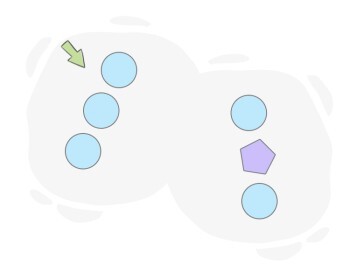
different
different
[形容詞]

not like another thing or person in form, quality, nature, etc.

異なる

異なる

Ex: He had a different perspective on the movie. 

彼はその映画に対して異なる視点を持っていた。

same
same
[形容詞]

like another thing or person in every way

同じ,同様の

同じ,同様の

Ex: They decided to go to the same vacation spot as last summer. 

彼らは去年の夏と同じ休暇スポットに行くことに決めた。

right
right
[形容詞]

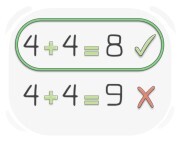
based on facts or the truth

正しい,公正な

正しい,公正な

Ex: The historian provided the right historical context for the event. 

歴史家はその出来事に対する正しい歴史的文脈を提供した。

wrong
wrong
[形容詞]

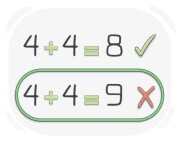
not based on facts or the truth

間違った,誤った

間違った,誤った

Ex: The journalist published a wrong statement in the article. 

そのジャーナリストは記事で間違った声明を発表した。

open
open
[形容詞]

letting people or things pass through

開いている,アクセス可能な

開いている,アクセス可能な

Ex: The open window let in a cool breeze. 

開いた窓から涼しい風が入ってきた。

closed
closed
[形容詞]

not letting things, people, etc. go in or out

閉まっている,閉鎖された

閉まっている,閉鎖された

Ex: He found a closed shop and had to look for another place to buy groceries. 

彼は閉まっている店を見つけ、食料品を買うために別の場所を探さなければならなかった。
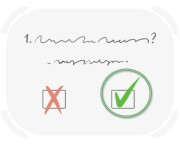
true
true
[形容詞]

according to reality or facts

真実の,本当の

真実の,本当の

Ex: The statement she made about the project was true; everything was completed on time. 

彼女がプロジェクトについて述べた声明は真実でした; すべてが時間通りに完了しました。
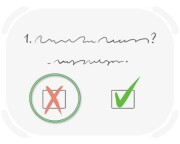
false
false
[形容詞]

not according to reality or facts

偽の,誤った

偽の,誤った

Ex: He made a false claim about his achievements to impress others. 

彼は他の人に感銘を与えるために自分の業績について虚偽の主張をした。

rich
rich
[形容詞]

owning a great amount of money or things that cost a lot

裕福な,金持ちの

裕福な,金持ちの

Ex: The rich man bought a big house and a fancy car. 

その裕福な男は大きな家と高級車を買った。

poor
poor
[形容詞]

owning a very small amount of money or a very small number of things

貧しい,困窮している

貧しい,困窮している

Ex: The poor worker earned minimum wage and couldn't afford to save money. 

その貧しい労働者は最低賃金を稼ぎ、お金を節約する余裕がありませんでした。

sure
sure
[形容詞]

(of a person) feeling confident about something being correct or true

確信している,自信がある

確信している,自信がある

Ex: She was sure that she had locked the front door before leaving the house. 

彼女は家を出る前に玄関のドアをロックしたと確信していた。

unsure
unsure
[形容詞]

having doubts about or no confidence in someone or something

不確かな,ためらっている

不確かな,ためらっている

Ex: He was unsure if he wanted pizza or pasta for dinner. 

彼は夕食にピザがいいかパスタがいいか分からなかった。

correct
correct
[形容詞]

accurate and in accordance with reality or truth

正しい,正確な

正しい,正確な

Ex: She gave a correct response to the teacher's question. 

彼女は先生の質問に正しい答えを出した。

incorrect
incorrect
[形容詞]

having mistakes or inaccuracies

間違っている,不正確な

間違っている,不正確な

Ex: His answer was incorrect, so he didn't get full marks. 

彼の答えは間違っていたので、満点は取れなかった。

LanGeek
LanGeekアプリをダウンロード