500 Most Common English Verbs - Top 51 - 75 Verbs

Here you are provided with the part 3 of the list of the most common verbs in English such as "wait", "believe", and "laugh".

review-disable

review

flashcard-disable

flashcard

spelling-disable

spelling

quiz-disable

quiz

start-learning
500 Most Common English Verbs
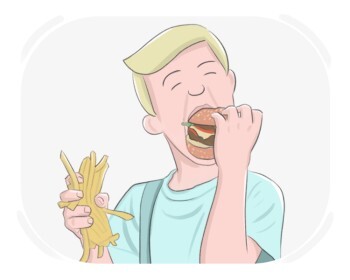
to eat [verb]

to put food into the mouth, then chew and swallow it
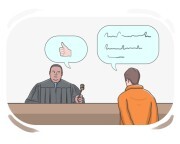
Ex: We ate sushi for the first time and loved it .

to accept something to be true even without proof
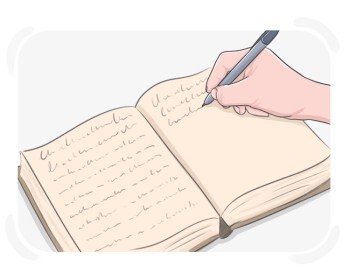
Ex: I find it hard to believe that she won the lottery twice in a row .
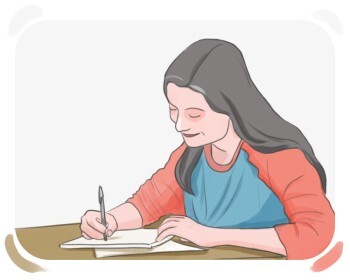
to write [verb]

to make letters, words, or numbers on a surface, usually on a piece of paper, with a pen or pencil

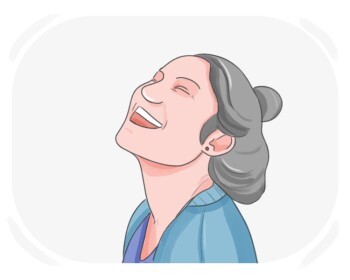
Ex: They grabbed a marker to write a message on the whiteboard .
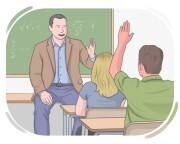
to speak [verb]

to talk to someone about something

Ex: She spoke to him about her concerns .
to laugh [verb]

to make happy sounds and move our face like we are smiling because something is funny

Ex: The children laughed joyfully as they played together .
to wait [verb]

to not leave until a person or thing is ready or present or something happens
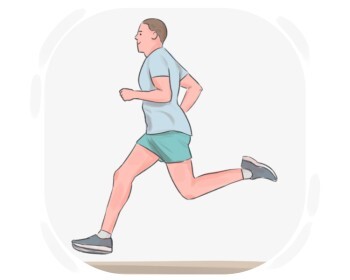
Ex: If you arrive early , you may have to wait until the restaurant opens .
to run [verb]

to move using our legs, faster than we usually walk, in a way that both feet are never on the ground at the same time
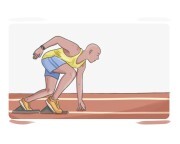
Ex:
to begin [verb]

to do or experience the first part of something
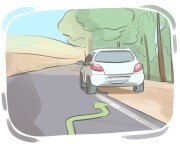
Ex: He began by explaining the rules of the game to the group .
to stop [verb]

to not move anymore

Ex: The train does n't stop on this route after 6 PM .
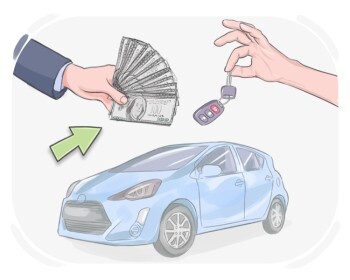
to buy [verb]

to get something in exchange for paying money
Ex: Let 's buy some flowers for her birthday .
to lose [verb]

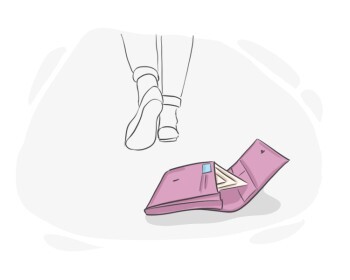
to not know the location of a thing or person and be unable to find it
Ex: They lost their dog in the neighborhood .
to pay [verb]

to give someone money in exchange for goods or services
Ex: He paid the cleaning service to tidy up the house .
to read [verb]

to look at written or printed words or symbols and understand their meaning
Ex: It 's important to read the terms and conditions before agreeing .
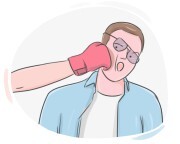
to hit [verb]

to strike someone or something with force using one's hand or an object
Ex: The teacher told the student not to hit his classmates .

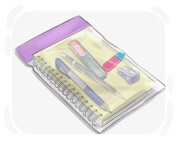
to have something as a part of the whole
Ex: The presentation includes charts and graphs to support the data .
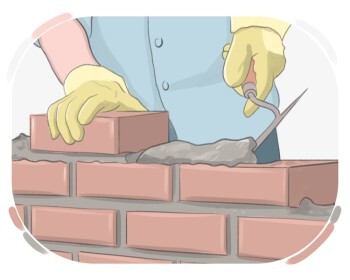
to build [verb]

to put together different materials such as brick to make a building, etc.
Ex: These cottages are built with timber and thatch .
to hold [verb]

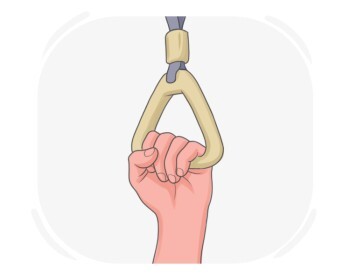
to have in your hands or arms

Ex: He gently held the fragile vase , careful not to drop it .
to allow [verb]

to let someone or something do a particular thing
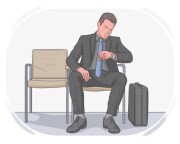
Ex: The school policy does not allow students to use their phones during class .
to stay [verb]

to remain in a particular place

Ex: We 'll stay at the office to finish the project on time .
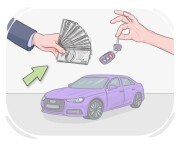
to spend [verb]

to use money as a payment for services, goods, etc.
Ex:
to sit [verb]

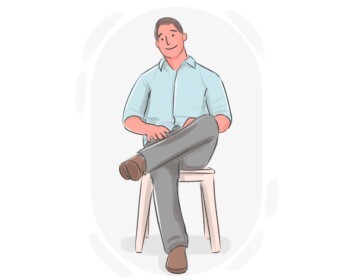
to put our bottom on something like a chair or the ground while keeping our back straight
Ex: He enjoys going to the park to sit and watch the ducks in the pond .

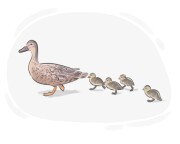
to move or travel behind someone or something
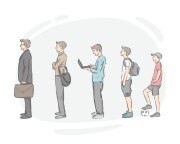
Ex: The children giggled as they followed the leader in a game of " Simon says . "
to grow [verb]

to get larger and taller and become an adult over time
Ex: Despite the harsh conditions , the desert cactus managed to grow and bloom .
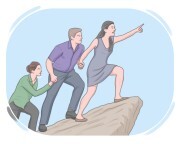
to lead [verb]

to guide or show the direction for others to follow
Ex: The teacher led the students to the classroom .

to not stop something, such as a task or activity, and keep doing it

Ex: She continued studying late into the night .