pattern

500 Verbes Anglais Les Plus Courants - Top 176 - 200 Verbes

Ici, vous est fournie la partie 8 de la liste des verbes les plus courants en anglais tels que "former", "brûler" et "fermer".

Réviser

Flashcards

formes

Orthographe

Quiz
Commencer à apprendre
Most Common Verbs in English Vocabulary
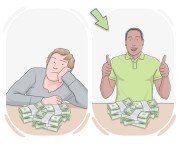
to matter
to matter
[verbe]

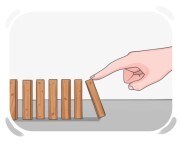
to be important or have a great effect on someone or something

importer
importer

Ex: His opinion didn't matter to her as much as his actions did. 

Son opinion n'avait pas autant d'importance pour elle que ses actions.

to affect
to affect
[verbe]

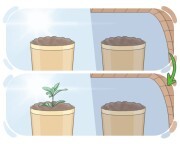
to cause a change in a person, thing, etc.

affecter
affecter

Ex: The change in weather can affect people's moods and energy levels. 

Le changement de temps peut affecter l'humeur et les niveaux d'énergie des gens.

to form
to form
[verbe]

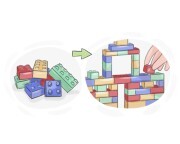
to combine parts or bring them together to create something

former, construire
former, construire

Ex: The committee worked together to form a new policy that addressed various concerns. 

Le comité a travaillé ensemble pour former une nouvelle politique qui répondait à diverses préoccupations.

to fill
to fill
[verbe]

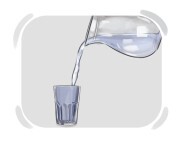
to make something full

remplir

remplir

Ex: I will fill the vase with fresh flowers from the garden. 

Je vais remplir le vase avec des fleurs fraîches du jardin.

to burn
to burn
[verbe]

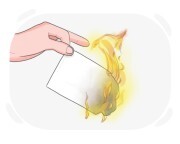
to be on fire and be destroyed by it

brûler, flamber
brûler, flamber

Ex: The paper caught fire and burned quickly in the flames. 

Le papier a pris feu et a brûlé rapidement dans les flammes.

to close
to close
[verbe]

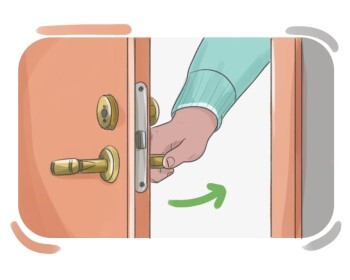
to move something like a window or door into a position that people or things cannot pass through

fermer

fermer

Ex: He closed the gate to prevent the dog from running away. 

Il a fermé la porte pour empêcher le chien de s'enfuir.

to act
to act
[verbe]

to do something for a special reason

agir
agir

Ex: In times of crisis, leaders must act decisively to ensure the safety and well-being of their people. 

En temps de crise, les dirigeants doivent agir avec détermination pour assurer la sécurité et le bien-être de leur peuple.

to tend
to tend
[verbe]

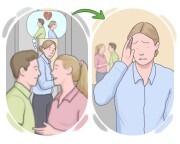
to be likely to develop or occur in a certain way because that is the usual pattern

avoir tendance, être enclin
avoir tendance, être enclin

Ex: People from that region tend to be fluent in multiple languages due to their diverse cultural influences. 

Les gens de cette région ont tendance à être multilingues en raison de leurs influences culturelles diverses.

to place
to place
[verbe]

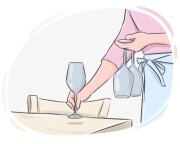
to lay or put something somewhere

placer, mettre
placer, mettre

Ex: The cat likes to place itself near the window to bask in the sunlight. 

Le chat aime se placer près de la fenêtre pour se prélasser au soleil.

to avoid
to avoid
[verbe]

to intentionally stay away from or refuse contact with someone

éviter

éviter

Ex: She avoided her neighbors after their recent argument. 

Elle a évité ses voisins après leur récente dispute.

to agree
to agree
[verbe]

to hold the same opinion as another person about something

être d’accord, s'accorder avec
être d’accord, s'accorder avec

Ex: They agree that the movie was excellent. 

Ils sont d'accord que le film était excellent.

to recognize

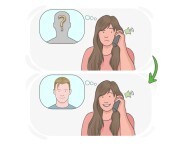
to know who a person or what an object is, because we have heard, seen, etc. them before

reconnaître
reconnaître

Ex: He didn't recognize the old friend he hadn’t seen in years. 

Il n'a pas reconnu le vieil ami qu'il n'avait pas vu depuis des années.

to charge
to charge
[verbe]

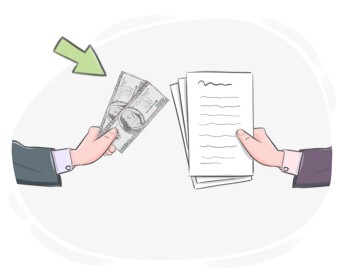
to ask a person to pay a certain amount of money in return for a product or service

faire payer
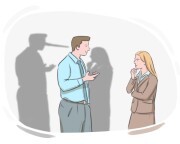
faire payer

Ex: Some online platforms charge for premium features. 

Certaines plateformes en ligne facturent des fonctionnalités premium.

to lie
to lie
[verbe]

to intentionally say or write something that is not true

mentir

mentir

Ex: He often lies to avoid getting in trouble. 

Il ment souvent pour éviter d'avoir des ennuis.

to finish
to finish
[verbe]

to make something end

finir

finir

Ex: The chef finished plating the dish and served it to the customers. 

Le chef a terminé de dresser le plat et l'a servi aux clients.

to enter
to enter
[verbe]

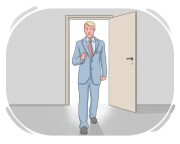
to come or go into a place

entrer

entrer

Ex: The students regularly enter the classroom before the bell rings. 

Les élèves entrent régulièrement dans la salle de classe avant que la cloche ne sonne.

to fix
to fix
[verbe]

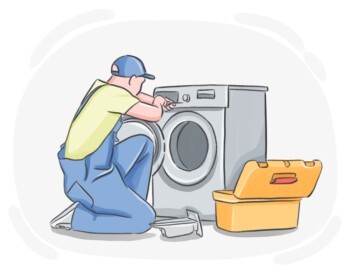
to repair something that is broken

réparer

réparer

Ex: She always fixes the leaking faucet in the kitchen. 

Elle répare toujours le robinet qui fuit dans la cuisine.

to grab
to grab
[verbe]

to take someone or something suddenly or violently

saisir, agripper

saisir, agripper

Ex: The lifeguard grabbed the struggling swimmer by the arm and pulled him to safety from the strong current. 

Le sauveteur a attrapé le nageur en difficulté par le bras et l'a tiré en sécurité loin du courant puissant.

to touch
to touch
[verbe]

to put our hand or body part on a thing or person

toucher
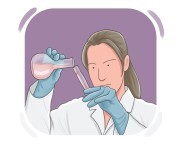
toucher

Ex: She gently touched her friend's arm to offer comfort and support. 

Elle touchait doucement le bras de son amie pour offrir du réconfort et du soutien.

to discover

to be the first person who finds something or someplace that others did not know about

découvrir
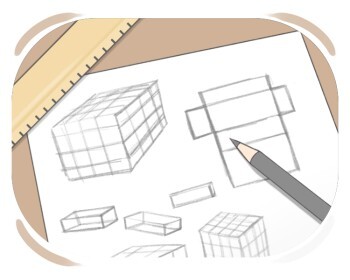
découvrir

Ex: The team discovered a new energy source that could revolutionize the industry. 

L'équipe a découvert une nouvelle source d'énergie qui pourrait révolutionner l'industrie.

to design
to design
[verbe]

to make drawings according to which something will be constructed or produced

concevoir, dessiner

concevoir, dessiner

Ex: They designed a prototype that revolutionized the industry. 

Ils ont conçu un prototype qui a révolutionné l'industrie.

to taste
to taste
[verbe]

to have a specific flavor

goûter

goûter

Ex: Coffee always tastes better when freshly brewed. 

Le café a toujours meilleur goût lorsqu'il est fraîchement infusé.

to fail
to fail
[verbe]

to be unsuccessful in accomplishing something

échouer

échouer

Ex: The experiment failed due to unforeseen complications. 

L'expérience a échoué en raison de complications imprévues.

to represent

to be an image, sign, symbol, etc. of something

représenter
représenter

Ex: His actions consistently represent his values. 

Ses actions représentent constamment ses valeurs.

to hurt
to hurt
[verbe]

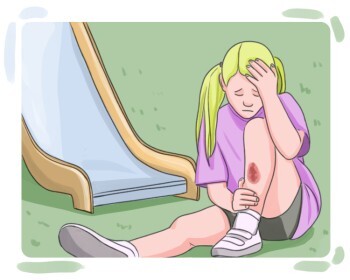
to cause injury or physical pain to yourself or someone else

faire mal à

faire mal à

Ex: He didn't see the step and hurt his foot. 

Il n'a pas vu la marche et blessé son pied.

LanGeek
Télécharger l'application LanGeek