
500 Verbos Más Comunes en Inglés - Verbos Comunes
Aquí tienes la parte 8 de la lista de los verbos más comunes en inglés como "form", "burn" y "close".
Revisión
Tarjetas de memoria
formas
Ortografía
Cuestionario
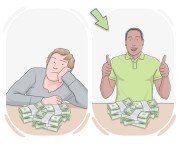
to be important or have a great effect on someone or something

importar
Los detalles de la negociación del contrato importarán durante el proceso final de toma de decisiones.
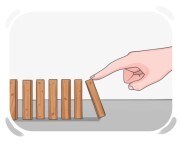
to cause a change in a person, thing, etc.
afectar
Se espera que la desaceleración económica afecte a las empresas de diversos sectores.
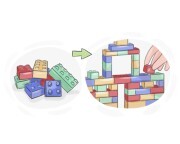
to combine parts or bring them together to create something
formar
Los artistas individuales pueden formar un colectivo para mostrar su trabajo y apoyarse mutuamente.
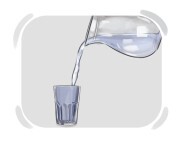
to make something full
llenar
Por favor, llena mi vaso con agua.
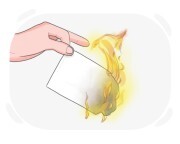
to be on fire and be destroyed by it
arder, quemar
El bosque ardió durante días, dejando tras de sí un rastro de destrucción.
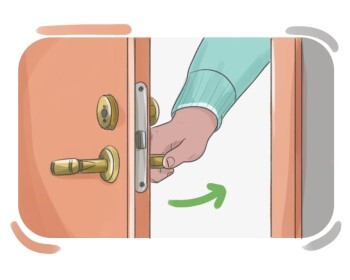
to move something like a window or door into a position that people or things cannot pass through
cerrar
Es hora de irse, así que por favor cierre su portátil y recoja sus pertenencias.

to do something for a special reason
actuar
El detective tuvo que actuar con rapidez para evitar que el sospechoso escapara.
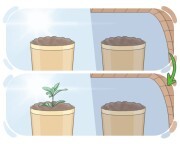
to be likely to develop or occur in a certain way because that is the usual pattern
tender a
Los patrones históricos sugieren que las recesiones económicas tienden a provocar un aumento del desempleo.
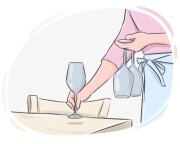
to lay or put something somewhere
poner, colocar
Por favor, coloque sus llaves en el gancho designado cerca de la entrada.
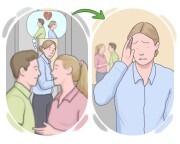
to intentionally stay away from or refuse contact with someone
evitar
La celebridad evitó a los fans usando una entrada privada.
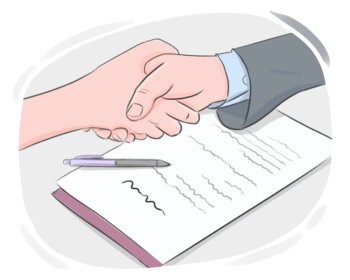
to hold the same opinion as another person about something
estar de acuerdo, concordar
Todos estamos de acuerdo en que necesitamos más recursos para el proyecto.
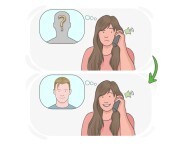
to know who a person or what an object is, because we have heard, seen, etc. them before
reconocer
El perro reconoció el olor de su dueño desde una distancia.
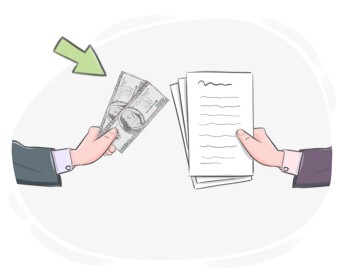
to ask a person to pay a certain amount of money in return for a product or service
cobrar, facturar
Los restaurantes en las zonas turísticas a menudo cobran más por sus comidas.
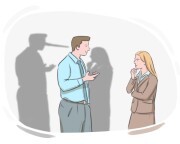
to intentionally say or write something that is not true
mentir
Ayer, ella mintió a sus padres sobre dónde iba.

to make something end
terminar, acabar
El equipo terminó la carrera en primer lugar.
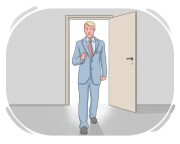
to come or go into a place
entrar
Entró en el edificio y notó inmediatamente la elegante arquitectura.
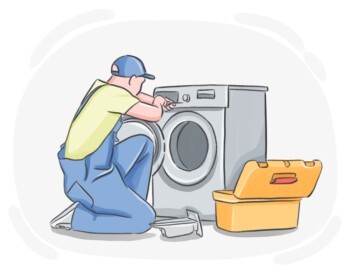
to repair something that is broken
arreglar, reparar
Ayer, él arregló la ventana rota en la sala de estar.

to take someone or something suddenly or violently
agarrar, coger
El profesor agarró al estudiante que se portaba mal por el cuello y lo escoltó fuera del aula.
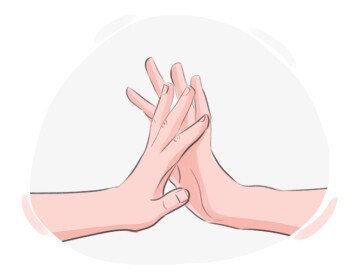
to put our hand or body part on a thing or person
tocar, rozar
Ella tocó suavemente el suave pelaje del gato.
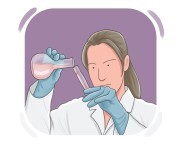
to be the first person who finds something or someplace that others did not know about
descubrir
El científico descubrió una nueva especie de planta en la selva tropical remota.
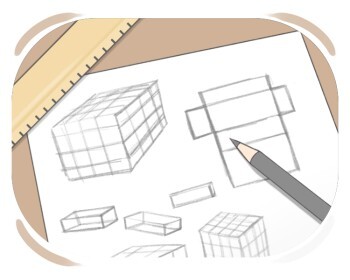
to make drawings according to which something will be constructed or produced
diseñar
Para cuando el proyecto estaba listo, ya habían diseñado todo el producto.

to have a specific flavor
saber
Ayer, el plato de pasta que hizo sabía un poco demasiado salado.
to be unsuccessful in accomplishing something
fallar, fracasar
Trabajó duro, pero al final, fracasó.

to be an image, sign, symbol, etc. of something
representar, simbolizar
La estatua en la plaza ha representado durante mucho tiempo la libertad.
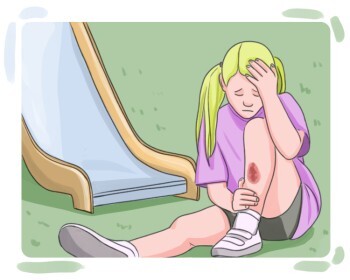
to cause injury or physical pain to yourself or someone else
hacer daño, lastimar
Me lastimé la espalda al levantar esa caja pesada.
