
500 verbes anglais les plus courants - Top 376 - 400 Verbes
Ici, vous est fournie la partie 16 de la liste des verbes les plus courants en anglais tels que "shape", "flow", et "rest".
Réviser
Flashcards
Orthographe
Quiz

to move to a higher position or rank

promouvoir
L'entreprise promouvoit les employés en fonction de leurs compétences et contributions.
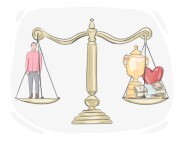
to do a particular thing or have the qualities needed for being punished or rewarded
mériter,avoir droit à
Ne pas avoir respecté les règles, il méritait la conséquence d'être temporairement suspendu de l'équipe.
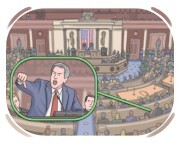
to strongly disagree with a policy, plan, idea, etc. and try to prevent or change it
s’opposer à
Elle s'est opposée aux nouvelles réglementations, arguant qu'elles étaient trop restrictives pour les petites entreprises.

to give something a particular form
modeler, sculpter, façonner, couper
L'artiste a soigneusement formé les détails de la peinture.
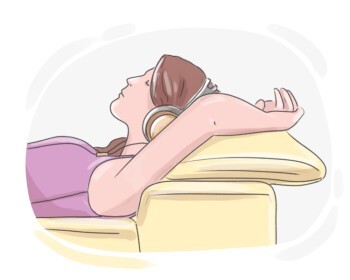
to become calmer and feel less worried, nervous, or stressed
se détendre
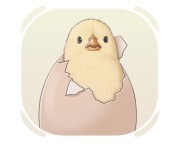
to become visible after coming out of somewhere
apparaître, sortir, émerger
Avec le passage de la tempête, les étoiles ont commencé à émerger dans le ciel nocturne.

to move smoothly and continuously in one direction, especially in a current or stream
couler, passer
Les larmes coulèrent sur ses joues alors qu'elle regardait la scène émouvante.
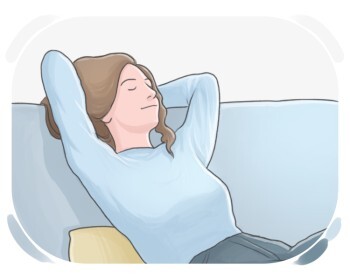
to stop working, moving, or doing an activity for a period of time and sit or lie down to relax
se reposer
Après avoir terminé le projet, elle s'est sentie soulagée et a décidé de se reposer.

to speak loudly, often associated with expressing anger or when you cannot hear what the other person is saying
crier
L'entraîneur a dû crier par-dessus la foule hurlante pendant le match de football intense.
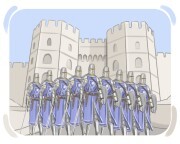
to not let any harm come to someone or something
défendre
Le super-héros était déterminé à défendre la ville contre les méchants et les menaces.

to actively take part in an activity or become involved in something
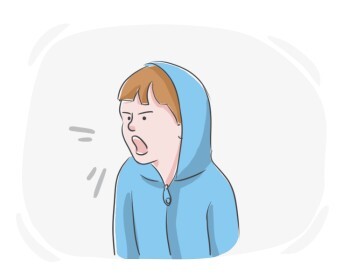
to shout or make a very loud sound, especially because of anger, pain, fear, or excitement
crier
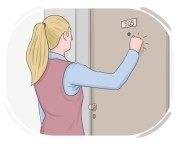
to hit a door, surface, etc. in a way to attract attention, especially expecting it to be opened
frapper, taper
Le voisin a décidé de frapper à la porte pour rendre le sucre emprunté.
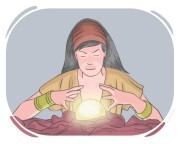
to say that something is going to happen before it actually takes place
prédire, prévoir
Les économistes prédisent une augmentation de la volatilité du marché en raison des tendances économiques actuelles.
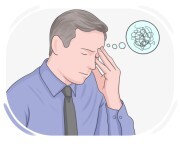
(often used in negative or question form) to be upset, offended, or bothered by something
déranger
Il supportait mal le bruit des travaux de construction à côté, car cela perturbait sa concentration.
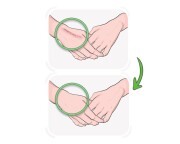
to become healthy again
guérir
Les patients reçoivent des soins médicaux pour aider les blessures à guérir correctement.

to spread or become greater in area, range, or scope
agrandir
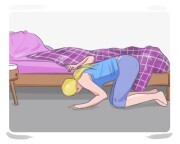
to follow someone or something by examining the marks they leave behind in order to catch them or know what they are doing
pourchasser, poursuivre
Elle a installé un dispositif GPS pour suivre sa voiture au cas où elle serait volée.
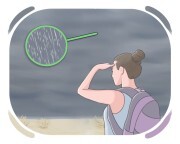
to show, point out, or suggest the existence, presence, or nature of something
indiquer, montrer
Les nuages sombres indiquent une tempête qui approche.
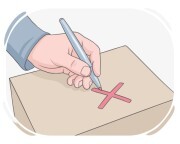
to leave a sign, line, etc. on something
marquer
Elle a soigneusement marqué les passages importants dans le manuel avec des onglets colorés.

to become divided into two or more separate parts or groups
se diviser
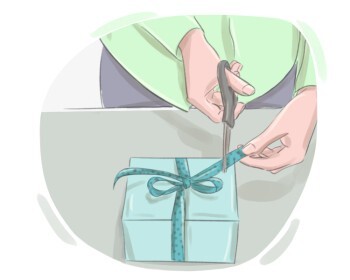
to cover or enclose something in paper, cloth, or another material
emballer
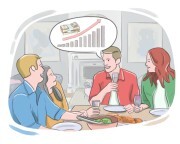
to communicate with others, particularly while spending time with them
interagir
Les plateformes de médias sociaux offrent un espace pour que les gens puissent interagir et partager leurs pensées et expériences.
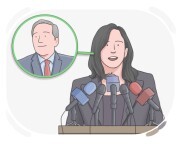
to clearly and formally express something in speech or writing
declarer
Dans son article de recherche, la scientifique a énoncé ses conclusions sur les effets du changement climatique sur la vie marine.
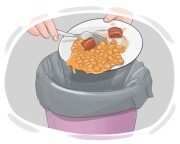
to use something without care or more than needed
gaspiller, gâcher
C'est malheureux que certaines personnes gaspillent de l'électricité en laissant les lumières allumées quand elles ne sont pas nécessaires.
