
500 Najczęstszych Angielskich Czasowników - Top 376 - 400 Czasowniki
Tutaj otrzymujesz część 16 listy najczęściej używanych czasowników w języku angielskim, takich jak "shape", "flow" i "rest".
Przegląd
Fiszki
formy
Pisownia
Test

to move to a higher position or rank

awansować, promować
Zdecydowali się awansować ją na lidera zespołu ze względu na jej zdolności przywódcze.
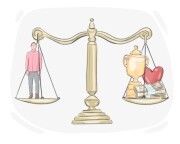
to do a particular thing or have the qualities needed for being punished or rewarded
zasługiwać, mieć prawo do
Nieuczciwe działania pracownika zasługiwały na działania dyscyplinarne ze strony firmy.
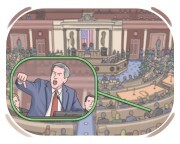
to strongly disagree with a policy, plan, idea, etc. and try to prevent or change it
sprzeciwiać się, opierać się
Sprzeciwili się decyzji firmy o obcięciu świadczeń pracowniczych, co doprowadziło do protestu.

to give something a particular form
kształtować, nadawać formę
Dłonie garncarza delikatnie ukształtowały glinę na kole garncarskim.
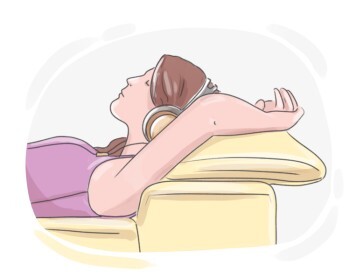
to feel less worried or stressed
relaksować się, odpoczywać
Poszła do spa, aby się zrelaksować i zrobić masaż.
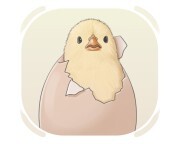
to become visible after coming out of somewhere
pojawiać się, wyłaniać się
Gdy mgła się podniosła, sylwetka starego zamku zaczęła wyłaniać się.
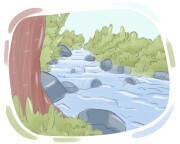
to move smoothly and continuously in one direction, especially in a current or stream
płynąć, przepływać
Wodospad płynął w dół urwiska, tworząc hipnotyzujący kaskadę wody.
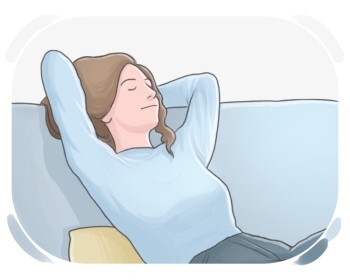
to stop working, moving, or doing an activity for a period of time and sit or lie down to relax
odpoczywać, relaksować się
Kot lubi znaleźć słoneczne miejsce, aby odpocząć i rozkoszować się ciepłem.
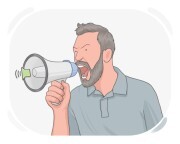
to speak loudly, often associated with expressing anger or when you cannot hear what the other person is saying
krzyczeć, wrzeszczeć
W targowym zgiełku sprzedawcy często krzyczeli, aby przyciągnąć uwagę klientów do swoich produktów.
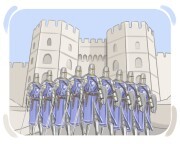
to not let any harm come to someone or something
bronić, chronić
System bezpieczeństwa został zaprojektowany, aby chronić budynek przed nieautoryzowanym dostępem.

to take part in or become involved with something actively
uczestniczyć, angażować się
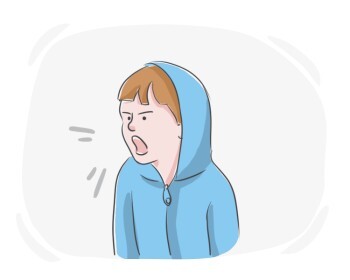
to shout very loudly
krzyczeć, wrzeszczeć
Dzieci bawiące się w parku krzyczały radośnie, ciesząc się placem zabaw.
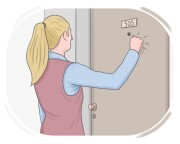
to hit a door, surface, etc. in a way to attract attention, especially expecting it to be opened
pukać, stukać
Przed wejściem do biura grzecznie jest zapukać do drzwi, aby upewnić się, że nie przerywa się spotkania.
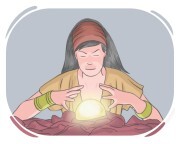
to say that something is going to happen before it actually takes place
przewidywać, prognozować
Wróżbita twierdził, że potrafi przewidywać przyszłe wydarzenia za pomocą mistycznych środków.
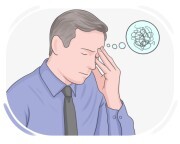
(often used in negative or question form) to be upset, offended, or bothered by something
przeszkadzać, mieć coś przeciwko
Nie przeszkadza mi, jeśli pożyczysz moją książkę, tylko proszę, oddaj ją, kiedy skończysz.
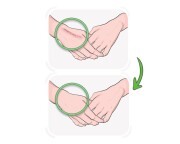
to become healthy again
goić się, uzdrawiać
Wiele osób aktywnie leczy się przy pomocy terapii.
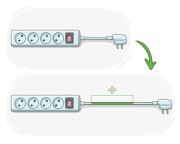
to enlarge or lengthen something
przedłużać, rozszerzać
Artysta rozszerzał płótno, aby stworzyć większy obraz.
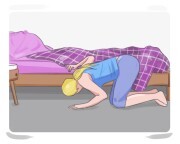
to follow someone or something by examining the marks they leave behind in order to catch them or know what they are doing
śledzić, tropić
Policja była w stanie śledzić ruchy podejrzanego dzięki nagraniom z monitoringu.
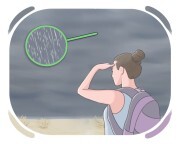
to show, point out, or suggest the existence, presence, or nature of something
wskazywać, pokazywać
Termometr wskazuje, że temperatura rośnie.
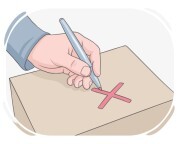
to leave a sign, line, etc. on something
zaznaczyć, oznaczyć
Sportowiec użył markera, aby zaznaczyć linię startową wyścigu.

to be divided into smaller groups or parts
dzielić, rozdzielać
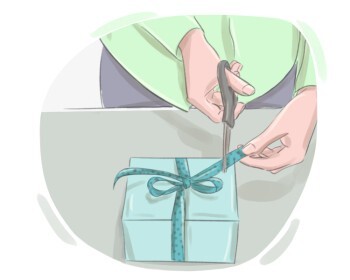
to cover an object in paper, soft fabric, etc.
owijać, pakować
Aby ją zaskoczyć, owinął nową książkę w elegancki papier pakowy i schował ją na półce.
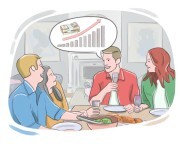
to communicate with others, particularly while spending time with them
współdziałać, komunikować się
Dzieci uwielbiają interakcję ze zwierzętami w zoo do głaskania.
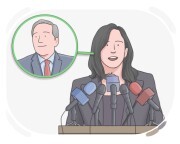
to clearly and formally express something in speech or writing
oświadczyć, wyrazić
Świadka poproszono o przedstawienie faktów zdarzenia w trakcie postępowania sądowego.
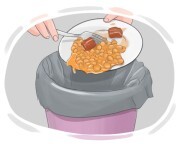
to use something without care or more than needed
marnować, trwonić
Zamiast recyklingu, zdecydował się zmarnować papier, wyrzucając go do zwykłych śmieci.
