pattern

500 Verbes Anglais Les Plus Courants - Top 426 - 450 Verbes

Ici, vous est fournie la partie 18 de la liste des verbes les plus courants en anglais tels que "échanger", "annuler" et "juger".

Réviser

Flashcards

formes

Orthographe

Quiz
Commencer à apprendre
Most Common Verbs in English Vocabulary
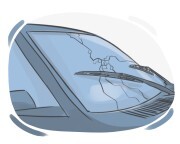
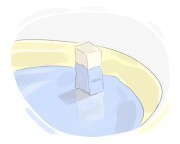
to crack
to crack
[verbe]

to break on the surface without falling into separate pieces

se fendre, se fissurer
se fendre, se fissurer

Ex: The heat caused the pavement to crack, requiring repairs to prevent further damage. 

La chaleur a provoqué la fissuration du revêtement, nécessitant des réparations pour éviter d'autres dommages.

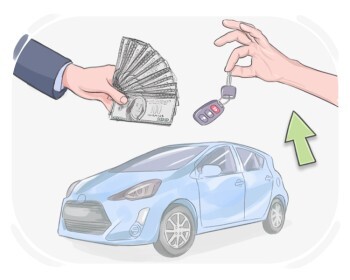
to trade
to trade
[verbe]

to buy and sell or exchange items of value

échanger, commercer
échanger, commercer

Ex: Investors often trade stocks and bonds on financial markets. 

Les investisseurs échangent souvent des actions et des obligations sur les marchés financiers.

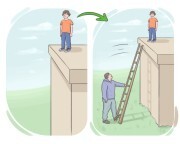
to enable
to enable
[verbe]

to give someone or something the means or ability to do something

permettre
permettre

Ex: Supportive policies enable businesses to thrive in a competitive market. 

Les politiques de soutien permettent aux entreprises de prospérer sur un marché concurrentiel.

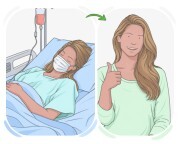
to recover
to recover
[verbe]

to regain complete health after a period of sickness or injury

récupérer, se remettre
récupérer, se remettre

Ex: Physical therapy helped him recover from a sports injury. 

La physiothérapie l'a aidé à récupérer d'une blessure sportive.

to absorb
to absorb
[verbe]

to take in energy, liquid, etc.

absorber

absorber

Ex: The sponge absorbed the spilled water from the countertop. 

L'éponge a absorbé l'eau renversée sur le comptoir.

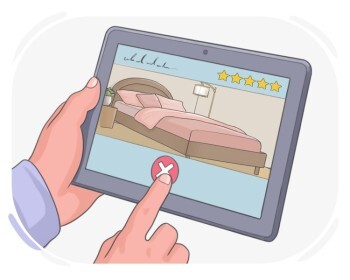
to cancel
to cancel
[verbe]

to decide or tell that something arranged before will now not happen

annuler

annuler

Ex: The event was canceled at the last minute due to inclement weather. 

L'événement a été annulé à la dernière minute en raison du mauvais temps.

to threaten

to say that one is willing to damage something or hurt someone if one's demands are not met

menacer
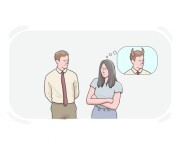
menacer

Ex: The bully threatened to beat up the smaller kid if they didn't give him their lunch money. 

Le tyran a menacé de battre le plus petit enfant s'il ne lui donnait pas son argent de déjeuner.

to judge
to judge
[verbe]

to form a decision or opinion based on what one knows

penser, estimer
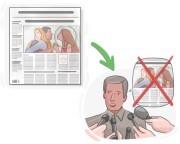
penser, estimer

Ex: He judges the candidate's qualifications before making a hiring decision. 

Il juge les qualifications du candidat avant de prendre une décision d'embauche.

to deny
to deny
[verbe]

to refuse to admit the truth or existence of something

nier
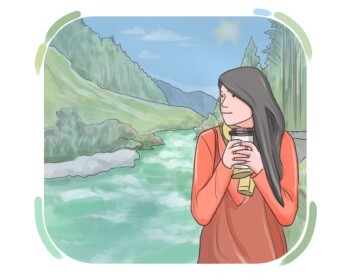
nier

Ex: The student had to deny cheating on the exam, insisting on the fairness of their answers. 

L'étudiant a dû nier avoir triché à l'examen, en insistant sur l'équité de ses réponses.

to cool
to cool
[verbe]

to become less hot and slightly colder

rafraîchir, refroidir
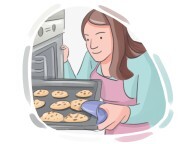
rafraîchir, refroidir

Ex: The hot soup is currently cooling on the kitchen counter. 

La soupe chaude est en train de refroidir sur le comptoir de la cuisine.

to bake
to bake
[verbe]

to cook food, usually in an oven, without any extra fat or liquid

cuire, faire cuire

cuire, faire cuire

Ex: She likes to bake bread from scratch on the weekends. 

Elle aime cuire du pain à partir de zéro le week-end.

to rule
to rule
[verbe]

to control and be in charge of a country

gouverner
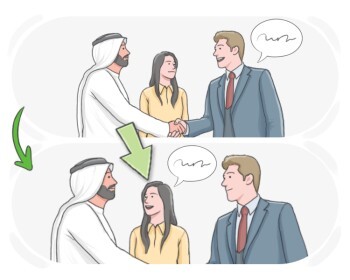
gouverner

Ex: The president ruled the nation during a time of economic prosperity. 

Le président a dirigé la nation pendant une période de prospérité économique.

to translate

to change words into another language

traduire

traduire

Ex: The students were assigned to translate a short story from French to English for their language class. 

Les étudiants ont été chargés de traduire une nouvelle du français vers l'anglais pour leur cours de langue.

to influence

to have an effect on a particular person or thing

influencer
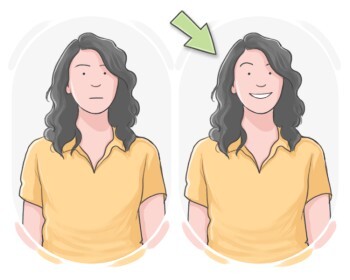
influencer

Ex: Cultural factors can influence the way individuals perceive and respond to certain situations. 

Les facteurs culturels peuvent influencer la façon dont les individus perçoivent et répondent à certaines situations.

to smile
to smile
[verbe]

to make our mouth curve upwards, often in a way that our teeth can be seen, to show that we are happy or amused

sourire

sourire

Ex: The children smiled with joy as they played in the park. 

Les enfants sourirent de joie alors qu'ils jouaient dans le parc.

to float
to float
[verbe]

to be in motion on a body of water or current of air at a slow pace

flotter

flotter

Ex: The colorful leaves detached from the trees and began to float gently down the river. 

Les feuilles colorées se détachèrent des arbres et commencèrent à flotter doucement le long de la rivière.

to edit
to edit
[verbe]

to choose and arrange the parts that are crucial to the story of a movie, show, etc. and cut out unnecessary ones

monter, éditer

monter, éditer

Ex: The television producer hired an expert to edit the pilot episode. 

Le producteur de télévision a engagé un expert pour monter l'épisode pilote.

to succeed
to succeed
[verbe]

to reach or achieve what one desired or tried for

réussir, parvenir, arriver
réussir, parvenir, arriver

Ex: Despite facing setbacks, the entrepreneur eventually succeeded in establishing a successful business. 

Malgré les revers, l'entrepreneur a finalement réussi à établir une entreprise prospère.

to pack
to pack
[verbe]

to put clothes and other things needed for travel into a bag, suitcase, etc.

faire ses valises, faire ses bagages

faire ses valises, faire ses bagages

Ex: Yesterday, she packed her suitcase for the business trip. 

Hier, elle a fait ses valises pour le voyage d'affaires.

to review
to review
[verbe]

to reconsider something, especially in order to make a decision about it or make modifications to it

réviser

réviser

Ex: The project manager will review the proposed timeline to see if any adjustments are needed to meet the deadline. 

Le chef de projet examinera le calendrier proposé pour voir si des ajustements sont nécessaires pour respecter le délai.

to conduct
to conduct
[verbe]

to direct or participate in the management, organization, or execution of something

mener, conduire
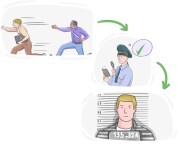
mener, conduire

Ex: Researchers will conduct experiments to test the efficacy of the new drug. 

Les chercheurs mèneront des expériences pour tester l'efficacité du nouveau médicament.

to arrest
to arrest
[verbe]

(of law enforcement agencies) to take a person away because they believe that they have done something illegal

arrêter

arrêter

Ex: Law enforcement agencies may arrest individuals suspected of drug trafficking. 

Les forces de l'ordre peuvent arrêter des individus soupçonnés de trafic de drogue.

to blame
to blame
[verbe]

to say or feel that someone or something is responsible for a mistake or problem

accuser
accuser

Ex: The parents were quick to blame the school when their child's grades dropped, overlooking the child's lack of effort. 

Les parents ont rapidement blâmé l'école lorsque les notes de leur enfant ont baissé, négligeant le manque d'effort de l'enfant.

to double
to double
[verbe]

to increase something by two times its original amount or value

doubler

doubler

Ex: Doubling 3 gives you 6. 

Doubler 3 vous donne 6.

to dance
to dance
[verbe]

to move the body to music in a special way

dancer

dancer

Ex: She loves to dance to her favorite songs. 

Elle adore danser sur ses chansons préférées.

LanGeek
Télécharger l'application LanGeek