
500 Verbos Más Comunes en Inglés - Verbos Comunes
Aquí tienes la parte 18 de la lista de los verbos más comunes en inglés como "trade", "cancel" y "judge".
Repasar
Tarjetas de memoria
Ortografía
Cuestionario
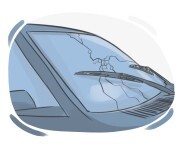
to break on the surface without falling into separate pieces

agrietar,resquebrajar
La intensa luz del sol hizo que el suelo seco se agrietara en el árido paisaje desértico.
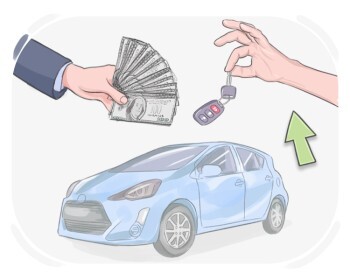
to buy and sell or exchange items of value
comerciar
Los países comercian diversos bienes y recursos para satisfacer sus necesidades económicas.
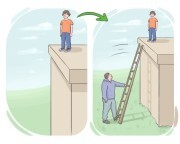
to give someone or something the means, ability, or opportunity to do something
permitir
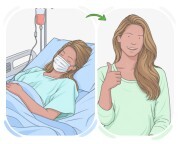
to regain complete health after a period of sickness or injury
recuperarse
El paciente se está recuperando actualmente después de la cirugía.
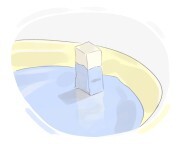
to take in a liquid, gas, or other substance, especially gradually
absorber
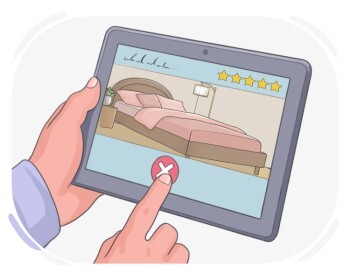
to decide or announce that a planned event or arrangement will not take place
cancelar

to say that one is willing to damage something or hurt someone if one's demands are not met
amenazar
El propietario amenazó con desalojar a los inquilinos si no pagaban el alquiler a tiempo.
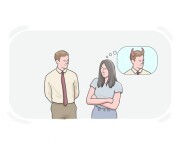
to form an opinion about someone or something after considering the available information
juzgar
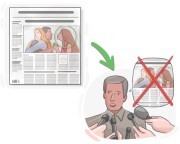
to refuse to admit the truth or existence of something
negar
A pesar de los testimonios, el acusado optó por negar cualquier irregularidad en el tribunal.
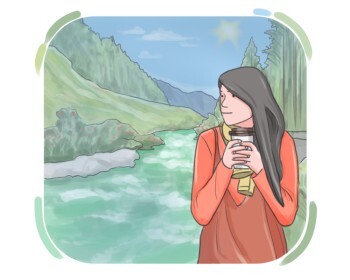
to become less hot and slightly colder
enfriarse
A medida que el sol se pone, la temperatura exterior enfriará.
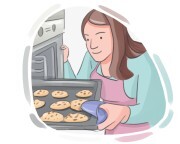
to cook food, usually in an oven, without any extra fat or liquid
hornear, cocer
Hornea las pechugas de pollo en el horno hasta que estén bien cocidas y doradas.

to control and be in charge of a country
gobernar
El dictador gobernaba el país con mano de hierro, reprimiendo la disidencia.
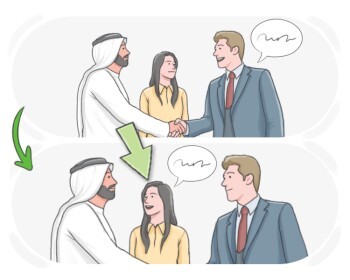
to express words or text in another language
traducir
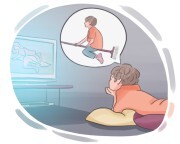
to have an effect on a particular person or thing
influenciar, influir
Las experiencias educativas durante la infancia pueden influir significativamente en el desarrollo cognitivo.
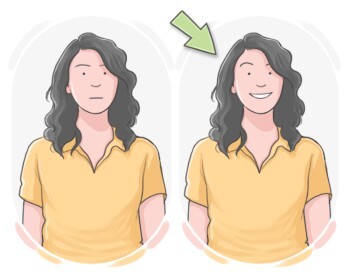
to make our mouth curve upwards, often in a way that our teeth can be seen, to show that we are happy or amused
sonreír
La fotografía capturó el momento perfectamente mientras sonreían juntos en su día de boda.
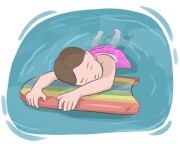
to move slowly and gently on water or through the air
flotar
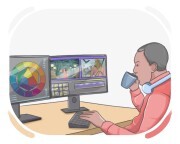
to select, arrange, and remove parts of recorded material to prepare a film, television program, or other recording for presentation
editar, montar
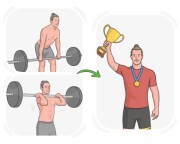
to reach or achieve what one desired or tried for
tener éxito, triunfar, lograr
La determinación y el trabajo duro del estudiante le permitieron lograr aprobar el examen desafiante.
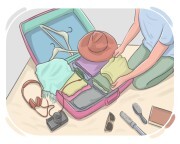
to put clothes and other things needed for travel into a bag, suitcase, etc.
empacar,hacer las maletas, hacer la maleta
Actualmente están haciendo las maletas para el viaje de fin de semana.

to reconsider something, especially in order to make a decision about it or make modifications to it
revisar
Después de recibir comentarios de los clientes, el equipo de desarrollo del producto revisará el diseño para abordar cualquier problema de usabilidad.

to direct or participate in the management, organization, or execution of something
llevar
Como coordinadora del evento, ella dirigirá la planificación y ejecución de la conferencia.
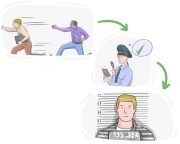
(of law enforcement agencies) to take a person away because they believe that they have done something illegal
arrestar
Las autoridades tienen el poder de arrestar a quienes son sorprendidos en el acto de cometer un crimen.
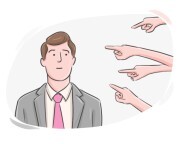
to say or feel that someone or something is responsible for a mistake or problem
culpar, echar la culpa a
La investigación no reveló evidencia para culpar a la empresa por la falla inesperada del equipo.
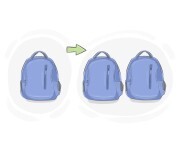
to increase something by two times its original amount or value
doblar, doblarse
Ella duplicó sus ahorros al apartar una parte de su sueldo cada mes.
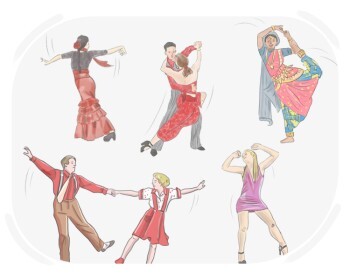
to move the body to music in a special way
bailar
Los bailarines bailan al unísono con la música de ritmo rápido.
