
Le livre Face2Face - Pré-intermédiaire - Unité 8 - 8C
Ici, vous trouverez le vocabulaire de l'Unité 8 - 8C dans le manuel Face2Face Pre-Intermediate, comme "expect", "avoid", "interrupt", etc.
Réviser
Flashcards
formes
Orthographe
Quiz
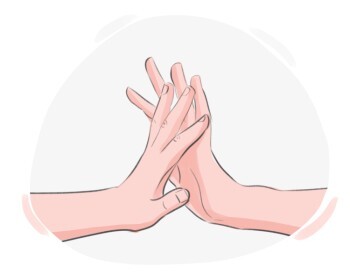
to put our hand or body part on a thing or person

toucher
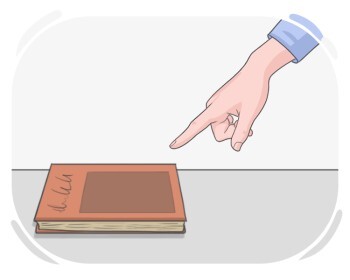
to show the place or direction of someone or something by holding out a finger or an object
montrer (du doigt), indiquer
to think or believe that it is possible for something to happen or for someone to do something
s’attendre à, attendre
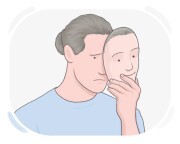
to appear to be or do something particular
sembler
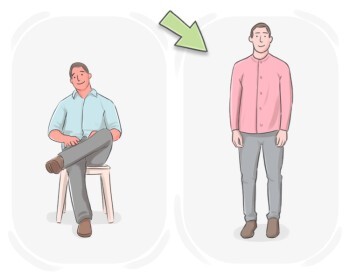
to be upright on one's feet
se tenir debout

to temporarily stop the progress of an activity, process, or event
interrompre
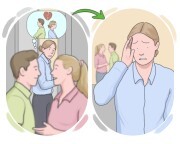
to intentionally stay away from or refuse contact with someone
éviter
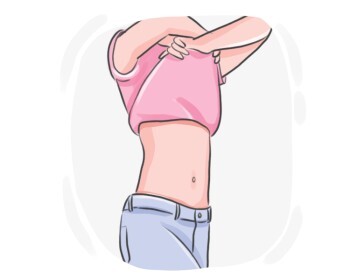
to remove a piece of clothing or accessory from your or another's body
enlever un vêtement ou accessoire, retirer quelque chose de son corps ou de celui d'un autre
Avant de nager, assurez-vous d'enlever vos bijoux.
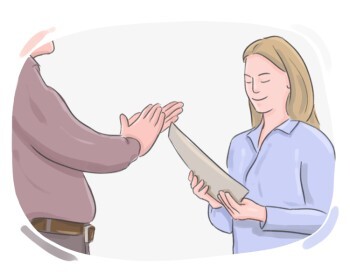
to respect and approve of someone or something because of their qualities, achievements, or actions
admirer
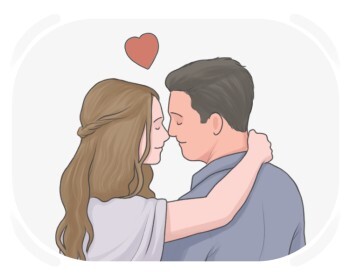
to have very strong feelings for someone or something that is important to us and we like a lot and want to take care of
adorer
to decide on and make arrangements or preparations for something ahead of time
planifier, prévoir
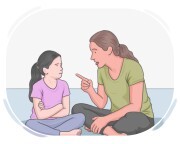
used to say what is suitable, right, etc., particularly when one is disapproving of something
devoir [au conditionnel]
Dans un cadre professionnel, les employés devraient respecter le code de conduite de l'entreprise.
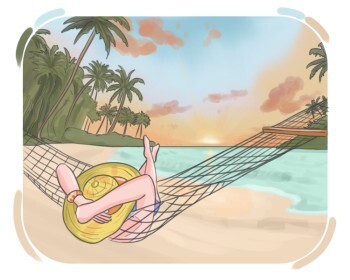
to take pleasure or find happiness in something or someone
jouir de
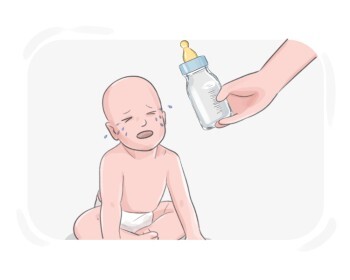
to want something or someone that we must have if we want to do or be something
avoir besoin

used to express that something is possible or may happen, exist, or be true
pouvoir, être capable de
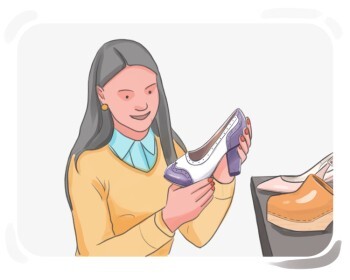
to feel that someone or something is good, enjoyable, or interesting
aimer, aimer bien, apprécier
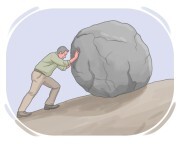
to make an effort or attempt to do or have something
essayer
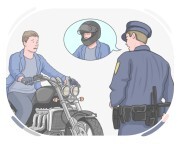
used to show that something is very important and needs to happen
devoir, être dans l'obligation, il faut absolument que + [subjonctif]
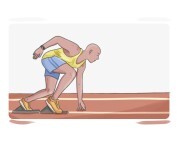
to begin something new and continue doing it, feeling it, etc.
commencer
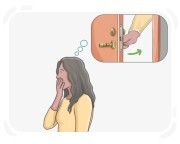
to bring a type of information from the past to our mind again
se rappeler, se souvenir de
used to express a possibility
pouvoir

to make something end
finir
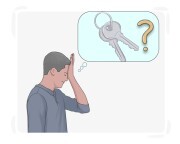
to not be able to remember something or someone from the past
oublier
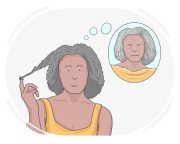
used for forming future tenses
[futur simple], vouloir
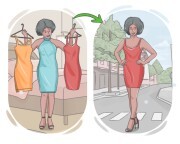
to think carefully about different things and choose one of them
décider
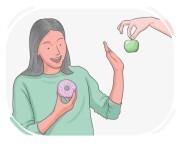
to want or choose one person or thing instead of another because of liking them more
préférer
| Le livre Face2Face - Pré-intermédiaire | |||
|---|---|---|---|
| Unité 8 - 8B | Unité 8 - 8C | Unité 8 - 8D | Unité 9 - 9A |
| Unité 9 - 9B | Unité 9 - 9C | Unité 10 - 10A | Unité 10 - 10B |
| Unité 10 - 10D | Unité 11 - 11A | Unité 11 - 11B | Unité 11 - 11C |
| Unité 12 - 12A | Unité 12 - 12B | ||
