pattern

Könyv: Face2Face - Középhaladó - Egység 8 - 8C

Itt találod a 8. egység - 8C szókincsét a Face2Face Pre-Intermediate tankönyvből, mint például "expect", "avoid", "interrupt" stb.

Áttekintés

Villámkártyák

alakok

Betűzés

Kvíz
Indítsa el a tanulást
Face2Face - Pre-intermediate
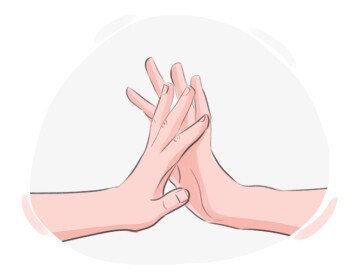
to touch

to put our hand or body part on a thing or person

megérint, érint
megérint, érint

Ex: She gently touched her friend's arm to offer comfort and support. 

Gyengéden megérintette a barátnője karját, hogy vigaszt és támogatást nyújtson.

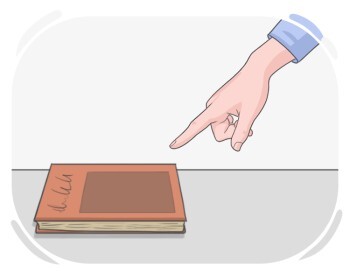
to point

to show the place or direction of someone or something by holding out a finger or an object

mutat, jelez

mutat, jelez

Ex: Teachers often point to the whiteboard to explain concepts. 

A tanárok gyakran mutatnak a fehér táblára, hogy magyarázzák a fogalmakat.

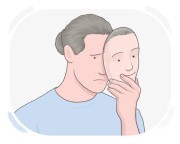
to expect

to think or believe that it is possible for something to happen or for someone to do something

elvár, előre jelez
elvár, előre jelez

Ex: As a manager, it's important to clearly communicate what you expect from your team. 

Menedzserként fontos, hogy egyértelműen kommunikáld, mit vársz el a csapatodtól.

to seem
to seem
[ige]

to appear to be or do something particular

tűnik, látszik
tűnik, látszik

Ex: It may seem like a lot of work, but the end result will be rewarding. 

Sok munka tűnhet, de a végeredmény kifizetődő lesz.

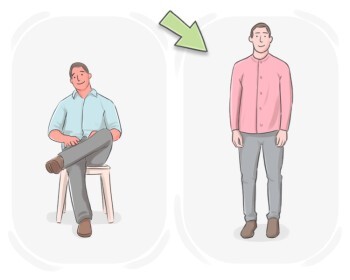
to stand

to be upright on one's feet

áll, egyenesen áll

áll, egyenesen áll

Ex: I usually stand in front of the mirror to comb my hair. 

Általában a tükör előtt állok, hogy fésüljem a hajam.

to interrupt

to stop or pause a process, activity, etc. temporarily

megszakít, leállít

megszakít, leállít

Ex: He interrupted the lecture to clarify a point. 

Megszakította az előadást, hogy tisztázzon egy pontot.

to avoid

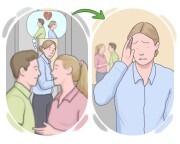
to intentionally stay away from or refuse contact with someone

kerül, elkerül

kerül, elkerül

Ex: She avoided her neighbors after their recent argument. 

Kerülte a szomszédait a legutóbbi vitájuk után.

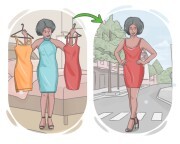
to take off

to remove a piece of clothing or accessory from your or another's body

levesz, levet

levesz, levet

Ex: Before swimming, make sure to take off your jewelry. 

Úszás előtt győződjön meg arról, hogy leveszi az ékszereit.
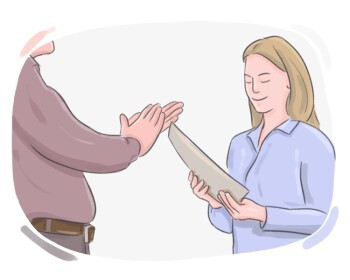
to admire

to express respect toward someone or something often due to qualities, achievements, etc.

csodál

csodál

Ex: Many people admire the artist for their ability to create beautiful and meaningful works of art. 

Sokan csodálják a művészt a gyönyörű és jelentőségteljes műalkotások létrehozásának képessége miatt.

to love
to love
[ige]

to have very strong feelings for someone or something that is important to us and we like a lot and want to take care of

szeret, imád

szeret, imád

Ex: He loves his grandparents deeply and visits them often. 

Mélyen szereti a nagyszüleit és gyakran látogatja őket.

to plan
to plan
[ige]

to decide on and make arrangements or preparations for something ahead of time

tervez, előkészít
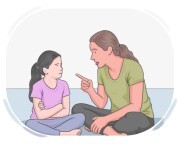
tervez, előkészít

Ex: Months before the wedding, they planned every detail to perfection. 

Hónapokkal az esküvő előtt minden részletet tökélyre terveztek.

should
should
[ige]

used to say what is suitable, right, etc., particularly when one is disapproving of something

kellene, kéne

kellene, kéne

Ex: In a professional setting, employees should adhere to the company's code of conduct. 

Egy professzionális környezetben a munkavállalóknak be kell tartaniuk a vállalat viselkedési kódexét.

to enjoy

to take pleasure or find happiness in something or someone

élvez, szeret
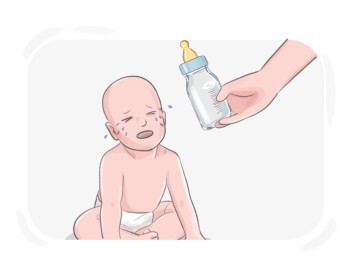
élvez, szeret

Ex: We enjoyed a delicious meal at the new restaurant in town. 

Élveztük egy finom ételt az új városi étteremben.

to need
to need
[ige]

to want something or someone that we must have if we want to do or be something

szüksége van, igényel

szüksége van, igényel

Ex: I need music to help me focus when I work. 

Zene kell, hogy segítsen összpontosítani, amikor dolgozom.

can
can
[ige]

used to express that something is possible or may happen, exist, or be true

tud, képes
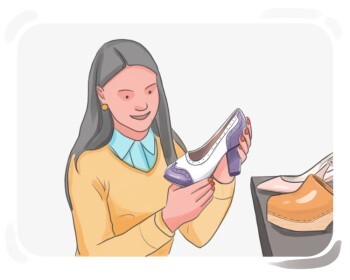
tud, képes

Ex: That can't be the answer to the problem. 

Az lehet, hogy nem a válasz a problémára.

to like
to like
[ige]

to feel that someone or something is good, enjoyable, or interesting

kedvel, élvez
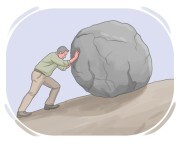
kedvel, élvez

Ex: Despite everything I did for him, I don't think he likes me. 

Mindent megtettem érte, de nem hiszem, hogy kedvel engem.

to try
to try
[ige]

to make an effort or attempt to do or have something

megpróbál, igyekszik
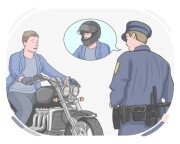
megpróbál, igyekszik

Ex: I'm going to try to study for my exam. 

Meg fogok próbálni tanulni a vizsgámra.

must
must
[ige]

used to show that something is very important and needs to happen

kell, muszáj

kell, muszáj

Ex: Employees must attend the mandatory training session next week. 

A munkavállalóknak kötelező részt venniük a jövő heti kötelező képzésen.

to start

to begin something new and continue doing it, feeling it, etc.

kezdeni, elindítani
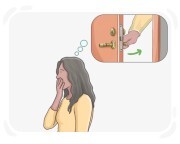
kezdeni, elindítani

Ex: I started learning a new language last month. 

Előző hónapban kezdtem el tanulni egy új nyelvet.

to remember

to bring a type of information from the past to our mind again

emlékezik, eszébe jut

emlékezik, eszébe jut

Ex: I remember the day we first met; it was a sunny afternoon. 

Emlékszem arra a napra, amikor először találkoztunk; egy napos délután volt.

might
might
[ige]

used to express a possibility

lehet, talán

lehet, talán

Ex: We might go to the beach if the weather is nice. 

Elmehetnénk a strandra, ha szép idő lesz.

to finish

to make something end

befejez, végez

befejez, végez

Ex: The chef finished plating the dish and served it to the customers. 

A séf befejezte az étel tálalását, és felszolgálta a vendégeknek.

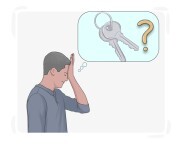
to forget

to not be able to remember something or someone from the past

elfelejt, nem emlékszik
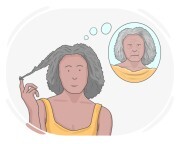
elfelejt, nem emlékszik

Ex: Try not to forget the main points of your presentation. 

Próbálja meg nem elfelejteni az előadásának főbb pontjait.

will
will
[ige]

used for forming future tenses

fogok, lesz

fogok, lesz

Ex: She will visit her grandparents next weekend. 

Ő meglátogatja a nagyszüleit a jövő hétvégén.

to decide

to think carefully about different things and choose one of them

dönt, eldönt
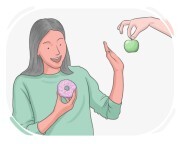
dönt, eldönt

Ex: After much debate, they decided to go on a road trip. 

Hosszas vita után úgy döntöttek, hogy útnak indulnak.

to prefer

to want or choose one person or thing instead of another because of liking them more

előnyben részesít, jobban szeret

előnyben részesít, jobban szeret

Ex: Many people prefer to eat homemade meals over fast food. 

Sokan inkább házi készítésű ételeket esznek, mint gyorsételt.

LanGeek
LanGeek alkalmazás letöltése