pattern

本 Face2Face - 初中級 - ユニット8 - 8C

ここでは、Face2Face Pre-Intermediateコースブックのユニット8 - 8Cからの語彙を見つけることができます。例えば"expect"、"avoid"、"interrupt"など。

レビュー

フラッシュカード

語形

綴り

クイズ

学習を開始
Face2Face - Pre-intermediate
to touch
to touch
[動詞]

to put our hand or body part on a thing or person

触れる, 触る
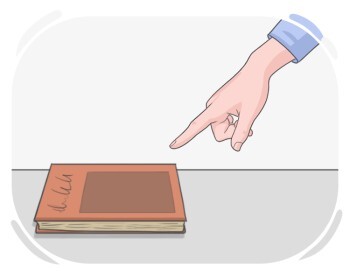
触れる, 触る

Ex: Please don't touch the fragile glass display. 

壊れやすいガラスディスプレイに触れないでください。

to point
to point
[動詞]

to show the place or direction of someone or something by holding out a finger or an object

指す, 示す
指す, 示す

Ex: Last week, the lifeguard pointed to the safest area for swimming. 

先週、ライフガードは泳ぐのに最も安全な場所を指し示しました

to expect
to expect
[動詞]

to think or believe that it is possible for something to happen or for someone to do something

期待する, 予想する
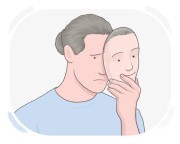
期待する, 予想する

Ex: The weather forecast led us to expect rain this weekend. 

天気予報により、私たちは今週末雨を 予想 するようになりました。

to seem
to seem
[動詞]

to appear to be or do something particular

思われる, 見える
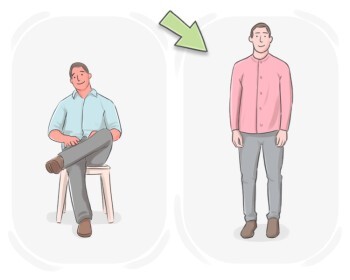
思われる, 見える

Ex: Surprising as it may seem, I actually enjoy doing laundry. 

驚くべきことに、私は実際に洗濯をするのが好きです。

to stand
to stand
[動詞]

to be upright on one's feet

立つ, 直立する

立つ, 直立する

Ex: He likes to stand on the balcony to feel the breeze. 

彼はバルコニーに立って風を感じるのが好きです。

to interrupt
to interrupt
[動詞]

to stop or pause a process, activity, etc. temporarily

中断する, 遮る

中断する, 遮る

Ex: She interrupted the meeting to ask a question. 

彼女は質問をするために会議を中断しました。

to avoid
to avoid
[動詞]

to intentionally stay away from or refuse contact with someone

避ける, 回避する
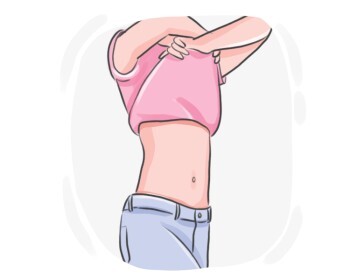
避ける, 回避する

Ex: To prevent a confrontation, he tried to avoid his ex-girlfriend at the party. 

対立を避けるために、彼はパーティーで元ガールフレンドを避けようとした。

to take off
to take off
[動詞]

to remove a piece of clothing or accessory from your or another's body

脱ぐ, 取り外す

脱ぐ, 取り外す

Ex: After a long day at work, I like to take off my high heels. 

長い一日の仕事の後、私はハイヒールを脱ぐのが好きです。

to admire
to admire
[動詞]

to express respect toward someone or something often due to qualities, achievements, etc.

賞賛する

賞賛する

Ex: She admires her grandmother for her wisdom and strength in facing life's challenges. 

彼女は人生の挑戦に直面する祖母の知恵と強さを賞賛しています。

to love
to love
[動詞]

to have very strong feelings for someone or something that is important to us and we like a lot and want to take care of

愛する, 大好きだ

愛する, 大好きだ

Ex: He loves his dog, Max, and takes him for long walks every day. 

彼は自分の犬、マックスを愛していて、毎日長い散歩に連れて行きます。

to plan
to plan
[動詞]

to decide on and make arrangements or preparations for something ahead of time

計画する, 準備する
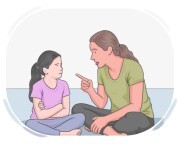
計画する, 準備する

Ex: They planned the trip months in advance to ensure everything was in place. 

彼らはすべてが整っていることを確認するために、数か月前に旅行を計画しました。

should
should
[動詞]

used to say what is suitable, right, etc., particularly when one is disapproving of something

べきだ, はずだ

べきだ, はずだ

Ex: You should always show respect to your elders. 

あなたは常に年上の人に敬意を払うべきです

to enjoy
to enjoy
[動詞]

to take pleasure or find happiness in something or someone

楽しむ, 好む
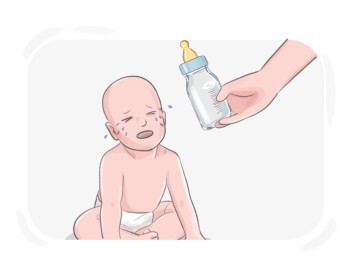
楽しむ, 好む

Ex: She enjoys listening to classical music while working. 

彼女は仕事をしながらクラシック音楽を聴くことを楽しんでいます

to need
to need
[動詞]

to want something or someone that we must have if we want to do or be something

必要とする, 要する

必要とする, 要する

Ex: Do you need any help with your project? 

プロジェクトの手助けが必要ですか?

can
can
[動詞]

used to express that something is possible or may happen, exist, or be true

できる, 可能である
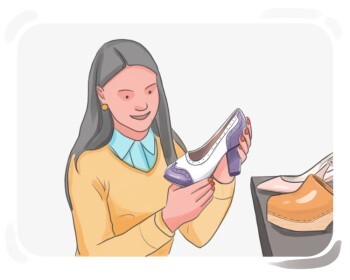
できる, 可能である

Ex: Accidents can occur even with the best precautions. 

事故は最善の予防策を講じていても 起こり得る

to like
to like
[動詞]

to feel that someone or something is good, enjoyable, or interesting

好き, 楽しむ
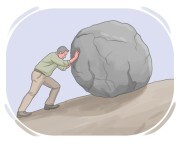
好き, 楽しむ

Ex: He doesn't like the feeling of being rushed. 

彼は急がされる感じが好きではありません。

to try
to try
[動詞]

to make an effort or attempt to do or have something

試みる, 努力する
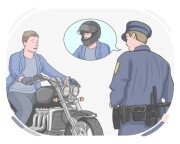
試みる, 努力する

Ex: He tried to lift the heavy box but it was too heavy. 

彼は重い箱を持ち上げようとしたが、重すぎた。

must
must
[動詞]

used to show that something is very important and needs to happen

しなければならない, する必要がある
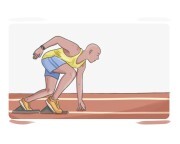
しなければならない, する必要がある

Ex: Students must submit their applications before the deadline. 

学生は締め切り前に申請書を必ず提出しなければなりません。

to start
to start
[動詞]

to begin something new and continue doing it, feeling it, etc.

始める, 開始する
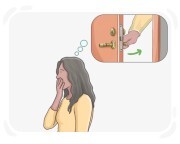
始める, 開始する

Ex: He started singing along to the song on the radio. 

彼はラジオの歌に合わせて歌い始めた。

to remember
to remember
[動詞]

to bring a type of information from the past to our mind again

覚える, 思い出す

覚える, 思い出す

Ex: Can you remember the name of the book we were talking about? 

私たちが話していた本の名前を覚えていますか?

might
might
[動詞]

used to express a possibility

かもしれない, 多分

かもしれない, 多分

Ex: He might be able to help you with your project. 

彼はあなたのプロジェクトを手伝うことができるかもしれません

to finish
to finish
[動詞]

to make something end

終える, 完了する

終える, 完了する

Ex: He finished painting the walls and admired his work. 

彼は壁の塗装を終え、自分の仕事を賞賛した。

to forget
to forget
[動詞]

to not be able to remember something or someone from the past

忘れる, 覚えていない
忘れる, 覚えていない

Ex: It's easy to forget passwords, so it's essential to use a secure system. 

パスワードを忘れるのは簡単なので、安全なシステムを使用することが不可欠です。

will
will
[動詞]

used for forming future tenses

するつもり, でしょう

するつもり, でしょう

Ex: I will finish my homework before dinner. 

私は夕食前に宿題を終わらせるでしょう

to decide
to decide
[動詞]

to think carefully about different things and choose one of them

決める, 決定する

決める, 決定する

Ex: He had to decide whether to accept the job offer. 

彼はその仕事のオファーを受けるかどうか決断しなければならなかった。

to prefer
to prefer
[動詞]

to want or choose one person or thing instead of another because of liking them more

好む, 選ぶ

好む, 選ぶ

Ex: She prefers the blue dress for the party because it's her favorite color. 

彼女はパーティーに青いドレスを好む、なぜならそれが彼女の好きな色だから。

LanGeek
LanGeekアプリをダウンロード