
Le livre Total English - Intermédiaire - Unité 4 - Référence - Partie 1
Ici, vous trouverez le vocabulaire de l'Unité 4 - Référence - Partie 1 du manuel Total English Intermediate, comme "hériter", "abandonner", "sagement", etc.
Réviser
Flashcards
formes
Orthographe
Quiz
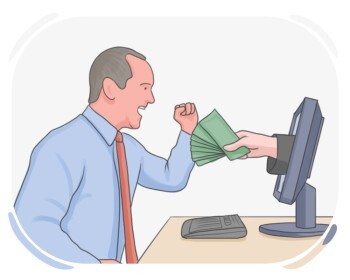
to get money for the job that we do or services that we provide

gagner, mériter
Il cherche un travail à temps partiel pour gagner un peu d'argent supplémentaire.
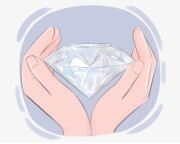
the worth of something in money
valeur
La valeur du vase antique a été estimée à 5000 $.

to use time or resources in a careful and frugal way, avoiding waste
économiser, épargner
Malgré la tentation, elle épargne lorsqu'il s'agit d'achats impulsifs, préférant économiser pour des objectifs futurs.
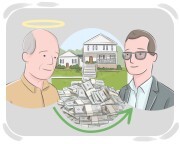
to receive money, property, etc. from someone who has passed away
hériter
Il a été surpris d'hériter d'une vaste collection de livres rares de son oncle.

to spend money or resources with the intention of gaining a future advantage or return
investir
Elle investit régulièrement en actions pour constituer un patrimoine à long terme.
the amount of something that equals a certain value or is enough to last for a set period of time
valeur, montant
Ils ont rempli la voiture avec l'équivalent d'un plein de carburant.
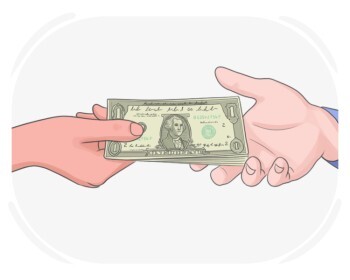
to give someone something, like money, expecting them to give it back after a while
prêter
Peux-tu me prêter ton vélo pour un rapide trajet jusqu'au magasin ?

to take something from someone or somewhere without permission or paying for it
voler
Hier, quelqu'un a volé mon déjeuner dans le frigo du bureau.
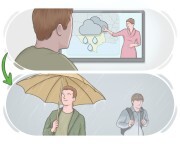
in a manner that reflects intelligence, good judgment, and experience
sagement, de manière avisée
Il a sagement choisi de s'éloigner de la confrontation.
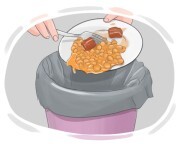
to use something without care or more than needed
gaspiller, gâcher
C'est malheureux que certaines personnes gaspillent de l'électricité en laissant les lumières allumées quand elles ne sont pas nécessaires.

to end a relationship, typically a romantic or sexual one
rompre, se séparer
J'ai immédiatement rompu avec mon petit ami quand j'ai découvert qu'il me trompait.
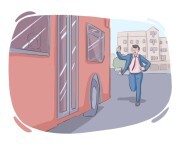
to go faster and reach someone or something that is ahead
rattraper
Le coureur a fourni un effort supplémentaire pour rattraper le peloton après une brève pause.
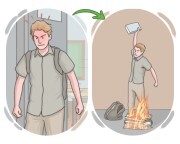
to stop going to school, university, or college before finishing one's studies
abandonner, se retirer
Les contraintes financières l'ont forcé à abandonner l'université et à chercher un emploi.
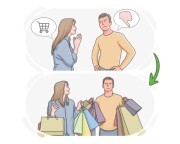
to eventually reach or find oneself in a particular place, situation, or condition, often unexpectedly or as a result of circumstances
finir
Je n'avais pas l'intention d'acheter quoi que ce soit, mais j'ai fini par quitter le magasin avec un sac plein d'articles.

to change from being a child into an adult little by little
grandir
Ma sœur grandit si vite.
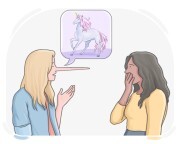
to create a false or fictional story or information
inventer
L'écrivain a inventé un roman fantastique sur les dragons et les elfes.
to acquire a new skill or language through practice and application rather than formal instruction
acquérir, apprendre sur le tas
Vous seriez surpris de voir à quelle vitesse les enfants apprennent les nouvelles technologies.

to exercise in order to get healthier or stronger
faire du sport, faire de l'exercice
Nous devons trouver le temps de faire de l'exercice ensemble et nous motiver mutuellement.

trying or wishing to gain great success, power, or wealth
ambitieux
Elle est une entrepreneuse ambitieuse, cherchant constamment de nouvelles opportunités pour étendre son empire commercial.

having an attractive and pleasing quality
charmant

having a strong belief in one's abilities or qualities
sûr de soi, assuré, confiant
Je suis confiant que nous pouvons terminer le projet à temps.
having or displaying a strong will to achieve a goal despite the challenges or obstacles
obstiné
Il est resté déterminé à apprendre une nouvelle langue, s'entraînant tous les jours.

having an excessive focus on oneself and one's own interests, often at the expense of others
égocentrique, vaniteux
Elle a paru égocentrique, parlant constamment de ses propres réalisations.
making exaggerated or overly ambitious claims, promises, or statements that are often not grounded in reality
excessif
Le politicien a fait des déclarations extravagantes sur l'économie, mais elles ont été rapidement réfutées par des experts.
capable of adjusting easily to different situations, circumstances, or needs
flexible, souple
Un état d'esprit flexible aide à naviguer dans les défis imprévus au travail.
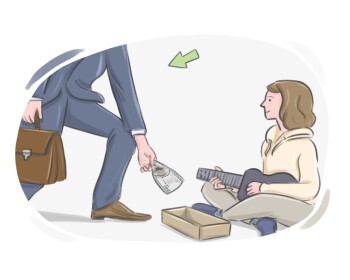
having a willingness to freely give or share something with others, without expecting anything in return
généreux
Malgré des difficultés financières, il est resté généreux, partageant le peu qu'il avait avec ceux qui étaient moins fortunés.
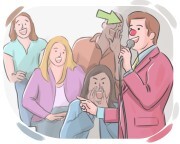
one's ability to say funny things or be amused by jokes and other things meant to make one laugh
sens de l'humour, humour
Il faut avoir le sens de l'humour pour survivre dans ce bureau.
a positive quality or attribute that enhances or enriches the overall value or effectiveness of a person or thing
force, atout
a flaw, defect, or vulnerable point in something or someone
faiblesse, point faible
La malhonnêteté est une faiblesse dans un caractère par ailleurs fort.
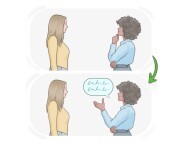
to use words and our voice to show what we are thinking or feeling
dire
Elle dit qu'elle a besoin d'un peu d'espace pour réfléchir.

to use words and give someone information
dire
Elle a raconté à sa famille son offre d'emploi passionnante.
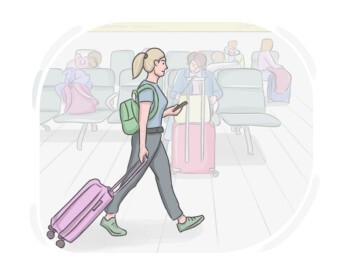
the act of going to a different place, usually a place that is far
voyage
Elle adore voyager, surtout vers des endroits éloignés et inexplorés.
a journey that you take for fun or a particular reason, generally for a short amount of time
voyage
Il a fait ses valises pour un voyage d'affaires d'une semaine pour assister à une conférence.
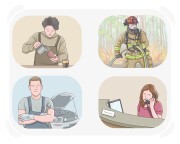
something that we do regularly to earn money
travail
Il cherche un travail à temps partiel pour compléter ses revenus.
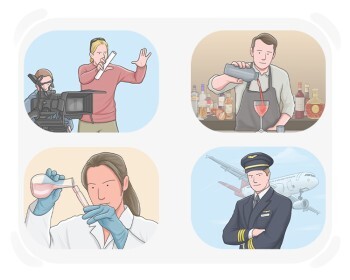
the work that we do regularly to earn money
emploi, travail
Il étudie dur pour obtenir un bon emploi à l'avenir.
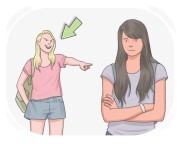
(of a person) behaving in a way that is unkind or cruel
méchant
Il a montré son côté méchant en se moquant de l'apparence de son collègue dans son dos.

to use the available supply of something, leaving too little or none
être à court de, manquer de
La petite ville pourrait manquer de fournitures médicales si elle n'est pas réapprovisionnée.
