
Książka Total English - Średnio zaawansowany - Jednostka 4 - Odniesienie - Część 1
Tutaj znajdziesz słownictwo z Unitu 4 - Odniesienie - Część 1 w podręczniku Total English Intermediate, takie jak "dziedziczyć", "rezygnować", "mądrze" itp.
Przegląd
Fiszki
formy
Pisownia
Test


to get money for the job that we do or services that we provide

zarabiać, otrzymywać
Ona zarabia dodatkowe pieniądze, udzielając korepetycji w weekendy.
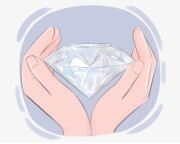
the worth of something in money
wartość, cena
Akcje firmy gwałtownie spadły, co sprawiło, że akcjonariusze zaczęli się martwić o wartość swoich inwestycji.

to use time or resources in a careful and frugal way, avoiding waste
oszczędzać, gospodarować
Korzystając z wspólnego samochodu, udało im się oszczędzić swoje finanse na inne ważne potrzeby.

to receive money, property, etc. from someone who has passed away
dziedziczyć, otrzymać w spadku
Postanowiła przekazać część pieniędzy, które odziedziczyła, na cel charytatywny.

to spend money or resources with the intention of gaining a future advantage or return
inwestować, lokować
Firma zainwestowała duże środki w badania i rozwój.
the amount of something that equals a certain value or is enough to last for a set period of time
wartość, ilość
Niosli wartość jednego dnia wody na wędrówce.
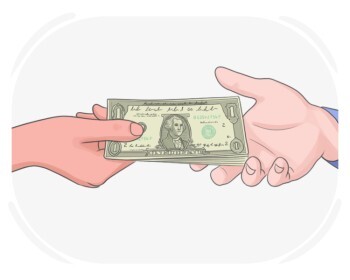
to give someone something, like money, expecting them to give it back after a while
pożyczać, wypożyczać
Biblioteka z przyjemnością wypożycza książki swoim członkom na określony okres.

to take something from someone or somewhere without permission or paying for it
kraść, zwędzić
Ostatniej nocy ktoś ukradł mój rower z przedniego ogrodu.
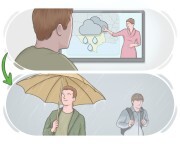
in a manner that reflects intelligence, good judgment, and experience
mądrze, rozsądnie
Mądrze czekała na odpowiedni moment, aby przemówić.

to use something without care or more than needed
marnować, trwonić
Zamiast recyklingu, zdecydował się zmarnować papier, wyrzucając go do zwykłych śmieci.

to end a relationship, typically a romantic or sexual one
zerwać, zakończyć związek
Zdecydowali się zerwać po dwóch latach randkowania.

to go faster and reach someone or something that is ahead
dogonić, nadrobić
Samochód przyspieszył, próbując dogonić pędzący motocykl.
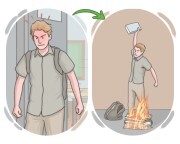
to stop going to school, university, or college before finishing one's studies
porzucić, zrezygnować
Niektórzy studenci mogą zdecydować się na rezygnację, jeśli okaże się, że wybrany przez nich kurs nie jest zgodny z ich zainteresowaniami.

to eventually reach or find oneself in a particular place, situation, or condition, often unexpectedly or as a result of circumstances
skończyć, znaleźć się
Czasami życie przybiera nieoczekiwane zwroty akcji i możesz skończyć w karierze, której początkowo nie brałeś pod uwagę.

to change from being a child into an adult little by little
dorastać, stawać się dorosłym
Ona planuje przeprowadzkę do miasta, w którym dorastała.
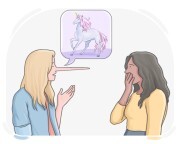
to create a false or fictional story or information
wymyślać, zmyślać
Oszust wymyślił fałszywą tożsamość, aby oszukać ludzi.
to acquire a new skill or language through practice and application rather than formal instruction
nabywać, uczyć się poprzez praktykę
Nigdy nie uczęszczając na formalne zajęcia, nauczył się grać na gitarze, ćwicząc z przyjaciółmi.

to exercise in order to get healthier or stronger
trenować, ćwiczyć
Staram się ćwiczyć przynajmniej trzy razy w tygodniu dla lepszego zdrowia sercowo-naczyniowego.

trying or wishing to gain great success, power, or wealth
ambitny, ambitna
Ambitny polityk przedstawił śmiałe plany reform gospodarczych, aby napędzić wzrost i dobrobyt kraju.

having an attractive and pleasing quality
uroczy, czarujący

having a strong belief in one's abilities or qualities
pewny siebie, ufny
Pilot był pewny lądowania samolotu w złej pogodzie.
having or displaying a strong will to achieve a goal despite the challenges or obstacles
zdeterminowany
Pomimo niepowodzeń, pozostała zdeterminowana, aby realizować swoją wymarzoną karierę.

having an excessive focus on oneself and one's own interests, often at the expense of others
egocentryczny, zarozumiały
Decyzja wydawała się egoistyczna, stawiając jego zysk ponad sukcesem zespołu.
making exaggerated or overly ambitious claims, promises, or statements that are often not grounded in reality
ekstrawagancki
Ekstrawagancka propozycja nowego projektu miejskiego została skrytykowana za nierealistyczność i nadmierną ambicję.
capable of adjusting easily to different situations, circumstances, or needs
elastyczny, przystosowawczy
Pozostała elastyczna podczas negocjacji, szukając rozwiązania, które przyniosłoby korzyści wszystkim.
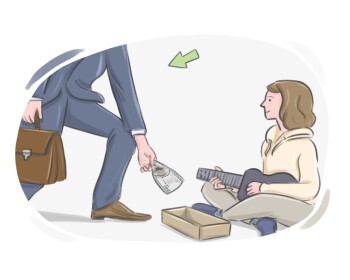
having a willingness to freely give or share something with others, without expecting anything in return
hojny, szczodry
Hojny napiwek pozostawiony przez zadowolonego klienta odzwierciedlał ich uznanie za wyjątkową obsługę, którą otrzymali.

one's ability to say funny things or be amused by jokes and other things meant to make one laugh
poczucie humoru, humor
Jej poczucie humoru sprawia, że nawet nudne zebrania da się znieść.
a positive quality or attribute that enhances or enriches the overall value or effectiveness of a person or thing
siła, zaleta
a flaw, defect, or vulnerable point in something or someone
słabość, słaby punkt
Każdy projekt ma potencjalne słabości pod wpływem stresu.
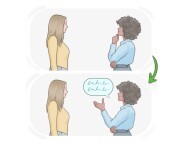
to use words and our voice to show what we are thinking or feeling
mówić, powiedzieć
Ona mówi, że lubi czytać książki w wolnym czasie.

to use words and give someone information
powiedzieć, opowiedzieć
Dlaczego mi nie powiedziano o zmianie harmonogramu?

the act of going to a different place, usually a place that is far
podróż
Podróżowanie często poszerza zrozumienie różnych kultur.
a journey that you take for fun or a particular reason, generally for a short amount of time
podróż, wycieczka
Co roku rodzina Smithów wybiera się w podróż, aby odwiedzić krewnych w innym stanie.
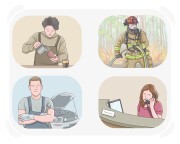
something that we do regularly to earn money
praca, zatrudnienie
Jest dumna ze swojej pracy jako nauczycielka, kształtując młode umysły każdego dnia.
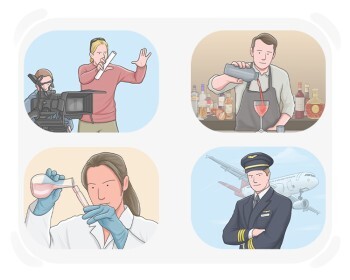
the work that we do regularly to earn money
praca, zawód
Moja siostra ma pracę w restauracji jako kelnerka.
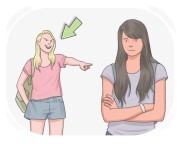
(of a person) behaving in a way that is unkind or cruel
złośliwy, okrutny
Żałował swojego niemiłego zachowania wobec młodszego rodzeństwa, zdając sobie sprawę, że to było niesprawiedliwe.

to use the available supply of something, leaving too little or none
skończyć się, wyczerpać
Skończyło nam się mleko, więc pójdę kupić.
