
책 Total English - 중급 - 단위 4 - 참조 - 파트 1
여기에서는 Total English Intermediate 교과서의 Unit 4 - 참조 - Part 1의 어휘를 찾을 수 있습니다. "상속하다", "중퇴하다", "현명하게" 등과 같은 단어들이 있습니다.
리뷰
플래시카드
형태
철자법
퀴즈
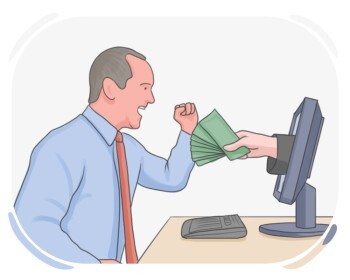
to get money for the job that we do or services that we provide

벌다, 얻다
많은 예술가들이 자신의 작품을 온라인으로 판매하여 생계를 꾸립니다.
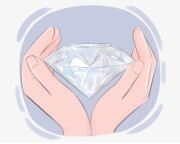
the worth of something in money
가치, 가격
부동산 중개인은 시장 가격을 결정할 때 부동산 위치의 가치를 강조했습니다.

to use time or resources in a careful and frugal way, avoiding waste
절약하다, 아끼다
사치스러운 휴가 옵션이 있음에도 불구하고, 그녀는 예산 친화적인 숙소를 선택함으로써 절약합니다.
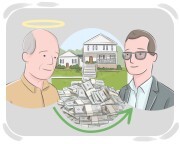
to receive money, property, etc. from someone who has passed away
상속하다, 유산을 받다
가족의 집은 부모의 사망 후 막내 아들에 의해 상속되었습니다.
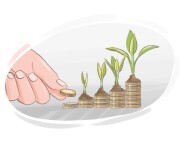
to spend money or resources with the intention of gaining a future advantage or return
투자하다, 넣다
작년에 그들은 나중에 매우 성공한 스타트업에 투자했습니다.
the amount of something that equals a certain value or is enough to last for a set period of time
가치, 양
그녀는 여행을 위해 한 달 어치의 옷을 가져왔다.
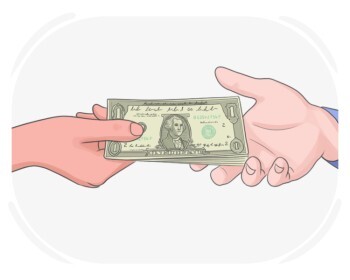
to give someone something, like money, expecting them to give it back after a while
빌려주다, 대출하다
가게까지 빠르게 가려고 자전거 빌려 줄 수 있어요?

to take something from someone or somewhere without permission or paying for it
훔치다, 도둑질하다
도둑은 지난 달에 여러 대의 차를 훔쳤다.
in a manner that reflects intelligence, good judgment, and experience
현명하게, 지혜롭게
그는현명하게 미소를 지으며 논쟁 동안 침묵을 지켰다.
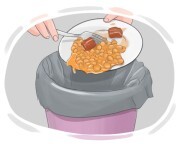
to use something without care or more than needed
낭비하다, 허비하다
필요하지 않을 때 불을 켜둠으로써 전기를 낭비하는 사람들이 있다는 것은 유감입니다.
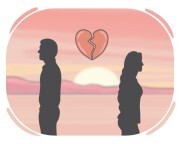
to end a relationship, typically a romantic or sexual one
헤어지다, 관계를 끝내다
그들은 다른 것을 원했기 때문에 그녀는 그와 헤어져야 했다.
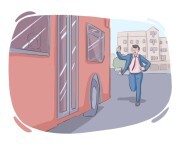
to go faster and reach someone or something that is ahead
따라잡다, 만회하다
느린 시작에도 불구하고, 마라톤 선수는 리더들을 따라잡기 위해 속도를 높였습니다.
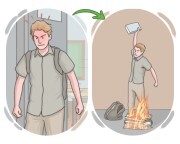
to stop going to school, university, or college before finishing one's studies
중퇴하다, 그만두다
재정적 제약으로 인해 그는 대학을 중퇴하고 일자리를 찾아야 했다.
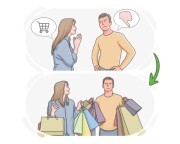
to eventually reach or find oneself in a particular place, situation, or condition, often unexpectedly or as a result of circumstances
결국 ...하게 되다, ...에 이르다
여러 번 우회한 끝에, 우리는 들었던 아름다운 숨겨진 해변에 도착했습니다.
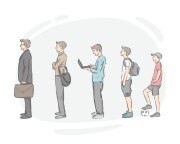
to change from being a child into an adult little by little
자라다, 어른이 되다
그녀는 같은 집에서 사촌들과 함께 자랐습니다.
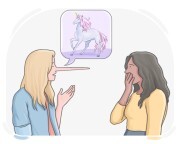
to create a false or fictional story or information
꾸며내다, 날조하다
그 정치인은 기자의 질문에 답하는 것을 피하기 위해 변명을 지어냈다.
to acquire a new skill or language through practice and application rather than formal instruction
습득하다, 실천을 통해 배우다
그녀는 그림 수업을 받은 적이 없지만 온라인 튜토리얼을 보면서 그 기술을 배웠다.

to exercise in order to get healthier or stronger
운동하다, 훈련하다
바쁜 일정에도 불구하고, 그는 체력 수준을 유지하기 위해 정기적으로 운동을 합니다.

trying or wishing to gain great success, power, or wealth
야망 있는, 야심찬
마리아는 야망 있는 학생으로, 항상 최고 성적을 목표로 하고 수많은 과외 활동에 참여합니다.

having an attractive and pleasing quality
매력적인, 매혹적인
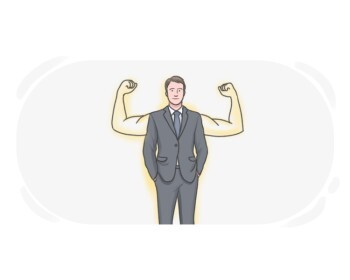
having a strong belief in one's abilities or qualities
자신 있는, 확신하는
그녀는 자신감 있는 연설자로, 군중 앞에서 결코 긴장하지 않습니다.
having or displaying a strong will to achieve a goal despite the challenges or obstacles
결심한
팀은 챔피언십에서 우승하기 위해 결심했고, 엄격하게 훈련했습니다.
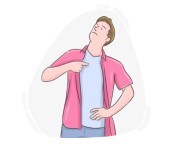
having an excessive focus on oneself and one's own interests, often at the expense of others
자기 중심적인, 자만심이 강한
사람들은 그의 자기중심적인 성격 때문에 그를 피했습니다.
making exaggerated or overly ambitious claims, promises, or statements that are often not grounded in reality
과장된
그가 그런 과도한 계획을 계속한다면, 프로젝트는 큰 차질을 빚을 수 있다.
capable of adjusting easily to different situations, circumstances, or needs
유연한, 적응력 있는
그는 일정에 유연하여 다른 사람들의 요구를 수용하는 것으로 알려져 있습니다.
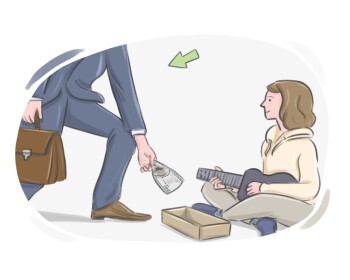
having a willingness to freely give or share something with others, without expecting anything in return
관대한, 아낌없는
주인은 믿을 수 없을 정도로 관대했고, 우리에게 많은 음식과 음료를 제공했습니다.
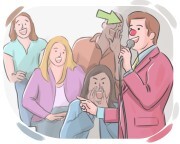
one's ability to say funny things or be amused by jokes and other things meant to make one laugh
유머 감각, 재치
그는 유머 감각이 없어서 농담을 전부 개인적으로 받아들인다.
a positive quality or attribute that enhances or enriches the overall value or effectiveness of a person or thing
힘, 장점
a flaw, defect, or vulnerable point in something or someone
약점, 취약점
보고서는 프로젝트 계획의 약점을 강조했습니다.
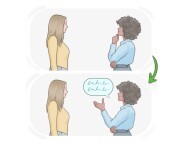
to use words and our voice to show what we are thinking or feeling
말하다, 이야기하다
그녀는 내가 그녀에게 준 선물을 사랑한다고 말했다.
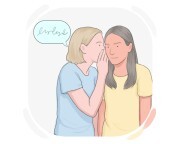
to use words and give someone information
말하다, 이야기하다
그녀는 친구에게 마을의 새로운 식당에 대해 말했다.
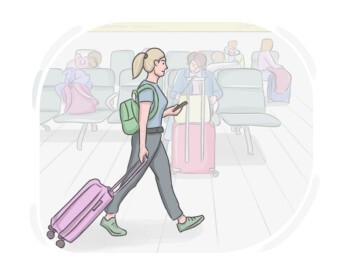
the act of going to a different place, usually a place that is far
여행
그는 도시 간 여행에 많은 근무 시간을 보낸다.
a journey that you take for fun or a particular reason, generally for a short amount of time
여행, 여정
그들은 근처의 국립 공원을 탐험하기 위해 하루 여행을 하기로 결정했습니다.
something that we do regularly to earn money
일, 직업
간호사로서의 사라의 일은 그녀를 일주일 내내 바쁘게 합니다.
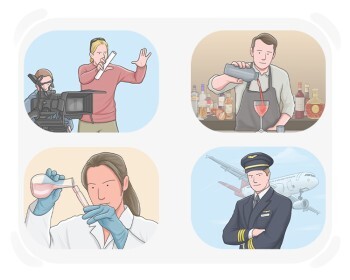
the work that we do regularly to earn money
직업, 일
그의 꿈의 직업은 소방관이 되는 것이다.
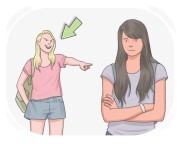
(of a person) behaving in a way that is unkind or cruel
못된, 잔인한
못된 상사는 사소한 실수로 직원들을 꾸짖어 유해한 작업 환경을 만들었다.

to use the available supply of something, leaving too little or none
다 써버리다, 바닥나다
대유행 동안 가게의 손 소독제가 다 떨어졌다.
