
Kniha Total English - Středně pokročilý - Jednotka 4 - Reference - Část 1
Zde najdete slovní zásobu z Unitu 4 - Reference - Část 1 v učebnici Total English Intermediate, jako "zdědit", "vypadnout", "moudře" atd.
Revize
Kartičky
tvary
Pravopis
Kvíz

to get money for the job that we do or services that we provide

vydělávat, získat

the worth of something in money
hodnota, cena

to use time or resources in a careful and frugal way, avoiding waste
šetřit, spořit
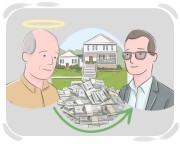
to receive money, property, or possessions from someone after they die
zdědit, dostat

to spend money or resources with the intention of gaining a future advantage or return
investovat, umístit
the amount of something that equals a certain value or is enough to last for a set period of time
hodnota, množství
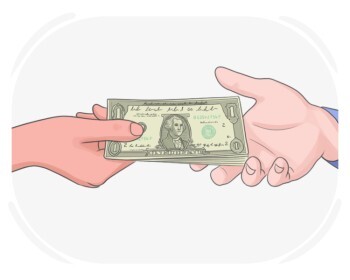
to give something to someone temporarily, expecting them to return it later
půjčovat, půjčit

to take something from someone or somewhere without permission or paying for it
krást, ukrást
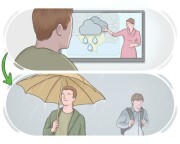
in a manner that reflects intelligence, good judgment, and experience
moudře, rozumně
Moudře investovali své úspory do diverzifikovaného portfolia.
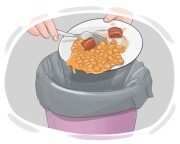
to use something without care or more than needed
plýtvat, marnit

to end a relationship, typically a romantic or sexual one
rozejít se, ukončit vztah
Bylo pro něj těžké se s ní rozejít, ale věděl, že je to správné rozhodnutí.
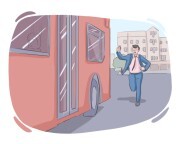
to go faster and reach someone or something that is ahead
dohnat, dohánět
Auto zrychlilo a snažilo se dohnat rychle jedoucí motocykl.
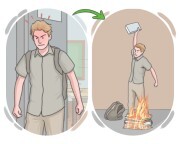
to stop going to school, university, or college before finishing one's studies
zanechat studia, ukončit školu před dokončením
Z osobních důvodů musela učinit obtížné rozhodnutí opustit vysokou školu.
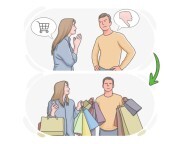
to eventually reach or find oneself in a particular place, situation, or condition, often unexpectedly or as a result of circumstances
nakonec skončit, dopadnout tak že
Pokud budeme dál hádat, skončíme tím, že zničíme naše přátelství.

to change from being a child into an adult little by little
vyrůst, dospět
Až vyrostu, chci být hudebníkem.
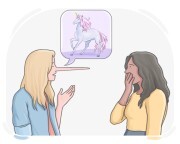
to create a false or fictional story or information
vymyslet si, smyšleně vytvořit
Dítě vymyslelo příběh o svém imaginárním příteli.
to acquire a new skill or language through practice and application rather than formal instruction
získat, naučit se praxí
Mnoho přistěhovalců zvládne místní nářečí jen tím, že si povídá se sousedy.

to exercise in order to get healthier or stronger
cvičit, cvičit pro zdraví nebo sílu
Včera po práci cvičila hodinu.

trying or wishing to gain great success, power, or wealth
ambiciózní, ctižádostivý
Jeho ambiciózní povaha ho vedla k převzetí náročných projektů, které ostatní považovali za nemožné, a opakovaně tak prokazoval své schopnosti.

having an attractive and pleasing quality
okouzlující, půvabný

having a strong belief in one's abilities or qualities
sebevědomý, jistý
Učitel byl přesvědčen o pokroku svých studentů.
having or displaying a strong will to achieve a goal despite the challenges or obstacles
odhodlaný
Její odhodlaný duch inspiroval všechny kolem ní, aby pracovali usilovněji.

having an excessive focus on oneself and one's own interests, often at the expense of others
egocentrický, domýšlivý
Jeho egocentrická povaha mu ztěžovala přijímání kritiky.
making exaggerated or overly ambitious claims, promises, or statements that are often not grounded in reality
extravagantní
Extravantní sliby generálního ředitele zdvojnásobit zisky do měsíce byly přijaty s nedůvěrou představenstvem.
capable of adjusting easily to different situations, circumstances, or needs
flexibilní, přizpůsobivý
Jeho flexibilní přístup usnadňoval přátelům spoléhat se na něj v těžkých časech.
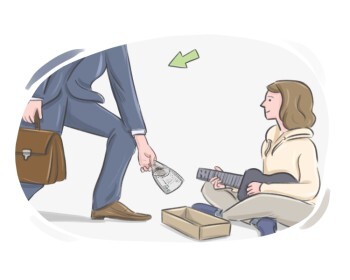
having a willingness to freely give or share something with others, without expecting anything in return
štědrý, velkorysý
Poděkovali jí za štědrý návrh zaplatit opravy.
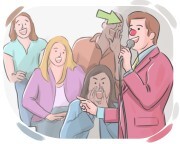
one's ability to say funny things or be amused by jokes and other things meant to make one laugh
smysl pro humor, humor
Dobrý smysl pro humor ti může pomoct rychle se s lidmi sblížit.
a positive quality or attribute that enhances or enriches the overall value or effectiveness of a person or thing
síla, přednost
a fault, flaw, or vulnerable part that makes someone or something less effective
slabost, slabé místo
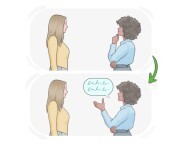
to use words and our voice to show what we are thinking or feeling
říkat, mluvit
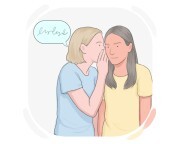
to use words and give someone information
říct, vyprávět
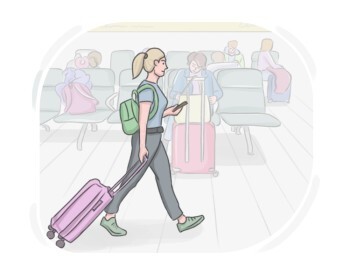
the act of going to a different place, usually a place that is far
cestování
a journey that you take for fun or a particular reason, generally for a short amount of time
cesta, výlet
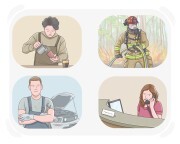
something that we do regularly to earn money
práce, zaměstnání
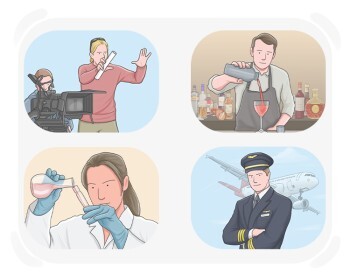
the work that we do regularly to earn money
práce, zaměstnání
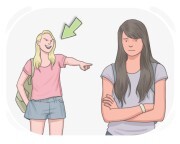
(of a person) behaving in a way that is unkind or cruel
zlý, krutý

to use the available supply of something, leaving too little or none
dojít, vyčerpat
Oni dojdou nápadů a rozhodli se udělat přestávku.
