
Le livre Solutions - Avancé - Unité 5 - 5A - Partie 2
Ici, vous trouverez le vocabulaire de l'Unité 5 - 5A - Partie 2 du cahier Solutions Advanced, comme "déléguer", "renoncer", "embuscade", etc.
Réviser
Flashcards
formes
Orthographe
Quiz

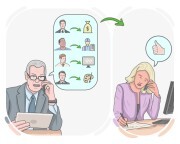
to give a task, duty, responsibility, or authority to someone else to carry out on one's behalf

déléguer

to transfer power, responsibility, or authority to the next person in a hierarchy or succession, often due to the loss or failure of the previous holder
transférer, dévoluer
Si le président est incapable, le pouvoir reviendra au vice-président.
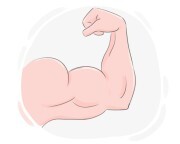
the ability to control or have an effect on things or people
pouvoir
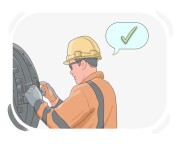
to complete or conduct a task, job, etc.
effectuer, accomplir une tâche ou un travail
Il est essentiel de effectuer une analyse approfondie des tendances du marché avant de lancer un nouveau produit.
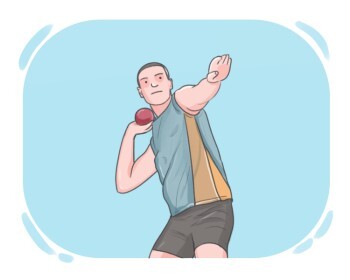
to push or throw something strongly
lancer, propulser
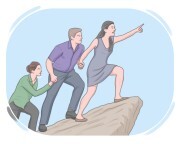
to be the leader or in charge of something
diriger, conduire
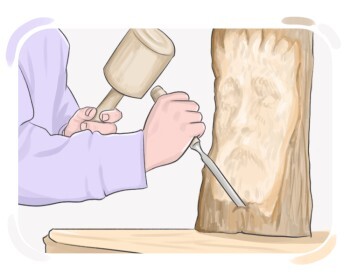
to form, produce, or prepare something, by putting parts together or by combining materials
faire, fabriquer
to initiate, prepare, or organize a plan, project, or event
lancer, organiser
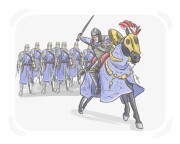
to be the person who leads something like an attack, campaign, movement, etc.
être le fer de lance de, mener
L'activiste a décidé de diriger la campagne de conservation de l'environnement dans la communauté.
to fall within the authority or control of someone or something
relever de, être sous la supervision de
Le projet relève de la responsabilité du chef de projet.
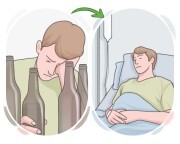
to experience and be affected by something bad or unpleasant
souffrir
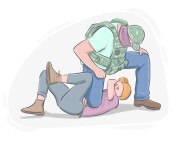
an act of violence or aggression against a place or a person
attaque
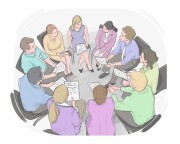
to come together in one place for a particular purpose
rassembler
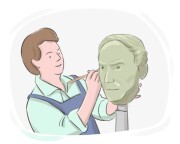
to bring something into existence or make something happen
créer
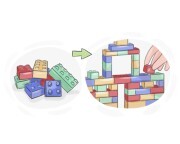
to combine parts or bring them together to create something
former, construire
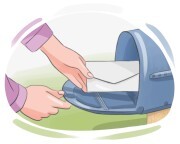
to have a person, letter, or package physically delivered from one location to another, specifically by mail
envoyer
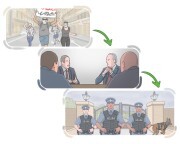
to position soldiers or equipment for military action
déployer
Le stratège militaire a suggéré de déployer l'artillerie sur un terrain plus élevé pour une meilleure visibilité.
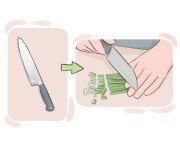
to do something with an object, method, etc. to achieve a specific result
utiliser, se servir de
to make preparations or get something ready for a specific action or operation
préparer, établir
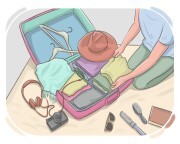
to make a person or thing ready for doing something
préparer

to establish a fresh entity, such as a company, system, or organization
créer, mettre en place
L'entrepreneur a monté une nouvelle entreprise dans l'industrie technologique.
to have its foundation in something, indicating the underlying cause, source, or essence
résider, se trouver

to not leave until a person or thing is ready or present or something happens
attendre
to organize and present something, typically a performance or an event
organiser
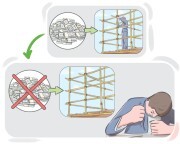
to unexpectedly face a difficult situation or problem
se heurter à, rencontrer
Je suis tombé sur un embouteillage en allant au travail ce matin.
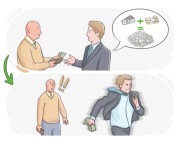
to become involved in something unpleasant because of carelessness or ignorance
tomber dans
Ils sont tombés dans des difficultés financières à cause de dépenses excessives.
a surprise attack or trap set by one party against another, typically while the targeted party is unaware or unprepared
embuscade, guet-apens
Les combattants de la guérilla ont tendu une embuscade à la patrouille insoupçonnée, les prenant au dépourvu.
to come to power and control in a place using military force
occuper

a piece of land with a government of its own, official borders, laws, etc.
pays
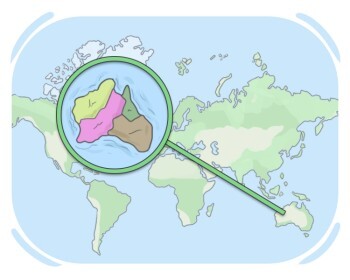
a particular part or region of a city, country, or the world
région

the act or process of no longer having someone or something
perte, mort
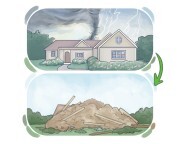
to cause or impose something unpleasant, harmful, or unwelcome upon someone or something
infliger, causer
Le tyran cherchait à infliger de la douleur émotionnelle à ses camarades de classe par des moqueries et des insultes.
a person who is injured or killed in a serious accident or disaster
mort, victime

an important discovery or development that helps improve a situation or answer a problem
percée
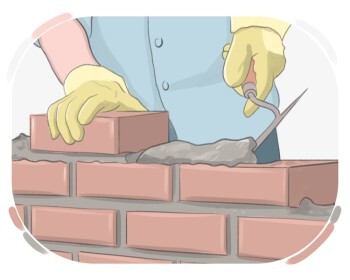
to construct a building or object in a particular location
construire, ériger
La ville a décidé d'ériger un monument sur la place de la ville.
the act of opposing or refusing to accept something one disapproves of or disagrees with
résistance
to provide something needed or wanted
fournir, approvisionner
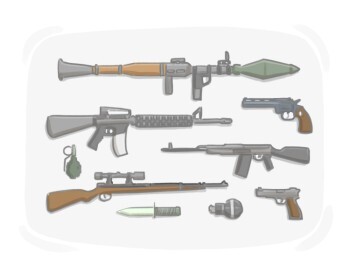
a weapon or tool used for fighting or hunting
arme, armement
to send a person to a particular place in order to carry out a duty, particularly a military person
poster, stationner
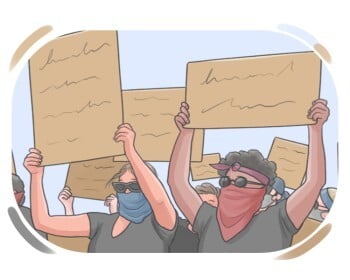
an organized public demonstration expressing strong disapproval of an official policy or action
protestation
to succeed in doing or achieving something
remporter la victoire
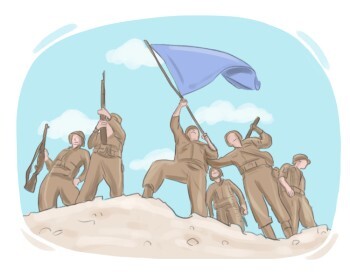
the success that is achieved in a competition, game, war, etc.
victoire
