pattern

El libro Solutions - Avanzado - Unidad 5 - 5A - Parte 2

Aquí encontrarás el vocabulario de la Unidad 5 - 5A - Parte 2 del libro de curso Solutions Advanced, como "delegar", "renunciar", "emboscada", etc.

Revisión

Tarjetas de memoria

formas

Ortografía

Cuestionario

Empezar a aprender
Solutions - Advanced
to renounce

to resign from power or duties

renunciar, abdicar

renunciar, abdicar

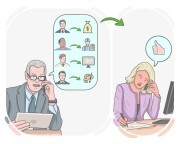
to delegate

to give a task, duty, responsibility, or authority to someone else to carry out on one's behalf

delegar

delegar

Ex: The director delegated some of his authority to regional managers. 
to devolve
to devolve
[Verbo]

to transfer power, responsibility, or authority to the next person in a hierarchy or succession, often due to the loss or failure of the previous holder

transferir, delegar

transferir, delegar

Ex: Control over the territory devolved to the local government after the central authority collapsed. 

El control sobre el territorio devolvió al gobierno local después del colapso de la autoridad central.

power
power
[Sustantivo]

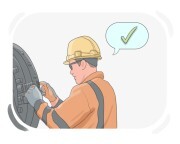
the ability to control or have an effect on things or people

poder
poder

Ex: They gained power through years of hard work and dedication. 
to carry out

to complete or conduct a task, job, etc.

llevar a cabo, realizar una tarea o trabajo

llevar a cabo, realizar una tarea o trabajo

Ex: The detective was assigned to carry out the investigation into the mysterious disappearance. 

Al detective se le asignó llevar a cabo la investigación sobre la desaparición misteriosa.
to launch
to launch
[Verbo]

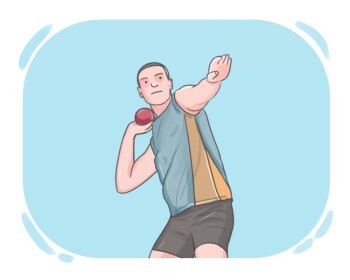
to push or throw something strongly

lanzar, arrojar
lanzar, arrojar

Ex: She launched the paper airplane from the balcony. 
to lead
to lead
[Verbo]

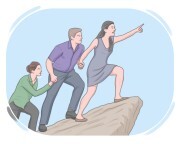
to be the leader or in charge of something

dirigir
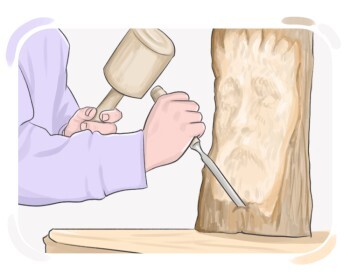
dirigir

Ex: The CEO is leading the company's expansion strategy. 
to make
to make
[Verbo]

to form, produce, or prepare something, by putting parts together or by combining materials

hacer

hacer

Ex: The factory workers make thousands of cars every month. 
to mount
to mount
[Verbo]

to initiate, prepare, or organize a plan, project, or event

lanzar, organizar
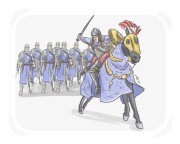
lanzar, organizar

Ex: To address the environmental issue, the nonprofit organization planned to mount a public awareness campaign. 
to spearhead

to be the person who leads something like an attack, campaign, movement, etc.

encabezar

encabezar

Ex: The captain was assigned to spearhead the rescue mission in the disaster-stricken area. 

Al capitán se le asignó encabezar la misión de rescate en el área afectada por el desastre.

to come under

to fall within the authority or control of someone or something

estar bajo, caer bajo la supervisión de

estar bajo, caer bajo la supervisión de

Ex: The decision comes under the jurisdiction of the board of directors. 

La decisión recae bajo la jurisdicción de la junta directiva.
to suffer
to suffer
[Verbo]

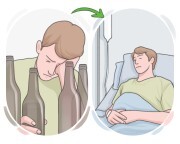
to experience and be affected by something bad or unpleasant

sufrir
sufrir

Ex: The company suffered financial losses during the economic downturn. 
attack
attack
[Sustantivo]

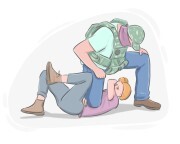
an act of violence or aggression against a place or a person

ataque

ataque

Ex: The victim suffered severe injuries in the unprovoked dog attack. 
to assemble

to come together in one place for a particular purpose

reunirse
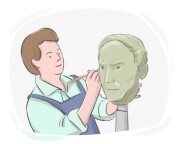
reunirse

Ex: The team assembled for its first practice on Monday. 
to create
to create
[Verbo]

to bring something into existence or make something happen

crear
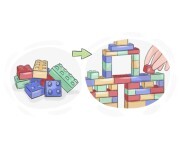
crear

Ex: The scientists created a groundbreaking vaccine for the disease. 
to form
to form
[Verbo]

to combine parts or bring them together to create something

formar

formar

Ex: Individual artists can form a collective to showcase their work and support each other. 
to send
to send
[Verbo]

to have a person, letter, or package physically delivered from one location to another, specifically by mail

enviar
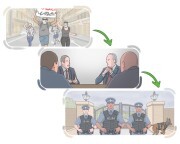
enviar

Ex: She decided to send a handwritten letter to her friend who lived overseas. 
to deploy
to deploy
[Verbo]

to position soldiers or equipment for military action

desplegar

desplegar

Ex: In response to the threat, the army was ordered to deploy additional units to the border. 

En respuesta a la amenaza, se ordenó al ejército desplegar unidades adicionales en la frontera.
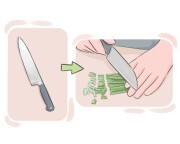
to use
to use
[Verbo]

to do something with an object, method, etc. to achieve a specific result

usar, utilizar

usar, utilizar

Ex: I use my keys to unlock the door. 
to lay
to lay
[Verbo]

to make preparations or get something ready for a specific action or operation

preparar, sentar

preparar, sentar

Ex: The team will lay the plans for the upcoming event during tomorrow's meeting. 
to prepare
to prepare
[Verbo]

to make a person or thing ready for doing something

preparar

preparar

Ex: She prepares her artwork by gathering all the necessary materials. 
to set up
to set up
[Verbo]

to establish a fresh entity, such as a company, system, or organization

establecer, montar

establecer, montar

Ex: They decided to set up a foundation for environmental conservation. 

Decidieron establecer una fundación para la conservación del medio ambiente.

to lie
to lie
[Verbo]

to have its foundation in something, indicating the underlying cause, source, or essence

residir, encontrarse

residir, encontrarse

Ex: The solution lies not in working harder, but in working smarter. 
to wait
to wait
[Verbo]

to not leave until a person or thing is ready or present or something happens

esperar

esperar

Ex: If you arrive early, you may have to wait until the restaurant opens. 
to stage
to stage
[Verbo]

to organize and present something, typically a performance or an event

organizar
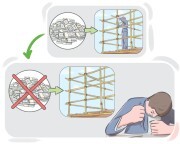
organizar

Ex: The company staged a grand opening celebration for their new office. 
to run into

to unexpectedly face a difficult situation or problem

toparse con, encontrarse con

toparse con, encontrarse con

Ex: The company ran into a legal dispute over their product's patent. 

La empresa se encontró con una disputa legal por la patente de su producto.
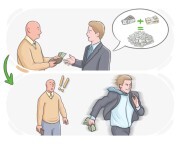
to walk into

to become involved in something unpleasant because of carelessness or ignorance

entrar caminando

entrar caminando

Ex: They walked into a trap set by their competitors during the negotiation. 

Cayeron en una trampa tendida por sus competidores durante la negociación.

ambush
ambush
[Sustantivo]

a surprise attack or trap set by one party against another, typically while the targeted party is unaware or unprepared

emboscada, celada

emboscada, celada

Ex: The police set up an ambush to apprehend the fugitive as he passed through the narrow alley. 

La policía preparó una emboscada para capturar al fugitivo mientras pasaba por el callejón estrecho.

to occupy
to occupy
[Verbo]

to come to power and control in a place using military force

ocupar

ocupar

Ex: The rebel group aimed to occupy key government buildings, paving the way for a coup. 
country
country
[Sustantivo]

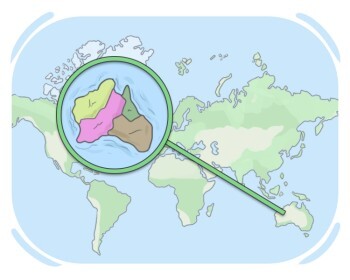
a piece of land with a government of its own, official borders, laws, etc.

país
país

Ex: She traveled to several European countries during her summer vacation. 
area
area
[Sustantivo]

a particular part or region of a city, country, or the world

área, zona

área, zona

Ex: The earthquake affected a large area, causing significant damage. 
loss
loss
[Sustantivo]

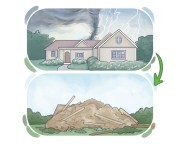
the act or process of no longer having someone or something

pérdida
pérdida

Ex: He felt a profound loss when his job ended. 
to inflict
to inflict
[Verbo]

to cause or impose something unpleasant, harmful, or unwelcome upon someone or something

infligir, causar

infligir, causar

Ex: The criminal's goal was to inflict fear on the community through acts of violence. 
casualty
casualty
[Sustantivo]

a person who is injured or killed in a serious accident or disaster

baja

baja

Ex: Fortunately, the accident resulted in no casualties. 
breakthrough
breakthrough
[Sustantivo]

an important discovery or development that helps improve a situation or answer a problem

avance
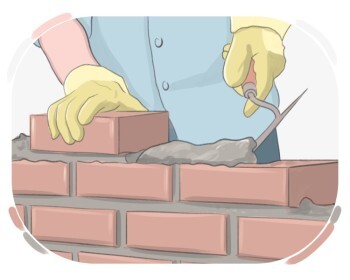
avance

Ex: The company's new product represented a significant breakthrough in renewable energy technology. 
to put up
to put up
[Verbo]

to construct a building or object in a particular location

construir, levantar

construir, levantar

Ex: The company is putting up a new factory on the outskirts of town. 

La empresa está construyendo una nueva fábrica en las afueras de la ciudad.

resistance
resistance
[Sustantivo]

the act of opposing or refusing to accept something one disapproves of or disagrees with

resistencia
resistencia

Ex: His resistance to authority often caused conflict at work. 
to supply
to supply
[Verbo]

to provide something needed or wanted

proporcionar
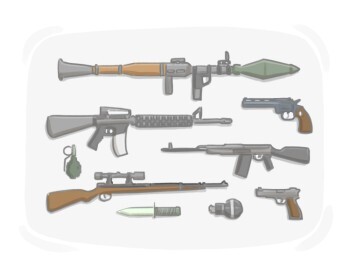
proporcionar

Ex: The company will supply all the necessary materials for the project. 
arm
arm
[Sustantivo]

a weapon or tool used for fighting or hunting

arma, armamento

arma, armamento

Ex: Archery was once the chief arm of hunters. 
to station
to station
[Verbo]

to send a person to a particular place in order to carry out a duty, particularly a military person

destacar, estacionar
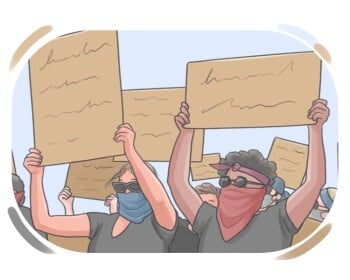
destacar, estacionar

Ex: The military strategically stations personnel in various regions to respond quickly to potential threats. 
protest
protest
[Sustantivo]

an organized public demonstration expressing strong disapproval of an official policy or action

protesta, manifestación

protesta, manifestación

Ex: A large protest took place downtown, calling for social justice reforms. 
to claim
to claim
[Verbo]

to succeed in doing or achieving something

cobrar
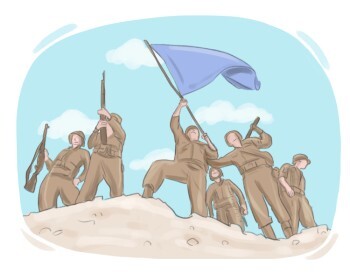
cobrar

Ex: The actor claimed an Oscar for his outstanding performance in the film. 
victory
victory
[Sustantivo]

the success that is achieved in a competition, game, war, etc.

victoria

victoria

Ex: It was a hard-fought victory for the players. 
to [lose] {one's} life

to pass away

Ex: Thousands of civilians lost their lives in the natural disaster. 
LanGeek
Descargar la aplicación LanGeek