
Le livre Face2face - Intermédiaire - Unité 12 - 12C - Partie 2
Ici, vous trouverez le vocabulaire de l'Unité 12 - 12C - Partie 2 du manuel Face2Face Intermediate, comme "création", "employer", "prévisible", etc.
Réviser
Flashcards
formes
Orthographe
Quiz
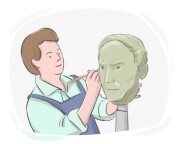
to bring something into existence or make something happen

créer

the act of bringing something into existence
création, œuvre
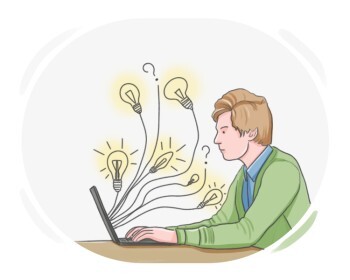
using imagination and original ideas to create or develop something
créatif
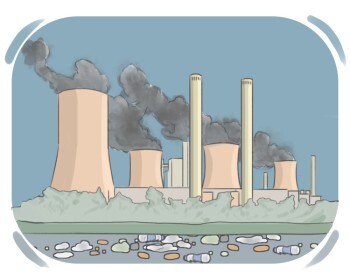
to damage the environment by releasing harmful chemicals or substances to the air, water, or land
polluer
Déverser des eaux usées non traitées dans les rivières peut polluer l'eau et nuire à la vie aquatique.
a change in water, air, etc. that makes it harmful or dangerous
pollution
containing harmful or dirty substances
pollué, contaminé
Elle portait un masque pour se protéger de l'air pollué de la ville, épais de smog et d'émissions.

to give work to someone and pay them
employer
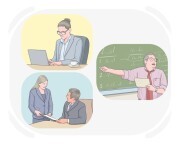

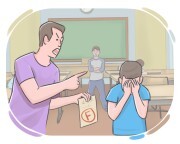
to make a person feel ashamed, uneasy, or nervous, especially in front of other people
mettre dans l'embarras
Elle était gênée lorsque son téléphone a sonné bruyamment pendant la réunion.
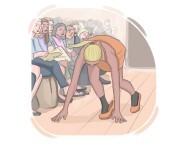
causing a person to feel ashamed or uneasy
embarrassant, gênant
Oublier le nom de quelqu'un dans une salle bondée peut être embarrassant.
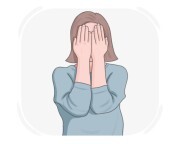
the uncomfortable feeling of being ashamed, awkward, or self-conscious
gêne, embarras
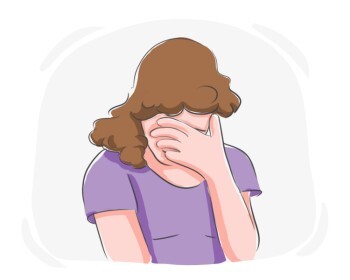
feeling ashamed and uncomfortable because of something that happened or was said
embarrassé
L'adolescente embarrassée a rougi lorsque ses parents l'ont taquinée devant ses amis.
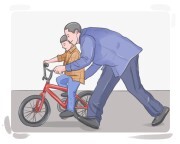
to be based on or related with different things that are possible
dépendre
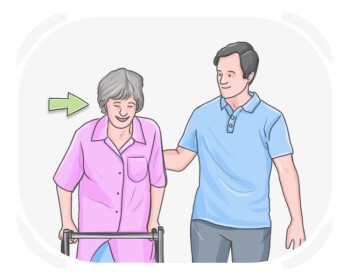
unable to survive, succeed, or stay healthy without someone or something
dépendant
the state of relying on someone or something for support, functioning, or continued existence
dépendance, dépendance à
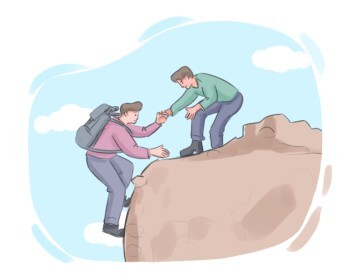
able to be relied on to do what is needed or asked of
sur lequel on peut compter, sur qui on peut compter
Sa nature fiable en fait un coéquipier fiable, contribuant toujours au succès du groupe.
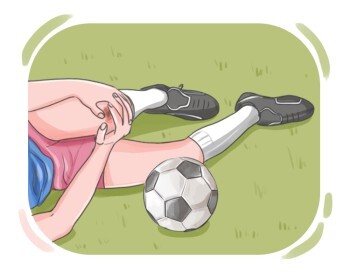
any physical injury to the body, especially one inflicted deliberately that is caused by a person or an event
mal
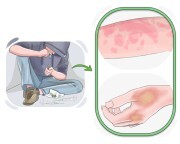
causing damage or negative effects to someone or something
nuisible, malfaisant
Certains produits chimiques dans les produits de nettoyage peuvent être nocifs s'ils sont ingérés.
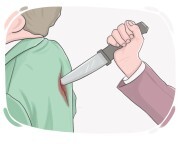
to physically hurt someone or damage something
faire du mal à, abîmer, endommager
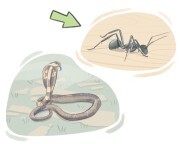
causing no danger or damage
inoffensif
Elle leur a assuré que le médicament était inoffensif et n'aurait aucun effet indésirable.
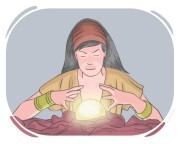
to say that something is going to happen before it actually takes place
prédire, prévoir
the act or process of saying what is expected to happen in the future
prédiction
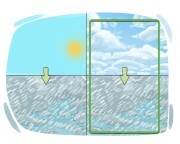
easily anticipated or expected to happen based on past experiences or knowledge
prévisible, prédictible
Sa réaction prévisible aux critiques était de devenir défensif et argumentatif.
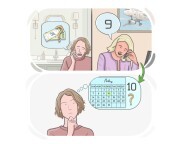
to mistake one person or thing for another or fail to distinguish between them
confondre

a state of disorder in which people are uncertain about what is happening or what they should do
confusion, embrouillamini
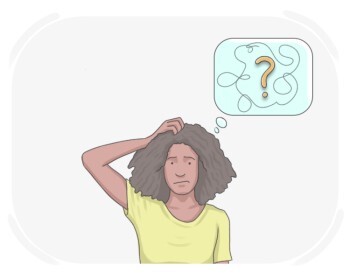
feeling uncertain or not confident about something because it is not clear or easy to understand
désorienté, perdu
Il semblait confus quant à la direction à prendre dans sa carrière.
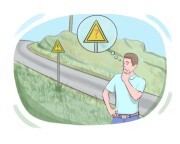
not clear or easily understood
confus, déroutant
Les nouvelles lois fiscales sont si confuses que même les experts ont du mal à les déchiffrer.
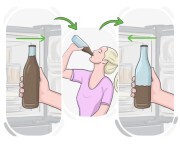
to set something aside and keep it for future use
réserver
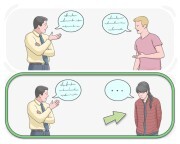
reluctant to share feelings or problems
réservé, timide
Les gens interprétaient souvent à tort son comportement réservé comme étant hostile.
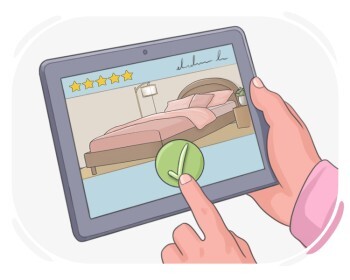
an arrangement made in advance to have a room, seat, table, or other service kept for someone
réservation
| Le livre Face2face - Intermédiaire | |||
|---|---|---|---|
| Unité 7 - 7C | Unité 8 - 8A | Unité 8 - 8B | Unité 8 - 8C |
| Unité 9 - 9A | Unité 9 - 9B | Unité 9 - 9C | Unité 9 - 9D |
| Unité 10 - 10A | Unité 10 - 10B | Unité 10 - 10C | Unité 11 - 11A |
| Unité 11 - 11B | Unité 11 - 11C | Unité 12 - 12A | Unité 12 - 12B |
| Unité 12 - 12C - Partie 1 | Unité 12 - 12C - Partie 2 | ||
