pattern

Cartea Face2face - Intermediar - Unitatea 12 - 12C - Partea 2

Aici veți găsi vocabularul din Unitatea 12 - 12C - Partea 2 din manualul Face2Face Intermediate, cum ar fi "creație", "angaja", "predictibil", etc.

Revizuire

Fișe de studiu

forme

Ortografie

Chestionar

Începe să înveți
Face2face - Intermediate
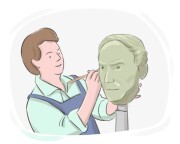
to create
to create
[verb]

to bring something into existence or make something happen

crea, înființa

crea, înființa

Ex: The artist decided to create a sculpture from marble .

Artistul a decis să creeze o sculptură din marmură.

Închide
Conectare
creation
creation
[substantiv]

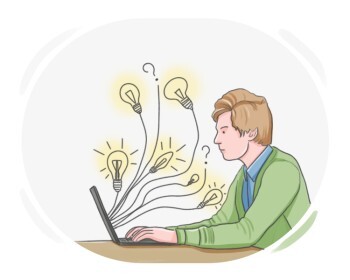
the act of bringing something into existence

creație, operă
creație, operă

Ex: She focused on the creation of detailed artwork for the exhibition .

Ea s-a concentrat pe crearea unor opere de artă detaliate pentru expoziție.

Închide
Conectare
creative
creative
[adjectiv]

making use of imagination or innovation in bringing something into existence

creativ, inovator

creativ, inovator

Ex: My friend is very creative, she designed and sewed her own dress for the party .

Prietena mea este foarte creativă, ea a proiectat și cusut propria ei rochie pentru petrecere.

Închide
Conectare
to pollute

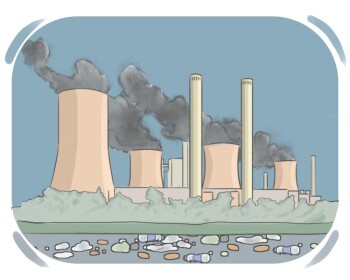
to damage the environment by releasing harmful chemicals or substances to the air, water, or land

polua, contamina

polua, contamina

Ex: The smoke from the fire pollutes the atmosphere , reducing air quality .

Fumul din foc poluează atmosfera, reducând calitatea aerului.

Închide
Conectare
pollution
pollution
[substantiv]

a change in water, air, etc. that makes it harmful or dangerous

poluare, contaminare

poluare, contaminare

Ex: The pollution caused by plastic waste is a growing environmental crisis .

Poluarea cauzată de deșeurile din plastic este o criză de mediu în creștere.

Închide
Conectare
polluted
polluted
[adjectiv]

containing harmful or dirty substances

poluat, contaminat

poluat, contaminat

Ex: The polluted groundwater was unsuitable for drinking , contaminated with pollutants from nearby industrial sites .

Apa subterană poluată nu era potrivită pentru băut, fiind contaminată cu poluanți de la site-urile industriale din apropiere.

Închide
Conectare
to employ
to employ
[verb]

to give work to someone and pay them

angaja, ocupa

angaja, ocupa

Ex: We are planning to employ a gardener to maintain our large yard .

Plănuim să angajăm un grădinar pentru a întreține marele nostru teren.

Închide
Conectare
employment
employment
[substantiv]

a paid job

angajare

angajare

Ex: The factory provides employment for over 500 people .

Fabrica oferă locuri de muncă pentru peste 500 de persoane.

Închide
Conectare
employed
employed
[adjectiv]

having a job or being currently working for someone or a company

angajat, ocupat

angajat, ocupat

Închide
Conectare
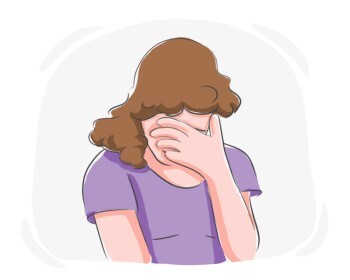
to embarrass

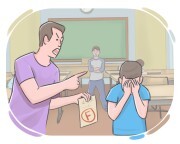
to make a person feel ashamed, uneasy, or nervous, especially in front of other people

jeni, face să se simtă stânjenit

jeni, face să se simtă stânjenit

Ex: Public speaking often embarrasses people , but with practice , it can become more comfortable .

Vorbitul în public deseori jenază oamenii, dar cu practică, poate deveni mai confortabil.

Închide
Conectare
embarrassing
embarrassing
[adjectiv]

causing a person to feel ashamed or uneasy

jenant, stânjenitor

jenant, stânjenitor

Ex: His embarrassing behavior at the dinner table made the guests uncomfortable .

Comportamentul său jenant la masă a făcut oaspeții să se simtă inconfortabil.

Închide
Conectare
embarrassment
embarrassment
[substantiv]

a feeling of distress, shyness, or guilt as a result of an uncomfortable situation

jenă, rușine

jenă, rușine

Ex: There was a brief moment of embarrassment when he could n’t remember the password .

A fost un scurt moment de jenă când nu și-a putut aminti parola.

Închide
Conectare
embarrassed
embarrassed
[adjectiv]

feeling ashamed and uncomfortable because of something that happened or was said

jenat, rușinat

jenat, rușinat

Ex: He was clearly embarrassed by the mistake he made.

Era clar jenat de greșeala pe care a făcut-o.

Închide
Conectare
to depend
to depend
[verb]

to be based on or related with different things that are possible

depinde, se baza pe
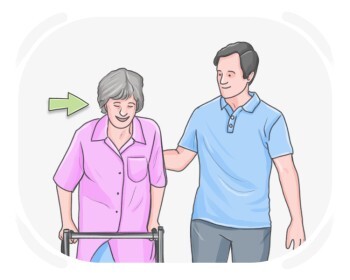
depinde, se baza pe

Ex: In team sports, victory often depends on the coordination and synergy among players.

În sporturile de echipă, victoria depinde adesea de coordonarea și sinergia dintre jucători.

Închide
Conectare
dependent
dependent
[adjectiv]

unable to survive, succeed, or stay healthy without someone or something

dependent, supus

dependent, supus

Ex: Some animals are highly dependent on their environment for survival.

Unele animale sunt foarte dependente de mediul lor pentru a supraviețui.

Închide
Conectare
dependence
dependence
[substantiv]

the condition of needing someone or something for support, aid, or survival

dependență, supunere

dependență, supunere

Ex: Her dependence on her smartphone was affecting her productivity .

Dependența ei de smartphone-ul ei îi afecta productivitatea.

Închide
Conectare
dependable
dependable
[adjectiv]

able to be relied on to do what is needed or asked of

de încredere, sigur

de încredere, sigur

Ex: The dependable teacher provides consistent support and guidance to students .

Profesorul de încredere oferă sprijin și îndrumare consecvente elevilor.

Închide
Conectare
harm
harm
[substantiv]

any physical injury to the body, especially one inflicted deliberately that is caused by a person or an event

vătămare, prejudiciu
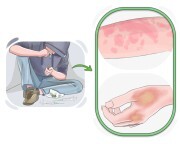
vătămare, prejudiciu

Ex: Harm from the accident left him with lasting injuries .

Paguba din accident i-a lăsat răni permanente.

Închide
Conectare
harmful
harmful
[adjectiv]

causing damage or negative effects to someone or something

dăunător, nociv

dăunător, nociv

Ex: Air pollution from vehicles and factories can be harmful to the environment .

Poluarea aerului din vehicule și fabrici poate fi dăunătoare pentru mediu.

Închide
Conectare
to harm
to harm
[verb]

to physically hurt someone or damage something

dăuna, răni
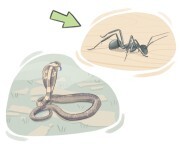
dăuna, răni

Ex: She harms herself by neglecting her well-being .

Ea își face rău neglijând bunăstarea sa.

Închide
Conectare
harmless
harmless
[adjectiv]

causing no danger or damage

inofensiv, fără pericol

inofensiv, fără pericol

Ex: The insect in the garden was harmless and beneficial to the plants .

Insecta din grădină era inofensivă și benefică pentru plante.

Închide
Conectare
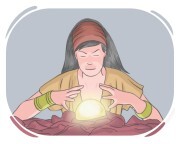
to predict

to say that something is going to happen before it actually takes place

prezice, prognoza

prezice, prognoza

Ex: She accurately predicted the outcome of the election based on polling data .

Ea a prezis cu exactitate rezultatul alegerilor pe baza datelor de sondaj.

Închide
Conectare
prediction
prediction
[substantiv]

the act of saying what one thinks is going to happen in the future or what the outcome of something will be

prezicere,  prognoză

prezicere, prognoză

Ex: Her bold prediction about the stock market shocked the financial community .

Prezicerea ei îndrăzneață despre piața bursieră a șocat comunitatea financiară.

Închide
Conectare
predictable
predictable
[adjectiv]

easily anticipated or expected to happen based on past experiences or knowledge

previzibil, predictibil

previzibil, predictibil

Ex: The outcome of the experiment was predictable, based on the known laws of physics .

Rezultatul experimentului a fost previzibil, bazat pe legile cunoscute ale fizicii.

Închide
Conectare
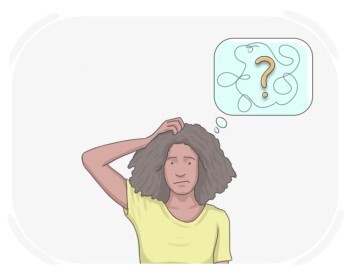
to confuse

to misunderstand or mistake a thing as something else or a person for someone else

confunda, încurca

confunda, încurca

Ex: They confused the terms during the discussion , leading to a lot of misunderstandings .

Ei au confundat termenii în timpul discuției, ceea ce a dus la multe neînțelegeri.

Închide
Conectare
confusion
confusion
[substantiv]

a state of disorder in which people panic and do not know what to do

confuzie, derută

confuzie, derută

Ex: The confusion at the airport was due to canceled flights and long lines .

Confuzia din aeroport se datora zborurilor anulate și cozilor lungi.

Închide
Conectare
confused
confused
[adjectiv]

feeling uncertain or not confident about something because it is not clear or easy to understand

confuz, dezorientat

confuz, dezorientat

Ex: The instructions were so unclear that they left everyone feeling confused.

Instrucțiunile erau atât de neclare încât au lăsat pe toată lumea confuză.

Închide
Conectare
confusing
confusing
[adjectiv]

not clear or easily understood

confuz, neclar

confuz, neclar

Ex: The confusing directions led us in the wrong direction .

Indicațiile confuze ne-au condus în direcția greșită.

Închide
Conectare
to reserve

to set something aside and keep it for future use

rezerva, pune deoparte
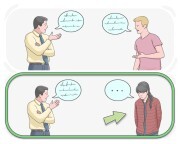
rezerva, pune deoparte

Ex: As you finish assembling the bookshelf , reserve a few screws for any future adjustments .

Când terminați de asamblat raftul pentru cărți, păstrați câteva șuruburi pentru orice ajustări viitoare.

Închide
Conectare
reserved
reserved
[adjectiv]

reluctant to share feelings or problems

rezervat, închis

rezervat, închis

Ex: She appeared reserved, but she was warm and kind once you got to know her.

Părea rezervată, dar era caldă și amabilă odată ce o cunoșteai.

Închide
Conectare
reservation
reservation
[substantiv]

the act of arranging something, such as a seat or a hotel room to be kept for you to use later at a particular time

rezervare

rezervare

Ex: His reservation was canceled due to a payment issue .

Rezervarea lui a fost anulată din cauza unei probleme de plată.

Închide
Conectare
LanGeek
Descarcă aplicația LanGeek