pattern

Kniha Face2face - Středně pokročilý - Jednotka 12 - 12C - Část 2

Zde najdete slovní zásobu z jednotky 12 - 12C - část 2 v učebnici Face2Face Intermediate, jako je "tvorba", "zaměstnat", "předvídatelný" atd.

Revize

Kartičky

tvary

Pravopis

Kvíz

Začněte se učit
Face2face - Intermediate
to create
to create
[sloveso]

to bring something into existence or make something happen

vytvořit, založit

vytvořit, založit

Ex: Many entrepreneurs aspire to create successful businesses. 
creation
creation
[Podstatné jméno]

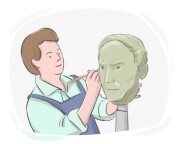
the act of bringing something into existence

stvoření, dílo
stvoření, dílo

Ex: The artist's creation was admired by everyone. 
creative
creative
[Přídavné jméno]

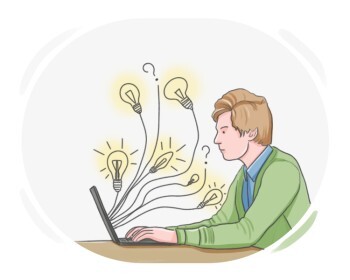
using imagination and original ideas to create or develop something

kreativní,  tvůrčí
kreativní, tvůrčí

Ex: Writing stories gives children a chance to be creative. 
to pollute
to pollute
[sloveso]

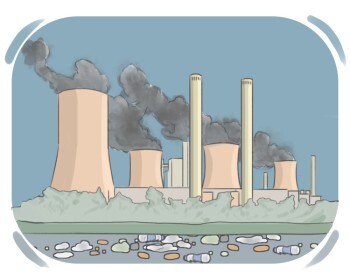
to damage the environment by releasing harmful chemicals or substances to the air, water, or land

znečišťovat, kontaminovat

znečišťovat, kontaminovat

Ex: Factories often pollute the air with emissions from burning fossil fuels. 

Továrny často znečišťují vzduch emisemi z spalování fosilních paliv.

pollution
pollution
[Podstatné jméno]

a change in water, air, etc. that makes it harmful or dangerous

znečištění, kontaminace

znečištění, kontaminace

Ex: The pollution in the lake has made the water toxic to fish and plants. 
polluted
polluted
[Přídavné jméno]

containing harmful or dirty substances

znečištěný, kontaminovaný

znečištěný, kontaminovaný

Ex: The polluted groundwater was unsuitable for drinking, contaminated with pollutants from nearby industrial sites. 

Znečištěná podzemní voda nebyla vhodná k pití, kontaminovaná znečišťujícími látkami z blízkých průmyslových areálů.

to employ
to employ
[sloveso]

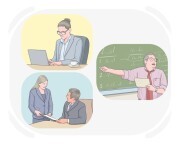
to give work to someone and pay them

zaměstnat, najmout
zaměstnat, najmout

Ex: Are you planning to employ any interns this summer? 
employment
employment
[Podstatné jméno]

a paid job

zaměstnání

zaměstnání

Ex: After a long period of unemployment, he finally found steady employment. 
employed
employed
[Přídavné jméno]

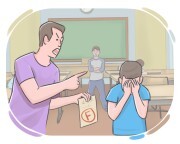
having a job or being currently working for someone or a company

zaměstnaný, pracující
zaměstnaný, pracující

to embarrass
to embarrass
[sloveso]

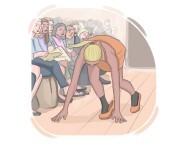
to make a person feel ashamed, uneasy, or nervous, especially in front of other people

zahanbit, uvést do rozpaků

zahanbit, uvést do rozpaků

Ex: Public speaking often embarrasses people, but with practice, it can become more comfortable. 

Veřejné mluvení často zneklidňuje lidi, ale s praxí to může být pohodlnější.
embarrassing
embarrassing
[Přídavné jméno]

causing a person to feel ashamed or uneasy

trapný, rozpačitý

trapný, rozpačitý

Ex: His embarrassing slip on the banana peel in front of everyone made him blush with embarrassment. 

Jeho trapné uklouznutí na banánové slupce před všemi ho přimělo zčervenat hanbou.

embarrassment
embarrassment
[Podstatné jméno]

the uncomfortable feeling of being ashamed, awkward, or self-conscious

rozpaky

rozpaky

Ex: Jessica covered her face in embarrassment when the video began playing. 
embarrassed
embarrassed
[Přídavné jméno]

feeling ashamed and uncomfortable because of something that happened or was said

rozpačitý, zahanbený

rozpačitý, zahanbený

Ex: He was clearly embarrassed by the mistake he made. 

Byl očividně rozpačitý z chyby, kterou udělal.
to depend
to depend
[sloveso]

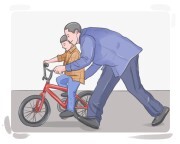
to be based on or related with different things that are possible

záviset, být založen na
záviset, být založen na

Ex: The success of the project depends heavily on effective communication among team members. 
dependent
dependent
[Přídavné jméno]

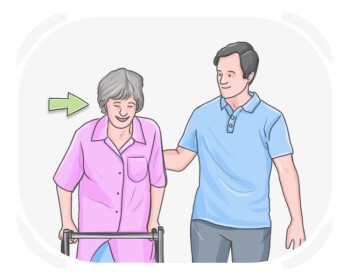
unable to survive, succeed, or stay healthy without someone or something

závislý, podřízený

závislý, podřízený

Ex: The success of the project was highly dependent on the team's ability to collaborate effectively. 
dependence
dependence
[Podstatné jméno]

the state of relying on someone or something for support, functioning, or continued existence

závislost,  závislost na
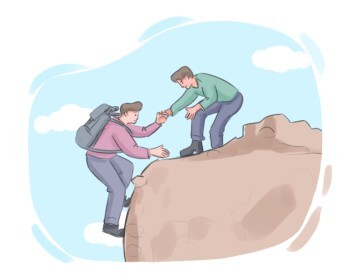
závislost, závislost na

Ex: Young children naturally have a strong dependence on adults for care and protection. 
dependable
dependable
[Přídavné jméno]

able to be relied on to do what is needed or asked of

spolehlivý, důvěryhodný

spolehlivý, důvěryhodný

Ex: The dependable teacher provides consistent support and guidance to students. 

Spolehlivý učitel poskytuje studentům konzistentní podporu a vedení.
harm
harm
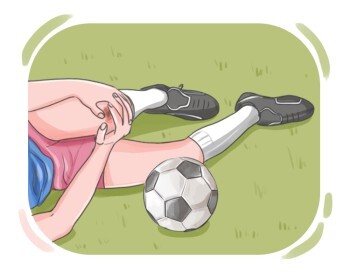
[Podstatné jméno]

any physical injury to the body, especially one inflicted deliberately that is caused by a person or an event

poškození, újma
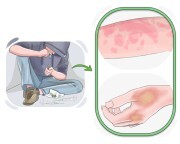
poškození, újma

Ex: The victim suffered serious harm during the altercation. 
harmful
harmful
[Přídavné jméno]

causing damage or negative effects to someone or something

škodlivý, škodící

škodlivý, škodící

Ex: Air pollution from vehicles and factories can be harmful to the environment. 

Znečištění ovzduší z vozidel a továren může být škodlivé pro životní prostředí.

to harm
to harm
[sloveso]

to physically hurt someone or damage something

poškodit, ublížit
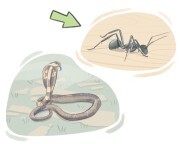
poškodit, ublížit

Ex: The malicious rumors were intended to harm the reputation of the individual. 
harmless
harmless
[Přídavné jméno]

causing no danger or damage

neškodný, bezpečný

neškodný, bezpečný

Ex: The insect in the garden was harmless and beneficial to the plants. 

Hmyz v zahradě byl neškodný a prospěšný pro rostliny.

to predict
to predict
[sloveso]

to say that something is going to happen before it actually takes place

předpovídat, předvídat

předpovídat, předvídat

Ex: The meteorologist predicted rain for the weekend based on weather patterns. 
prediction
prediction
[Podstatné jméno]

the act or process of saying what is expected to happen in the future

předpověď,  predikce
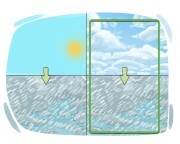
předpověď, predikce

Ex: Maria studies statistical methods for the prediction of election results. 
predictable
predictable
[Přídavné jméno]

easily anticipated or expected to happen based on past experiences or knowledge

předvídatelný, očekávaný

předvídatelný, očekávaný

Ex: The outcome of the experiment was predictable, based on the known laws of physics. 

Výsledek experimentu byl předvídatelný, založený na známých zákonech fyziky.
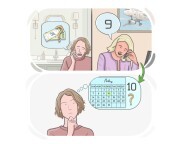
to confuse
to confuse
[sloveso]

to mistake one person or thing for another or fail to distinguish between them

plést si,  zaměňovat

plést si, zaměňovat

Ex: Students sometimes confuse these two grammatical terms. 
confusion
confusion
[Podstatné jméno]

a state of disorder in which people are uncertain about what is happening or what they should do

zmatek,  nejistota
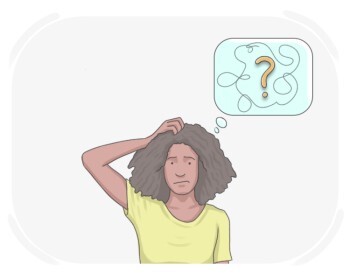
zmatek, nejistota

Ex: Daniel tried to restore order amid the general confusion. 
confused
confused
[Přídavné jméno]

feeling uncertain or not confident about something because it is not clear or easy to understand

zmatený, nejistý

zmatený, nejistý

Ex: The instructions were so unclear that they left everyone feeling confused. 

Pokyny byly tak nejasné, že všichni zůstali zmatení.
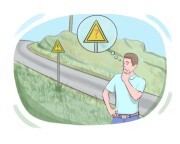
confusing
confusing
[Přídavné jméno]

not clear or easily understood

matoucí, nejasný

matoucí, nejasný

Ex: The instructions for assembling the furniture were confusing and led to several mistakes. 

Pokyny k sestavení nábytku byly matoucí a vedly k několika chybám.
to reserve
to reserve
[sloveso]

to set something aside and keep it for future use

rezervovat, odložit
rezervovat, odložit

Ex: The company reserves a portion of its profits each quarter for investment in research and development. 
reserved
reserved
[Přídavné jméno]

reluctant to share feelings or problems

rezervovaný, uzavřený

rezervovaný, uzavřený

Ex: She appeared reserved, but she was warm and kind once you got to know her. 

Vypadala uzavřeně, ale byla milá a laskavá, jakmile jste ji poznali.
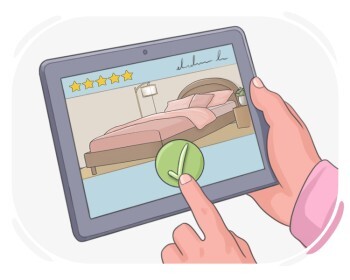
reservation
reservation
[Podstatné jméno]

an arrangement made in advance to have a room, seat, table, or other service kept for someone

rezervace,  rezervace

rezervace, rezervace

Ex: Sarah confirmed her reservation for two nights at the hotel. 
LanGeek
Stáhnout aplikaci LanGeek