pattern

Il libro Face2face - Intermedio - Unità 12 - 12C - Parte 2

Qui troverai il vocabolario dell'Unità 12 - 12C - Parte 2 del libro di corso Face2Face Intermediate, come "creazione", "impiegare", "prevedibile", ecc.

Revisione

Flashcard

forme

Ortografia

Quiz

Inizia a imparare
Face2face - Intermediate
to create
to create
[Verbo]

to bring something into existence or make something happen

creare

creare

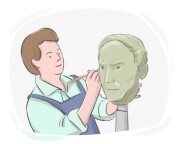
Ex: The artist decided to create a sculpture from marble. 
Chiudi
Accedi
creation
creation
[sostantivo]

the act of bringing something into existence

creazione, opera

creazione, opera

Ex: She focused on the creation of detailed artwork for the exhibition. 
Chiudi
Accedi
creative
creative
[aggettivo]

using imagination and original ideas to create or develop something

creativo
creativo

Ex: Writing stories gives children a chance to be creative. 
Chiudi
Accedi
to pollute
to pollute
[Verbo]

to damage the environment by releasing harmful chemicals or substances to the air, water, or land

inquinare

inquinare

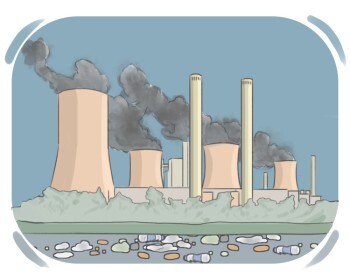
Ex: Oil spills from tankers polluted oceans until preventative measures were put in place. 

Le fuite di petrolio dalle petroliere inquinavano gli oceani finché non furono messe in atto misure preventive.

Chiudi
Accedi
pollution
pollution
[sostantivo]

a change in water, air, etc. that makes it harmful or dangerous

contaminazione

contaminazione

Ex: The pollution caused by plastic waste is a growing environmental crisis. 
Chiudi
Accedi
polluted
polluted
[aggettivo]

containing harmful or dirty substances

inquinare

inquinare

Ex: The polluted groundwater was unsuitable for drinking, contaminated with pollutants from nearby industrial sites. 

Le acque sotterranee inquinate non erano adatte al consumo, contaminate da inquinanti provenienti da siti industriali vicini.

Chiudi
Accedi
to employ
to employ
[Verbo]

to give work to someone and pay them

impiegare

impiegare

Ex: We are planning to employ a gardener to maintain our large yard. 
Chiudi
Accedi
employment
employment
[sostantivo]

a paid job

lavoro

lavoro

Ex: The factory provides employment for over 500 people. 
Chiudi
Accedi
employed
employed
[aggettivo]

having a job or being currently working for someone or a company

impiegato, occupato
impiegato, occupato

Chiudi
Accedi
to embarrass

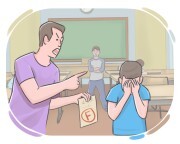
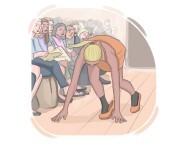
to make a person feel ashamed, uneasy, or nervous, especially in front of other people

imbarazzare

imbarazzare

Ex: Public speaking often embarrasses people, but with practice, it can become more comfortable. 

Parlare in pubblico spesso imbarazza le persone, ma con la pratica può diventare più confortevole.
Chiudi
Accedi
embarrassing
embarrassing
[aggettivo]

causing a person to feel ashamed or uneasy

imbarazzante

imbarazzante

Ex: Being caught in a lie can lead to an embarrassing situation. 

Essere colti in una bugia può portare a una situazione imbarazzante.

Chiudi
Accedi
embarrassment
embarrassment
[sostantivo]

the uncomfortable feeling of being ashamed, awkward, or self-conscious

imbarazzo

imbarazzo

Ex: Jessica covered her face in embarrassment when the video began playing. 
Chiudi
Accedi
embarrassed
embarrassed
[aggettivo]

feeling ashamed and uncomfortable because of something that happened or was said

imbarazzato

imbarazzato

Ex: He was clearly embarrassed by the mistake he made. 

Era chiaramente imbarazzato per l'errore che aveva commesso.
Chiudi
Accedi
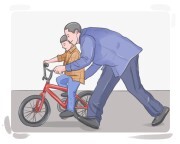
to depend
to depend
[Verbo]

to be based on or related with different things that are possible

dipendere
dipendere

Ex: In team sports, victory often depends on the coordination and synergy among players. 
Chiudi
Accedi
dependent
dependent
[aggettivo]

unable to survive, succeed, or stay healthy without someone or something

dipendente

dipendente

Ex: Some animals are highly dependent on their environment for survival. 
Chiudi
Accedi
dependence
dependence
[sostantivo]

the state of relying on someone or something for support, functioning, or continued existence

dipendenza

dipendenza

Ex: Young children naturally have a strong dependence on adults for care and protection. 
Chiudi
Accedi
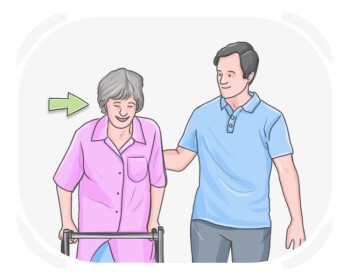
dependable
dependable
[aggettivo]

able to be relied on to do what is needed or asked of

fidato

fidato

Ex: The dependable teacher provides consistent support and guidance to students. 

L'insegnante affidabile fornisce supporto e guida costanti agli studenti.
Chiudi
Accedi
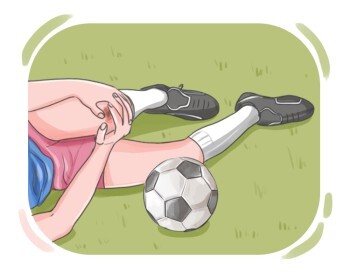
harm
harm
[sostantivo]

any physical injury to the body, especially one inflicted deliberately that is caused by a person or an event

male, danno
male, danno

Ex: Harm from the accident left him with lasting injuries. 
Chiudi
Accedi
harmful
harmful
[aggettivo]

causing damage or negative effects to someone or something

dannoso

dannoso

Ex: Air pollution from vehicles and factories can be harmful to the environment. 

L'inquinamento atmosferico dei veicoli e delle fabbriche può essere dannoso per l'ambiente.

Chiudi
Accedi
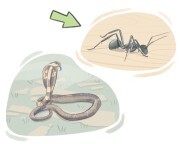
to harm
to harm
[Verbo]

to physically hurt someone or damage something

nuocere, danneggiare
nuocere, danneggiare

Ex: She harms herself by neglecting her well-being. 
Chiudi
Accedi
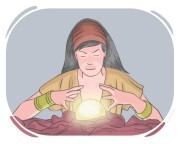
harmless
harmless
[aggettivo]

causing no danger or damage

innocuo

innocuo

Ex: The insect in the garden was harmless and beneficial to the plants. 

L'insetto nel giardino era innocuo e benefico per le piante.
Chiudi
Accedi
to predict
to predict
[Verbo]

to say that something is going to happen before it actually takes place

predire

predire

Ex: She accurately predicted the outcome of the election based on polling data. 
Chiudi
Accedi
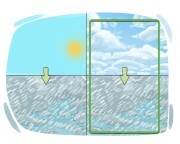
prediction
prediction
[sostantivo]

the act or process of saying what is expected to happen in the future

previsione
previsione

Ex: Maria studies statistical methods for the prediction of election results. 
Chiudi
Accedi
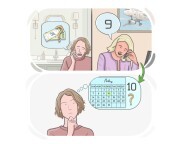
predictable
predictable
[aggettivo]

easily anticipated or expected to happen based on past experiences or knowledge

prevedibile

prevedibile

Ex: The outcome of the experiment was predictable, based on the known laws of physics. 

Il risultato dell'esperimento era prevedibile, basato sulle leggi conosciute della fisica.
Chiudi
Accedi
to confuse
to confuse
[Verbo]

to mistake one person or thing for another or fail to distinguish between them

confondere

confondere

Ex: Students sometimes confuse these two grammatical terms. 
Chiudi
Accedi
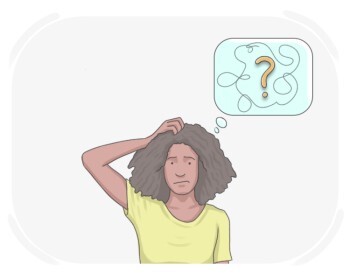
confusion
confusion
[sostantivo]

a state of disorder in which people are uncertain about what is happening or what they should do

confusione
confusione

Ex: Daniel tried to restore order amid the general confusion. 
Chiudi
Accedi
confused
confused
[aggettivo]

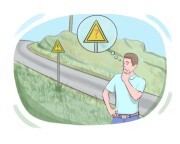
feeling uncertain or not confident about something because it is not clear or easy to understand

confuso

confuso

Ex: The instructions were so unclear that they left everyone feeling confused. 

Le istruzioni erano così poco chiare che hanno lasciato tutti confusi.
Chiudi
Accedi
confusing
confusing
[aggettivo]

not clear or easily understood

confuso

confuso

Ex: The user interface of the app was confusing, making it difficult for users to navigate. 

L'interfaccia utente dell'app era confusa, rendendo difficile la navigazione per gli utenti.
Chiudi
Accedi
to reserve
to reserve
[Verbo]

to set something aside and keep it for future use

riservare
riservare

Ex: As you finish assembling the bookshelf, reserve a few screws for any future adjustments. 
Chiudi
Accedi
reserved
reserved
[aggettivo]

reluctant to share feelings or problems

riservato

riservato

Ex: She appeared reserved, but she was warm and kind once you got to know her. 

Sembrava riservata, ma era calorosa e gentile una volta che la conoscevi.
Chiudi
Accedi
reservation
reservation
[sostantivo]

an arrangement made in advance to have a room, seat, table, or other service kept for someone

riserva

riserva

Ex: Sarah confirmed her reservation for two nights at the hotel. 
Chiudi
Accedi
LanGeek
Scarica l'app LanGeek