
Anglais et Connaissances du Monde pour l'ACT - Mots de transition
Apprenez les mots de transition de l'ACT pour relier les idées, montrer le contraste, la cause, le résultat, la séquence, l'emphase et les relations entre les phrases et les paragraphes.
Réviser
Flashcards
Orthographe
Quiz

used to introduce additional information or to emphasize a point

de plus
L'équipe a fait preuve d'un travail d'équipe exceptionnel pendant le projet, et de plus, elle a dépassé les attentes du client en livrant avant la date prévue.

used to introduce additional information
de plus, en outre
Nos recherches suggèrent que l'exercice améliore le bien-être mental ; de plus, des niveaux d'activité plus élevés procurent des avantages plus importants.
used to introduce extra information or points
de plus, en outre
Elle a une solide expérience en marketing; de plus, elle possède d'excellentes compétences en communication.
used to introduce further information
en outre,de plus
Sarah aime la randonnée et la natation. En outre, elle aime pratiquer le yoga pour se détendre.
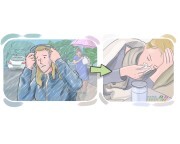
used to suggest a logical conclusion based on the information or reasoning provided
donc, par conséquent
Elle a étudié avec diligence pour l'examen ; par conséquent, elle a réussi le test avec confiance.

used to indicate a logical result or effect
alors, donc, par conséquent
Elle a ignoré les signes avant-coureurs d'épuisement, et par conséquent, son bien-être général en a souffert.
used to indicate that something follows as a result or outcome of a preceding event or action
par conséquent, en conséquence
Elle a ignoré les signes d'avertissement, et en conséquence, elle a eu un accident.
used to indicate the outcome of a preceding action or situation
en conséquence
L'entreprise a mis en œuvre des mesures de réduction des coûts, et en conséquence, leurs bénéfices ont considérablement augmenté.

used to introduce a result based on the information or actions that came before
donc
Il a raté le dernier train ; ainsi, il a dû trouver un autre moyen de transport pour atteindre sa destination.

used to say that one thing is a result of another
d’où
Le vol a été retardé, donc ils ont dû reprogrammer leur vol correspondant.

used to introduce a contrasting aspect of a situation, especially when comparing it to a previous point
d'un autre côté,par contre
Elle aime l'énergie de la ville. D'un autre côté, elle déteste le bruit et la foule.
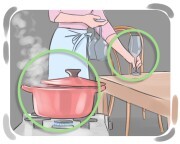
at the same time but often somewhere else
pendant ce temps, pendant ce temps-là
Les enfants jouaient dans le jardin, pendant ce temps les adultes préparaient la nourriture pour le barbecue.
used to add extra information or to introduce a reason that supports what was just said
d’ailleurs, du reste
Elle ne vient pas à la fête. D'ailleurs, il est trop tard pour changer les plans.
in replacement of something that is typically expected or required
à la place de,en remplacement de
Ils ont décidé d'utiliser la communication par courriel au lieu de les réunions en face à face.
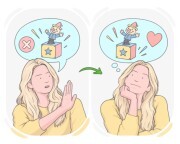
used to introduce statement that is in contrast to what one previously stated
cela dit
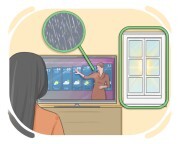
used to add a statement that contradicts what was just mentioned
pourtant, cependant
Il s'attendait à ce que la tâche soit difficile ; cependant, elle s'est avérée étonnamment simple.

used to say something surprising compared to the main idea
bien que, quoique
Bien qu'il ait peur des hauteurs, il a décidé d'essayer le saut à l'élastique.
used to indicate that despite a previous statement or situation, something else remains true
néanmoins
Elle avait des doutes sur le plan ; elle l'a approuvé néanmoins.
despite what has been said or done
quand même,tout de même
L'examen était difficile. Pourtant, elle a réussi haut la main.

used to introduce an opposing statement
pourtant
Les données étaient erronées ; l'équipe les a néanmoins publiées.
used to highlight the differences between two or more things or people
par contre
En été, la ville grouille de touristes et d'événements en plein air ; en revanche, les mois d'hiver sont calmes et tranquilles.
used to introduce an action or situation that contrasts with what was expected or intended
used to indicate that despite a certain fact or situation mentioned in the first clause, the second clause follows
bien que,malgré que
Même si elle a étudié dur, elle n'a pas bien réussi à l'examen.
in a way that is different from what has been mentioned
inversement
Malgré les assurances d'une performance améliorée, les utilisateurs ont constaté que, inversement, le nouveau logiciel a introduit plus de problèmes opérationnels.
used to indicate that the opposite or a different viewpoint is true in response to a previous statement
au contraire,bien au contraire
Sarah s'attendait à ce que la réunion soit courte et improductive. Au contraire, elle s'est avérée être une discussion animée avec de nombreuses idées innovantes.
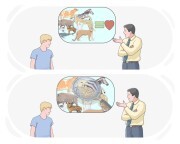
used to provide a specific situation or instance that helps to clarify or explain a point being made
used to introduce an example of something mentioned
par exemple,à titre d'exemple
Apprendre une nouvelle langue peut être bénéfique à bien des égards ; par exemple, cela peut améliorer les capacités cognitives et renforcer la compréhension culturelle.
used to introduce the second point, reason, step, etc.
deuxièmement
Pour assembler les meubles, premièrement, connectez les pièces du cadre. Deuxièmement, fixez les étagères.
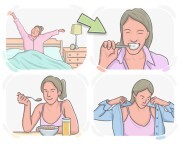
after a particular event or time
ensuite, par la suite
L'avion a atterri en toute sécurité et ensuite a roulé jusqu'à la porte.
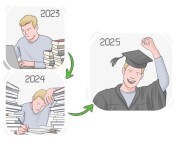
used to introduce the last event or item in a series of related things
enfin
Elle a essayé l'entrée, le plat principal et enfin, le dessert pendant son dîner dans le nouveau restaurant.
in the time following a specific action, moment, or event
après ça, après, après cela
Il a terminé sa réunion, et ensuite, il a pris une pause pour prendre un café.
before the present moment or a specific time
auparavant, plus tôt
J'avais précédemment visité la ville pour une conférence avant de m'y installer pour travailler.
at the time or point immediately following the present
après, par la suite
Après avoir terminé un chapitre, il tourna avidement la page pour voir ce qui se passerait ensuite.
at a time following the current or mentioned moment, without specifying exactly when
plus tard
Elle finira ses devoirs plus tard ce soir.

in a way that is almost the same
de la même façon, de même
Les jumeaux sont similairement talentueux dans le jeu d'instruments de musique.
in a manner that is gradually growing in degree, extent, or frequency over time
de plus en plus
Avec chaque jour qui passe, le temps devient de plus en plus froid.
used to provide an alternative or clearer way of expressing the same idea
en d'autres termes,autrement dit
Elle est une workaholic— en d'autres termes, elle travaille toujours.
used to indicate a logical consequence based on the circumstances or information provided
par conséquent, donc
Elle a terminé le programme de formation requis et, en conséquence, elle a reçu une certification pour ses nouvelles compétences.
used to indicate how something is achieved or the result of an action
ainsi
L'entreprise a adopté des pratiques respectueuses de l'environnement, ce faisant réduisant son empreinte carbone.

used to emphasize or confirm a statement
en effet, effectivement
Les indicateurs économiques pointent, en effet, vers une période de croissance.
used to introduce a statement that provides additional information or emphasizes the truth or reality of a situation
en fait,en réalité
Le projet semblait simple, mais en fait, il nécessitait des recherches et une planification approfondies.
in a clear, precise, or explicit way
at the present time
actuellement, en ce moment
Je suis actuellement en train de répondre à votre demande.
used to highlight differences or similarities when comparing two or more things or people
en comparaison,par comparaison
En comparaison avec les chiffres de vente de l'année dernière, les résultats de cette année sont nettement plus élevés.
used to add information that is also true or relevant
de même
used to emphasize what is true or what really happened
vraiment

as a second choice or another possibility
ou bien, ou sinon
Au lieu d'utiliser de la farine traditionnelle, vous pouvez alternativement utiliser de la farine d'amande dans la recette.
used to provide a brief and straightforward explanation of the main points or ideas
en résumé,pour résumer
En résumé, la présentation a couvert trois sujets principaux : l'analyse du marché, le développement de produits et la stratégie marketing.
in a sequential manner, referring to actions or events occurring in a specific order
à tour de rôle,successivement
Les invités se sont présentés à tour de rôle lors de l'événement de réseautage.
with no attention to the thing mentioned
quoi qu'il en soit
Il a continué à poursuivre son rêve sans tenir compte des obstacles auxquels il a fait face.
