
Inglés y Conocimientos del Mundo para ACT - Palabras de transición
Aprende las palabras de transición del ACT para conectar ideas, mostrar contraste, causa, resultado, secuencia, énfasis y relaciones entre oraciones y párrafos.
Revisión
Tarjetas de memoria
Ortografía
Cuestionario

used to introduce additional information or to emphasize a point

además
El producto ofrece características avanzadas a un precio asequible, y además, viene con una garantía que asegura la satisfacción del cliente.

used to introduce additional information
además
El software ofrece una interfaz fácil de usar y, además, incorpora funciones de seguridad avanzadas para la protección de datos.
used to introduce extra information or points
además
La empresa está lanzando un nuevo producto el próximo mes, y además, planean expandir su presencia en el mercado internacionalmente.
used to introduce further information
además, también
Ella habla con fluidez español y francés y, además, habla un poco de italiano.
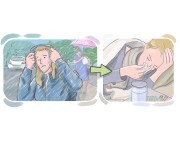
used to suggest a logical conclusion based on the information or reasoning provided
por lo tanto, por consiguiente
El tráfico era pesado, y por lo tanto, llegó a la reunión más tarde de lo esperado.

used to indicate a logical result or effect
por consiguiente
El equipo descuidó realizar pruebas exhaustivas, y en consecuencia, surgieron varios errores críticos en el producto final.
used to indicate that something follows as a result or outcome of a preceding event or action
por consiguiente, como consecuencia
La empresa redujo costos, y como consecuencia, la moral de los empleados se vio afectada.
used to indicate the outcome of a preceding action or situation
como resultado
Ella invirtió en acciones en el momento adecuado, y como resultado, vio un retorno sustancial en su inversión.

used to introduce a result based on the information or actions that came before
por consiguiente

used to say that one thing is a result of another
por lo tanto
La tienda estaba cerrada, por lo tanto tuvieron que encontrar otro lugar para comprar.

used to introduce a contrasting aspect of a situation, especially when comparing it to a previous point
por otro lado, por otra parte
Este teléfono tiene una cámara excelente. Por otro lado, su duración de batería es terrible.
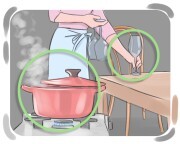
at the same time but often somewhere else
mientras tanto
used to add extra information or to introduce a reason that supports what was just said
además
No deberíamos preocuparnos por eso. Además, está fuera de nuestro control.
in replacement of something that is typically expected or required
en lugar de, en sustitución de
El gerente permitió a los empleados tomar tiempo libre adicional en lugar de el pago de horas extras.
used to introduce statement that is in contrast to what one previously stated
dicho esto, dicho lo cual
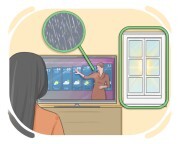
used to add a statement that contradicts what was just mentioned
sin embargo
El equipo trabajó duro; sin embargo, no lograron los resultados esperados.

used to say something surprising compared to the main idea
aunque
Aunque llovía mucho, continuamos nuestro picnic.
used to indicate that despite a previous statement or situation, something else remains true
sin embargo, no obstante
El clima era peligroso; los excursionistas continuaron no obstante.
despite what has been said or done
aún así, sin embargo

used to introduce an opposing statement
sin embargo
used to highlight the differences between two or more things or people
por el contrario
John prefiere trabajar independientemente, en contraste con Sarah, que prospera en un entorno colaborativo.
in contrast to what was expected or suggested
en cambio, en vez de eso
Pensaron que el proyecto tomaría meses; en cambio, lo completaron en solo unas pocas semanas.
used to indicate that despite a certain fact or situation mentioned in the first clause, the second clause follows
aunque, a pesar de que
Aunque estaba cansado, se quedó despierto hasta tarde para terminar el proyecto.
in a way that is different from what has been mentioned
al contrario
Aunque esperaba una mayor vitalidad a través del ejercicio, por el contrario, se sentía más fatigada después de cada entrenamiento.
used to indicate that the opposite or a different viewpoint is true in response to a previous statement
al contrario, por el contrario
Algunos argumentan que el cambio climático es un engaño. Por el contrario, la gran mayoría de los científicos coinciden en que el cambio climático es real y causado por la actividad humana.
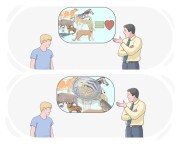
used to provide a specific situation or instance that helps to clarify or explain a point being made
used to introduce an example of something mentioned
por ejemplo, a modo de ejemplo
Hay varias formas de mantenerse en forma; por ejemplo, puedes unirte a un gimnasio, empezar a nadar o salir a correr regularmente.
used to introduce the second point, reason, step, etc.
en segundo lugar
Al presentar tus hallazgos, primero discute la metodología. En segundo lugar, presenta los resultados.

after a particular event or time
posteriormente
Ella dio una breve introducción y posteriormente abrió el turno de preguntas.
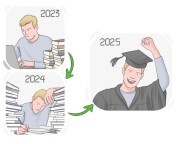
used to introduce the last event or item in a series of related things
finalmente
Después de revisar los documentos, realizar entrevistas y analizar los datos, los investigadores finalmente llegaron a una conclusión.
in the time following a specific action, moment, or event
después, más tarde, luego
Después, la tormenta amainó, dejando atrás una tarde tranquila.
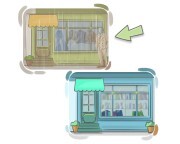
before the present moment or a specific time
anteriormente, antes
El sistema actual opera de manera más eficiente que el utilizado anteriormente.
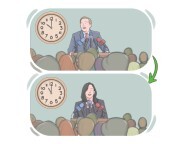
at the time or point immediately following the present
luego, después
A continuación, el chef añadió una pizca de sal para realzar el sabor del plato.
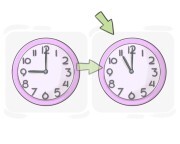
at a time following the current or mentioned moment, without specifying exactly when
más tarde
Decidieron comenzar su viaje más tarde por la mañana.

in a way that is almost the same
asimismo, de igual modo
Los proyectos se estructuraron de manera similar para garantizar la coherencia.
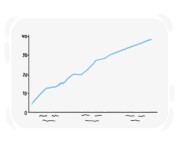
in a manner that is gradually growing in degree, extent, or frequency over time
cada vez más, cada vez mayor
El equipo está cada vez más seguro de alcanzar sus objetivos.
used to provide an alternative or clearer way of expressing the same idea
en otras palabras, dicho de otra manera
Él es frugal con su dinero; en otras palabras, tiene cuidado con cómo lo gasta.
used to indicate a logical consequence based on the circumstances or information provided
por consiguiente, por lo tanto
El producto recibió críticas positivas de los clientes, y en consecuencia, la empresa experimentó un aumento en las ventas.
used to indicate how something is achieved or the result of an action
así
Invirtió en desarrollo profesional, así mejorando sus perspectivas de carrera.

used to emphasize or confirm a statement
ciertamente, de verdad
Los rumores sobre el lanzamiento del nuevo producto eran, efectivamente, precisos.
used to introduce a statement that provides additional information or emphasizes the truth or reality of a situation
de hecho, en realidad
Ella estaba segura de los hechos, y de hecho, su investigación fue exhaustiva y precisa.
in a manner that is detailed, precise, and clear
específicamente, expresamente
El manual específicamente detalla el manejo y mantenimiento adecuado del equipo.
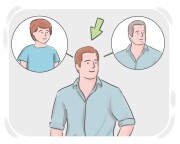
at the present time
actualmente, en este momento
Ella actualmente está estudiando para sus próximos exámenes.
used to highlight differences or similarities when comparing two or more things or people
en comparación, por comparación
En comparación, su hermana es más extrovertida y sociable.
used when introducing additional information to a statement that has just been made
igualmente
Eres responsable de presentar tu parte a tiempo; igualmente, todos los demás deben cumplir con el plazo.
used to emphasize a fact or the truth of a situation
realmente
Afirmó haber visitado muchos países, y en realidad, ha estado en todos los continentes.

as a second choice or another possibility
alternativamente
used to provide a brief and straightforward explanation of the main points or ideas
en resumen, para resumir
En resumen, la novela explora temas de amor, pérdida y redención a través de las experiencias de sus personajes.
in a sequential manner, referring to actions or events occurring in a specific order
por turnos, sucesivamente
Los empleados fueron llamados a la sala de reuniones por turnos para recibir sus evaluaciones de desempeño.
with no attention to the thing mentioned
a pesar de todo
El evento se llevará a cabo al aire libre sin importar el pronóstico del tiempo.
