
Liste de Mots Niveau B1 - Verbes Essentiels 2
Ici, vous apprendrez quelques verbes anglais nécessaires, tels que "face", "fold", "force", etc., préparés pour les apprenants de niveau B1.
Réviser
Flashcards
Orthographe
Quiz
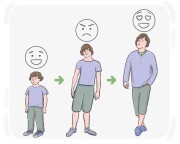
to personally be involved in and understand a particular situation, event, etc.

ressentir
L'équipe va vivre les défis d'une compétition difficile.
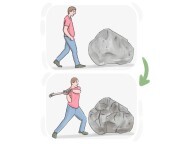
to deal with a given situation, especially an unpleasant one
faire face à
La communauté fait face régulièrement à des problèmes environnementaux dus à la pollution.
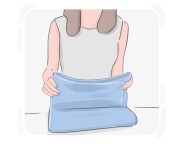
to bend something so that one part lies over or against another
plier, replier
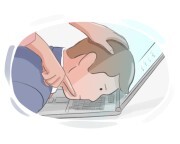
to make someone behave a certain way or do a particular action, even if they do not want to
forcer,contraindre
Hier, il s'est forcé à contrecœur à assister à la session de formation obligatoire.
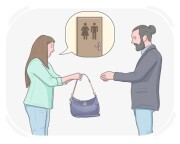
to physically take an object and give it to someone
donner
Il a demandé à son assistant de lui remettre les documents du classeur.
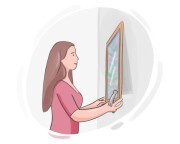
to attach something to a higher point so that it is supported from above and can swing freely
accrocher
Il a accroché son manteau au crochet près de la porte avant d'entrer dans la maison.
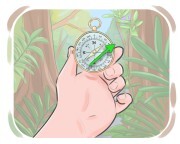
to move toward a particular direction
se diriger
Les oiseaux se dirigent généralement vers le sud pour l'hiver.
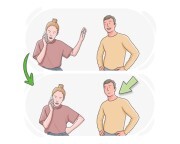
to tell someone to wait or pause what they are doing momentarily
attendre ou s'arrêter un moment, interrompre momentanément ce que l'on fait
Je dois prendre cet appel; pouvez-vous patienter un instant?
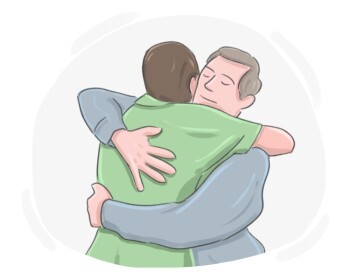
to tightly and closely hold someone in one's arms, typically a person one loves
prendre [qqn] dans ses bras, embrasser, se prendre dans les bras
Ravie de se voir, ils se sont chaleureusement embrassés en se rencontrant à l'aéroport.
to intentionally pay no or little attention to someone or something
ignorer
L'enseignant a dû s'adresser à l'élève qui continuait à ignorer les règles de la classe.
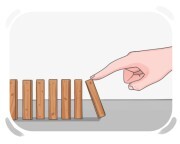
to have a strong effect on someone or something
avoir un impact sur, affecter
Les modèles positifs peuvent influencer le développement des valeurs et du comportement d'un enfant.
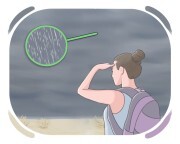
to show, point out, or suggest the existence, presence, or nature of something
indiquer, montrer
Les nuages sombres indiquent une tempête qui approche.
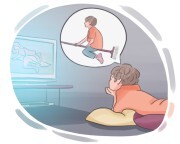
to have an effect on a particular person or thing
influencer
Les facteurs culturels peuvent influencer la façon dont les individus perçoivent et répondent à certaines situations.
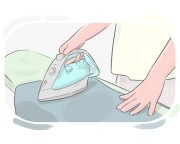
to use a heated appliance to straighten and smooth wrinkles and creases from fabric
repasser
Le service de blanchisserie repasser les draps pour leur donner une apparence nette.
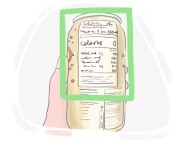
to stick or put something such as tag or marker, with a little information written on it, on an object
étiqueter
Veuillez étiqueter les fichiers sur l'étagère pour maintenir l'organisation.
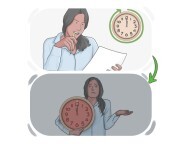
to be without or to not have enough of something that is needed or desirable
manquer de
La performance de l'équipe a souffert parce qu'ils manquaient de coordination et de communication.
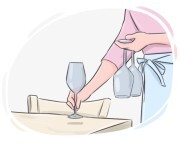
to carefully place something or someone down in a horizontal position
mettre
Le parent a doucement posé le bébé endormi dans le berceau.
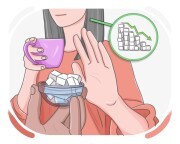
to not let something increase in amount or number
limiter, réduire, restreindre
Elle a essayé de limiter son apport en sucre pour rester en bonne santé.
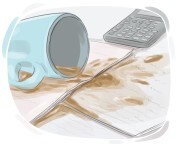
to make something dirty, untidy, or disordered
mettre en désordre
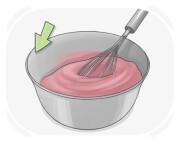
to combine two or more distinct substances or elements to form a unified whole
mélanger
Dans le laboratoire, les scientifiques mélangent régulièrement des produits chimiques pour observer leurs réactions.
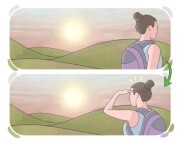
to observe and pay attention to something
remarquer, constater, noter
En tant que détective, il s'est entraîné à noter même les moindres changements sur la scène du crime.
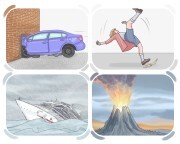
to come to be or take place, especially unexpectedly or naturally
se produire, apparaître, se présenter, arriver
Les catastrophes naturelles, comme les tremblements de terre, se produisent fréquemment dans les régions sismiques.
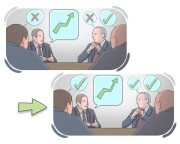
to make a person do something through reasoning or other methods
persuader
Je n'ai pas pu persuader de reconsidérer sa décision.
to lay or put something somewhere
placer, mettre
Le chat aime se placer près de la fenêtre pour se prélasser au soleil.
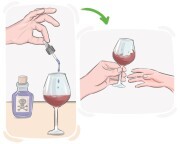
to make a person or animal ill or kill them by causing poison to enter their body
empoisonner
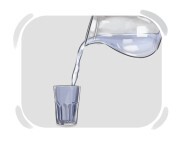
to make a container's liquid flow out of it
verser, servir
Il a versé de l'eau dans le verre jusqu'à ce qu'il soit plein.
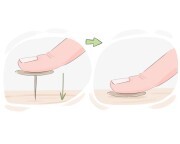
to push a thing tightly against something else
pousser
L'athlète pressa son corps contre le mur, se préparant pour le signal de départ.
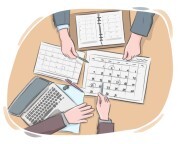
to make or arrange a plan for a series of events, activities, etc. for a specific purpose or audience
programmer
Les membres du comité ont travaillé ensemble pour programmer une variété d'activités pour le camp d'été.
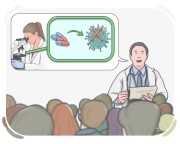
to show that something is true through the use of evidence or facts
prouver
Hier, l'équipe a réussi à prouver l'efficacité du nouveau médicament.
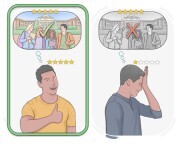
to meet the requirements or conditions needed for a particular position, benefit, status, or purpose
répondre aux critères de, avoir le droit à, remplir les conditions requises
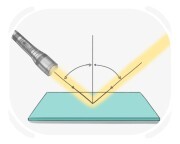
(of a surface) to redirect or bounce back heat, light, or sound without absorbing it
réfléchir, refléter
Les ondes sonores ont frappé les parois du canyon et se sont réfléchies, créant des échos.
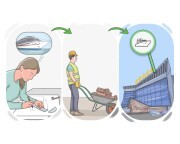
to make or show a logical connection between two things
relier
L'enseignant a encouragé les élèves à relier les concepts mathématiques aux applications du monde réel pour une meilleure compréhension.
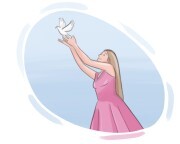
to stop holding or gripping someone or something
lâcher
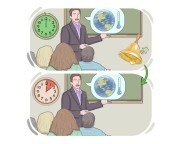
to stay in the place one has been for some time
rester
Les voyageurs étaient épuisés, alors ils ont choisi de rester dans l'hôtel confortable un jour de plus.
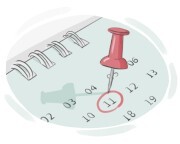
to make a person remember an obligation, task, etc. so that they do not forget to do it
rappeler
Les parents rappellent souvent à leurs enfants de faire leurs devoirs.

to be an image, sign, symbol, etc. of something
représenter
Ses actions représentent constamment ses valeurs.
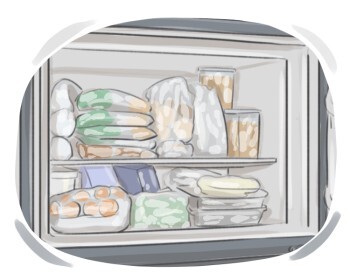
to become solid because of low temperature
geler, se congeler
