500 Most Common English Adverbs - Top 26 - 50 Adverbs

Here you are provided with the part 2 of the list of the most common adverbs in English such as "maybe", "never", and "all".

review-disable

review

flashcard-disable

flashcard

spelling-disable

spelling

quiz-disable

quiz

start-learning
500 Most Common English Adverbs
maybe [adverb]

used to show uncertainty or hesitation
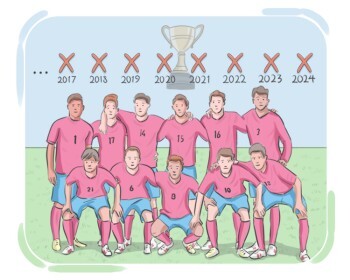
Ex: The new employee might join our team , but it 's not confirmed , maybe next week .
never [adverb]

not at any point in time

Ex: I never thought I 'd see such a beautiful sunset .
always [adverb]

at all times, without any exceptions

Ex: The restaurant always serves delicious food .
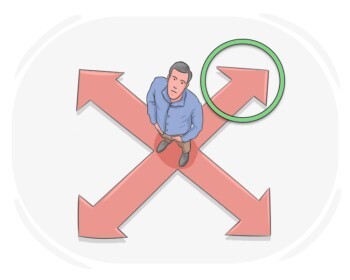
back [adverb]

in or to the direction behind us

Ex:
most [adverb]

used to refer to someone or something that possesses the highest degree or amount of a particular quality

Ex: It was the most exciting movie I 've seen this year .
all [adverb]

to the full or complete degree

Ex:
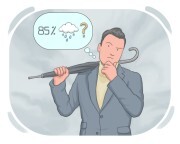
probably [adverb]

used to show likelihood or possibility without absolute certainty
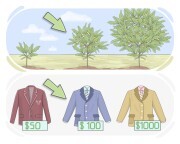
Ex: It will probably rain later in the evening , so bring an umbrella .
pretty [adverb]

to a degree that is high but not very high
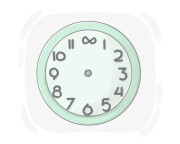
Ex: It was pretty late when they finally got home .
ever [adverb]

at any point in time

Ex: Do n't ever speak to me like that again .
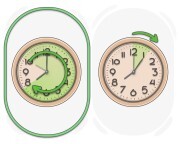
already [adverb]

before the present or specified time

Ex: I already knew the answer before he explained it .
of course [interjection]

used to give permission or express agreement
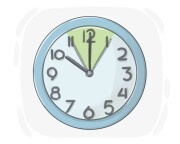
Ex: Of course , you can bring your friend to the party .
about [adverb]

used with a number to show that it is not exact
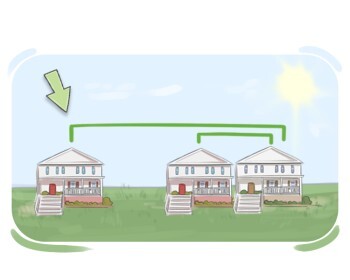
Ex: The book costs about $ 15 .
far [adverb]

to or at a great distance

Ex: The children could see the kite soaring far above the treetops .
long [adverb]

for a great amount of time

Ex: The journey took long , but they finally reached their destination .
together [adverb]

in the company of or in proximity to another person or people
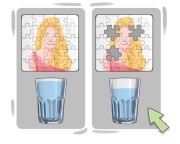
Ex: They traveled together across Europe last summer .
almost [adverb]

used to say that something is nearly the case but not completely
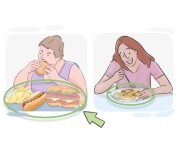
Ex: The store was almost empty , with just a few customers browsing the aisles .
else [adverb]

in addition to what is already mentioned or known
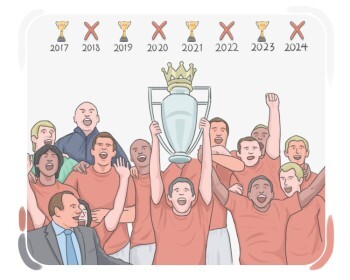
Ex: If you do n't like this restaurant , we can go somewhere else for lunch .
sometimes [adverb]

on some occasions but not always

Ex: They sometimes play board games as a family .
often [adverb]

on many occasions

Ex: The library is often quiet during weekdays .
once [adverb]

for one single time

Ex: She called me once but never again .
later [adverb]

at a time following the current or mentioned moment, without specifying exactly when

Ex: They decided to start their trip later in the morning .
exactly [adverb]

used to indicate that something is completely accurate or correct

Ex: The meeting will start exactly at 9 AM , so please be on time .
basically [adverb]

used to state one's opinion while emphasizing or summarizing its most important aspects

Ex: Basically , she 's saying that we need to try harder .