
C2 Szintű Szólista - Háború és Hadsereg
Itt megtanulod az összes alapvető szót a háborúról és a hadseregről való beszédhez, különösen C2 szintű tanulók számára összegyűjtve.
Áttekintés
Villámkártyák
alakok
Betűzés
Kvíz


a massive group of warships organized for military or strategic purposes

armada, hadiflotta
A történészek a armadát tanulmányozzák fordulópontként a tengeri háborúban.
a temporary stoppage or truce in hostilities between parties engaged in a war or conflict
fegyverszünet, tűzszünet
A fegyverszünet lehetővé tette mindkét fél számára, hogy visszaszerezze sebesültjeit és halottait a senki földjéről a lövészárok között.
a professional soldier hired to serve in a foreign army, often motivated by payment rather than ideological or national allegiance
zsoldos, szerencsekatona
A zsoldoscsoport a legmagasabb ajánlattevőnek kínálta szolgáltatásait, függetlenül politikai hovatartozástól.
a defensive barrier erected during wartime to obstruct enemy movement and provide protection for defending forces
barikád
A barikádok stratégiai elhelyezése a kulcsfontosságú útvonalak mentén lelassította az ellenség előrehaladását, lehetővé téve a megerősítések érkezését.
a military unit composed of a varying number of companies or platoons, typically commanded by a lieutenant colonel
zászlóalj, katonai egység
Az új toborzottakat egy zászlóaljhoz osztották be, és elkezdték a kiképzést.
a military unit, subdivision of a company, typically with a headquarters and two or more squads, usually led by a lieutenant
szakasz, csoport
A zászlóalj minden szakasza rendelkezik egy kijelölt őrmesterrel.
the covert gathering of information for political, military, or economic purposes, often conducted by intelligence agencies
kémkedés
A diplomát gyanúsították kémkedéssel, ami fokozott megfigyelést és nyomozást eredményezett.
a sudden, violent seizure of governmental power by a small group
államcsíny
A sikertelen államcsíny széles körű káoszt és instabilitást eredményezett az egész országban.
a fierce and intense attack, often with the goal of overwhelming the opponent
roham, offenzíva
A tüntetők könnygáz és gumilövedékek rohama ellen harcoltak, miközben összecsaptak a rendőrökkel.
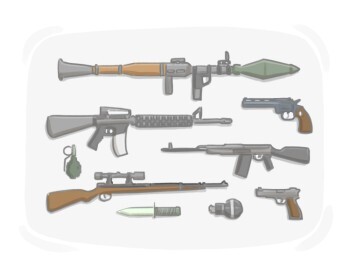
the military equipment and weaponry used by a country or military force
fegyverzet
A katonai bázis lenyűgöző fegyverzetet mutatott be, tankokat, tüzérségi lövegeket és páncélozott járműveket bemutatva.
a place where weapons and ammunition are made, stored, or maintained
arzenál
a military strategy or capability designed to dissuade an adversary from aggression
elrettentő, elrettentő tényező
Egy erős katonai szövetség elrettentőként hathat más nemzetek inváziója ellen.
bullets, shells, or other projectiles used in firearms
lőszer, töltények
A vadász lőszert töltött a puskájába.
a large weapon that was used in ancient times to throw stones or other objects with great force
katapult, ballisztika
A modern történészek az ókori katapultok mechanikáját és tervezését tanulmányozzák, hogy jobban megértsék a múlt ostromháborús technológiáit.
a portable rocket launcher designed for use against tanks and armored vehicles
hordozható rakétaindító, bazooka
A tankroham során a katonák bazookákat vetettek be az ellenséges páncélozott járművek célzására és hatástalanítására.
fragments from an explosion, causing damage to surroundings
repeszek, gránátszilánk
A védőmellények úgy vannak kialakítva, hogy minimalizálják a repeszek hatását a harctéri katonákra.
an early firearm with a long barrel, used by infantry from the 16th to 18th centuries
muskéta, kanócpuska
A muskéta kulcsszerepet játszott a 17. századi európai konfliktusokban, megváltoztatva a csatatéri taktikák természetét.
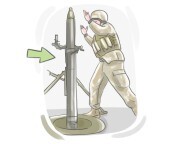
a short-barreled, muzzle-loaded artillery piece that fires explosive shells at high angles for close-range support
aknavető, gránátvető
A aknavető hordozható tüzérségi eszköz, amely képes robbanó lövedékeket lőni rövid és közepes távolságokra.
an attack by aircraft, typically involving the dropping of bombs, on a location or a series of locations
légitámadás, bombázás
A város egy sor légitámadást élt át, amelyek kulcsfontosságú ipari és stratégiai helyszíneket céloztak meg.
an area in hostile territory captured and secured as a foothold for further troops and supplies
hídfő, hídfőállás
Erősítéseket küldtek a hídfőhöz, hogy megerősítsék védelmét.
an individual who is forced to flee from a dangerous place or region
evakuált, menekült
Ahogy a árvíz vize emelkedett, a mentőmunkások siettek evakuálni a rekedt evakuáltakat otthonaikból.
a military stronghold where soldiers are stationed for defense
helyőrség, erőd
A határváros helyőrsége megerősítésre került a háború idején.
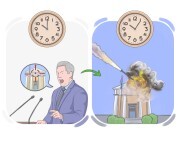
to carry out a sudden and intense military attack
hirtelen és intenzív katonai támadást végrehajtani, blitzet hajtani végre
A csapatokat mobilizálták, hogy villámháborút vívjanak a felkelők erődjén, céljuk a védelmi képességeik gyors lebontása volt.
to plunder, typically during times of war or civil unrest
fosztogat, kifoszt
Az ostrom alatt a fosztogató erők megpróbálták kifosztani a várost, elvéve minden értékes tárgyat, amit találtak.
to thrust or strike with a long-pointed weapon
lándzsáz, átszúr
A történelmi rekonstrukcióban a lovasság bemutatta, hogyan lehet hatékonyan lándzsával támadni az ellenfeleket egy szimulált csatában.
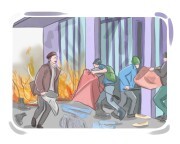
to steal goods from a place or person, especially during times of war, chaos, or civil disorder
fosztogat, kifoszt
A történelmi beszámolók leírják, hogyan fosztogatták a falvakat és városokat a hódítók a konfliktusok alatt.
to attack ground targets, such as enemy troops or installations, with gunfire from low-flying aircraft
lő, bombáz
A felderítő küldetés során a repülőgépnek lőnie kellett az ellenséges pozíciókat, hogy biztosítsa a földi csapat biztonságát.
to maneuver around the side of an enemy force, position, or defensive line in order to gain a tactical advantage
megkerül, oldalba támad
A csata során a lovasság stratégiailag elhelyezkedett, hogy megkerülje az ellenséges gyalogságot, megzavarva azok alakzatát.

to defeat someone completely and decisively
legyőz, eltöröl
A tábornok stratégiai zsenialitása lehetővé tette a csapatok számára, hogy legyőzzék az ellenséget, ami feltétel nélküli megadásukhoz vezetett.
the act of surrounding the enemy, a town, etc. and cutting off their supplies so that they would surrender
ostrom, blokád
Az ostrom alatt a város lakói éhínséggel és betegségekkel néztek szembe, miközben állandó támadások ellen védekeztek.
to make a counterattack or respond in a similar manner
viszonoz, megtorol
A szervezet úgy döntött, hogy megtorolja a hackerkísérleteket a forrás elleni támadással.
