pattern

C2レベルの単語リスト - 戦争と軍隊

ここでは、戦争と軍隊について話すためのすべての基本的な単語を学びます。特にC2レベルの学習者のために集められました。

レビュー

フラッシュカード

語形

綴り

クイズ

学習を開始
CEFR C2 Vocabulary
armada
armada
[名詞]

a massive group of warships organized for military or strategic purposes

アルマダ, 艦隊

アルマダ, 艦隊

Ex: The armada advanced under the cover of night to surprise the enemy. 

アルマダは夜の覆いの下で敵を驚かせるために前進した。

armistice
armistice
[名詞]

a temporary stoppage or truce in hostilities between parties engaged in a war or conflict

休戦, 停戦

休戦, 停戦

Ex: The warring nations signed an armistice agreeing to a one-month ceasefire to allow humanitarian aid delivery and prisoner exchanges. 

交戦国は休戦協定に署名し、人道支援の提供と捕虜交換を可能にするための1ヶ月間の停戦に合意しました。

mercenary
mercenary
[名詞]

a professional soldier hired to serve in a foreign army, often motivated by payment rather than ideological or national allegiance

傭兵, 運命の兵士

傭兵, 運命の兵士

Ex: The army hired mercenaries to bolster its forces during the conflict in the region. 

軍隊は地域の紛争中にその勢力を強化するために傭兵を雇った。

barricade
barricade
[名詞]

a defensive barrier erected during wartime to obstruct enemy movement and provide protection for defending forces

バリケード

バリケード

Ex: Soldiers hastily constructed barricades using sandbags to fortify their positions against advancing enemy troops. 

兵士たちは、前進する敵軍に対して自らの陣地を強化するために、砂袋を使って急いでバリケードを築いた。

battalion
battalion
[名詞]

a military unit composed of a varying number of companies or platoons, typically commanded by a lieutenant colonel

大隊, 軍事部隊

大隊, 軍事部隊

Ex: The battalion coordinated with other units for the large-scale exercise. 

大隊は大規模な演習のために他の部隊と調整しました。

platoon
platoon
[名詞]

a military unit, subdivision of a company, typically with a headquarters and two or more squads, usually led by a lieutenant

小隊, 分隊

小隊, 分隊

Ex: The battalion consists of several platoons. 

大隊はいくつかの小隊で構成されています。

espionage
espionage
[名詞]

the covert gathering of information for political, military, or economic purposes, often conducted by intelligence agencies

スパイ活動

スパイ活動

Ex: The spy engaged in espionage activities to uncover sensitive military plans of the opposing nation. 

スパイは、敵対する国の敏感な軍事計画を明らかにするためにスパイ活動に従事した。

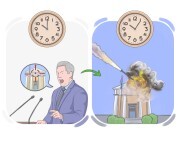
coup d'etat
coup d'etat
[名詞]

a sudden, violent seizure of governmental power by a small group

クーデター

クーデター

Ex: The coup d'état led to the ousting of the country's president and the establishment of military rule. 

クーデターにより、国の大統領が追放され、軍事政権が樹立されました。

onslaught
onslaught
[名詞]

a fierce and intense attack, often with the goal of overwhelming the opponent

猛攻,  攻撃

猛攻, 攻撃

Ex: The army launched a relentless onslaught against enemy positions, pushing them back and gaining ground. 

軍隊は敵の陣地に対して容赦ない攻撃を開始し、彼らを押し戻し、地面を獲得しました。
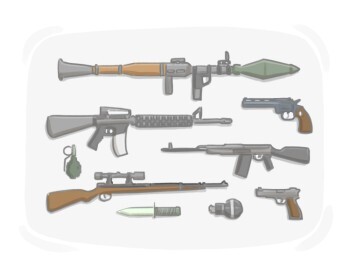
armament
armament
[名詞]

the military equipment and weaponry used by a country or military force

軍備

軍備

Ex: The country invested heavily in modernizing its armament, acquiring advanced missile defense systems and fighter jets. 

その国は軍備の近代化に多額の投資を行い、先進的なミサイル防衛システムと戦闘機を取得しました。

arsenal
arsenal
[名詞]

a place where weapons and ammunition are made, stored, or maintained

兵器庫

兵器庫

Ex: The army stored damaged equipment at a nearby arsenal. 
deterrent
deterrent
[名詞]

a military strategy or capability designed to dissuade an adversary from aggression

抑止力, 抑止要因

抑止力, 抑止要因

Ex: Nuclear weapons serve as a deterrent against potential nuclear attacks. 

核兵器は潜在的な核攻撃に対する抑止力として機能します。

ammunition
ammunition
[名詞]

bullets, shells, or other projectiles used in firearms

弾薬, 弾丸

弾薬, 弾丸

Ex: Soldiers checked their ammunition before the battle. 

兵士たちは戦闘前に 弾薬 を確認した。

catapult
catapult
[名詞]

a large weapon that was used in ancient times to throw stones or other objects with great force

カタパルト, 投石機

カタパルト, 投石機

Ex: Medieval siege engineers designed ever larger catapults capable of hurling massive projectiles to bring down fortification towers. 

中世の攻城技師たちは、要塞の塔を倒すために巨大な投射物を投げることができるますます大きなカタパルトを設計しました。

bazooka
bazooka
[名詞]

a portable rocket launcher designed for use against tanks and armored vehicles

携帯型ロケットランチャー, バズーカ

携帯型ロケットランチャー, バズーカ

Ex: The infantry squad carried a bazooka to counter potential armored threats on the battlefield. 

歩兵小隊は戦場での潜在的な装甲脅威に対抗するためにバズーカを携行した。

shrapnel
shrapnel
[名詞]

fragments from an explosion, causing damage to surroundings

破片, 榴散弾

破片, 榴散弾

Ex: The blast sent shrapnel flying in all directions, causing injuries to nearby civilians. 

爆発により破片が四方八方に飛び散り、近くの民間人にけがを負わせた。

musket
musket
[名詞]

an early firearm with a long barrel, used by infantry from the 16th to 18th centuries

マスケット銃, 火縄銃

マスケット銃, 火縄銃

Ex: The musket was a standard infantry weapon during the American Revolutionary War. 

マスケット銃は、アメリカ独立戦争中の標準的な歩兵武器でした。

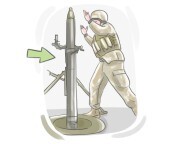
mortar
mortar
[名詞]

a short-barreled, muzzle-loaded artillery piece that fires explosive shells at high angles for close-range support

迫撃砲, グレネードランチャー

迫撃砲, グレネードランチャー

Ex: The soldiers set up a mortar to provide fire support for advancing infantry units. 

兵士たちは、前進する歩兵部隊への火力支援のために迫撃砲を設置した。

air raid
air raid
[名詞]

an attack by aircraft, typically involving the dropping of bombs, on a location or a series of locations

空襲, 爆撃

空襲, 爆撃

Ex: The air raid sirens wailed as citizens rushed to seek shelter during the bombing. 

爆撃中、市民が急いで避難所を探している間、空襲のサイレンが鳴り響いた。

bridgehead
bridgehead
[名詞]

an area in hostile territory captured and secured as a foothold for further troops and supplies

橋頭堡, ブリッジヘッド

橋頭堡, ブリッジヘッド

Ex: The army established a bridgehead on the far side of the river. 

軍隊は川の向こう側に橋頭堡を築いた。

evacuee
evacuee
[名詞]

an individual who is forced to flee from a dangerous place or region

避難者, 難民

避難者, 難民

Ex: The evacuees were transported to temporary shelters after their homes were destroyed by the hurricane. 

避難者は、自宅がハリケーンによって破壊された後、一時避難所に運ばれました。

garrison
garrison
[名詞]

a military stronghold where soldiers are stationed for defense

守備隊, 要塞

守備隊, 要塞

Ex: The castle served as a garrison for the king's soldiers. 

その城は王の兵士たちの駐屯地として機能した。

to blitz
to blitz
[動詞]

to carry out a sudden and intense military attack

突然かつ激しい軍事攻撃を行う, 電撃戦を仕掛ける

突然かつ激しい軍事攻撃を行う, 電撃戦を仕掛ける

Ex: The military commanders decided to blitz the enemy's positions, hoping to catch them off guard. 

軍の指揮官たちは、敵の陣地を電撃攻撃することを決め、不意を突くことを望んだ。

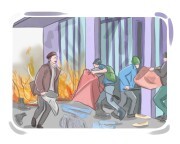
to pillage
to pillage
[動詞]

to plunder, typically during times of war or civil unrest

略奪する, 奪い取る

略奪する, 奪い取る

Ex: The invading army was condemned for its actions as it began to pillage villages, leaving destruction in its wake. 

侵略軍は、村を略奪し始め、その跡に破壊を残したことで、その行動を非難されました。

to lance
to lance
[動詞]

to thrust or strike with a long-pointed weapon

槍で突く, 突き刺す

槍で突く, 突き刺す

Ex: The knight skillfully lanced his opponent during the jousting competition. 

騎士は馬上槍試合の競技中に巧みに相手を槍で突いた。

to plunder
to plunder
[動詞]

to steal goods from a place or person, especially during times of war, chaos, or civil disorder

略奪する, 奪い取る

略奪する, 奪い取る

Ex: During the invasion, the army decided to plunder the enemy's resources. 

侵略中、軍隊は敵の資源を略奪することを決めた。

to strafe
to strafe
[動詞]

to attack ground targets, such as enemy troops or installations, with gunfire from low-flying aircraft

機銃掃射する, 爆撃する

機銃掃射する, 爆撃する

Ex: As the ground forces advanced, air support was called in to strafe the opposing troops, disrupting their formation. 

地上軍が前進するにつれ、航空支援が呼び出され、敵軍を機銃掃射してその隊列を乱した。

to outflank
to outflank
[動詞]

to maneuver around the side of an enemy force, position, or defensive line in order to gain a tactical advantage

側面を衝く, 迂回する

側面を衝く, 迂回する

Ex: The general devised a plan to outflank the enemy, sending a contingent of troops to attack from the rear. 

将軍は敵を包囲する作戦を立て、部隊を送って背後から攻撃させた。

to vanquish
to vanquish
[動詞]

to defeat someone completely and decisively

打ち負かす, 殲滅する

打ち負かす, 殲滅する

Ex: The mighty army sought to vanquish the opposing forces and secure dominance over the region. 

強大な軍隊は敵対勢力を打ち負かし、地域の支配を確保しようとした。

siege
siege
[名詞]

the act of surrounding the enemy, a town, etc. and cutting off their supplies so that they would surrender

包囲, 攻城

包囲, 攻城

Ex: The city endured a prolonged siege as enemy forces surrounded it, cutting off all supply routes. 

敵軍が都市を包囲し、すべての供給ルートを遮断したため、都市は長期の包囲に耐えました。

to retaliate
to retaliate
[動詞]

to make a counterattack or respond in a similar manner

報復する, 仕返しをする

報復する, 仕返しをする

Ex: When betrayed by a close friend, she resisted the urge to retaliate the injury. 

親しい友人に裏切られた時、彼女はその傷つけに対して仕返ししたい衝動に抵抗した。

LanGeek
LanGeekアプリをダウンロード