
Cambridge IELTS 17 - Academic - 3. Teszt - Hallás utáni értés - 4. rész
Tanulj szókincset a Cambridge IELTS 17 Academic, Test 3 Listening Part 4 anyagából, és ismételd át a gyakorlóteszt e szakaszának hasznos szavait és kifejezéseit.
Áttekintés
Villámkártyák
alakok
Betűzés
Kvíz

the act of subjecting someone to repeated and unwanted attacks, criticism, or other forms of harmful behavior

zaklatás, megfélemlítés
Az online zaklatás komoly problémává vált a közösségi média platformokon.
to attach a ring, often for the purpose of identification, such as to an animal, key, or object
gyűrűz, gyűrűvel megjelöl
to depend on someone or something for support and assistance
támaszkodik valamire, függ valamitől
Nem támaszkodhat a tömegközlekedésre, hogy időben munkába jusson, ezért vett egy autót.

to be able to say who or what someone or something is
azonosítani, felismerni

information or facts collected to be used for various purposes
adat, információ

a collection of maps, charts, and geographical information typically organized by region or topic
atlasz, térképtár
Az atlaszt használtuk új országok és fővárosaik felfedezésére.
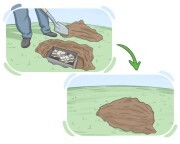
to cover or hide something from sight, often by placing it in the ground or covering it with another material
elás, elrejt
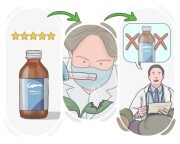
to show that something is false or incorrect
cáfol, megdönt
Az alibijét a biztonsági kamera felvételei cáfolták.

to make something widely known and accepted by the general public, often by adjusting it to fit popular preferences or trends
népszerűsít, terjeszt
A séf főzőműsora segített népszerűsíteni az egyedi alapanyagok használatát a házi konyhákban.
lacking the necessary ability or skill to perform a specific task or achieve a particular outcome
képtelen, inkompetens
Mint képtelen vezető, nem tudta megihletni a bizalmat a csapatában.
a group of organisms of the same species inhabiting a given area
populáció

(of fish, birds, or other animals) to move to different geographic areas according to seasons in order to breed, find food, or escape harsh environmental conditions
vándorol
A madarak minden télen délre vándorolnak a melegebb éghajlatot keresve.
a particular way in which something is done or happens
mód, módszer
in a manner related to or characteristic of a particular season
szezonálisan, szezonális módon
Néhány növény szezonálisan virágzik, élénk virágokat mutatva az év bizonyos időszakaiban.

to a specific degree, particularly when compared to other similar things
viszonylag, összehasonlítva
Viszonylag gyorsan felépült a műtét után.
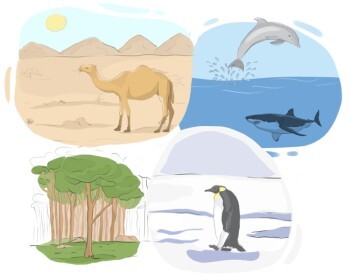
the natural environment in which a particular animal, plant, or other organism normally lives or grows
élőhely, természetes élőhely

to examine something closely and analyze it in order to understand its essential features or meaning
tanulmányoz, elemez
either of the two points at the northern and southern ends of Earth's axis of rotation
pólus
something that cannot be understood or explained because important facts are unknown
the absence or insufficiency of something, often implying a deficiency or shortage
hiány, hiányosság

providing enjoyment or laughter
szórakoztató, vicces
Társasjátékok játszása barátokkal mindig szórakoztató módja egy estének.
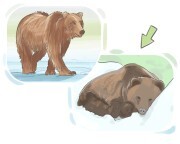
a dormant state in animals, characterized by lowered body temperature and metabolic activity, often during winter to conserve energy
téli álom, hibernáció
A téli álom alatt a földimókus testhőmérséklete jelentősen csökken, és anyagcseréje lelassul, hogy energiát takarítson meg.
(of some animals or plants) to spend the winter sleeping deeply
téli álmot alszik, téli álomban tölti a telet
Néhány hüllő üregekben téli álmot alszik, hogy túlélje a kemény téli körülményeket.
the event of coming into sight
megjelenés, érkezés
the act or instance of going missing, often without explanation or a trace left behind
eltűnés, eltűntetés
Hirtelen eltűnése aggodalommal töltötte el barátait és családját.
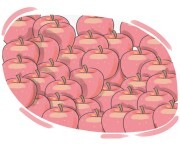
existing or available in large quantities
bőséges, bővelkedő
A piacon bőséges volt a friss zöldség kínálata.
to continue to exist, occur, or remain present over time
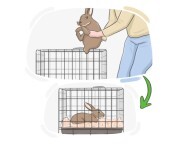
to confine someone or something in a cage or similarly restricted space
ketrecbe zár, kalitkába zár
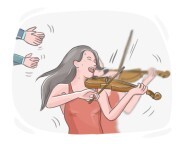
to show clearly that something is true or exists by providing proof or evidence
bemutat, bizonyít

a natural tendency or ability to behave or react in a particular way without conscious thought or learning
ösztön, hajlam
a scientist who studies the natural world, including plants, animals, and ecosystems
természettudós
Természettudósként a ritka növények azonosításában és katalogizálásában szakosodott az esőerdőkben.
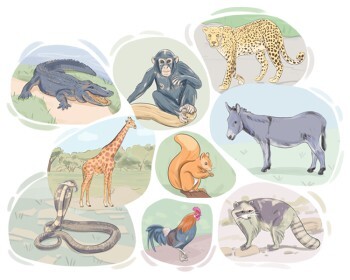
a group that animals, plants, etc. of the same type which are capable of producing healthy offspring with each other are divided into
faj, fajok
Az afrikai elefánt és az ázsiai elefánt két különböző fajta elefánt.
the act or process of changing something into a different form, nature, or substance
transzmutáció, átalakulás
an idea or belief that one thinks is true without having a proof
feltevés, feltételezés
the act of forming a personal understanding or mental image of something based on individual perception or analysis
értelmezés, megértés

strange or unexpected in appearance, style, or behavior
bizarr, furcsa
A férfi bizarr viselkedése, aki ragaszkodott ahhoz, hogy csirkekostümben menjen dolgozni, felhúzta a kollégái szemöldökét.
a scholarly article describing the results of observations or stating hypotheses
cikk, közlés

to say that something is the case without providing proof for it
állít, kijelent

a process or state in which something becomes more advanced, stronger, etc.
fejlesztés
to do something important that will be remembered for a long time
történelmet írni, bevonulni a történelembe
A csapat történelmet írt azzal, hogy megnyerte első bajnoki címét.
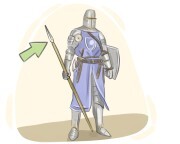
a weapon with a long handle and a metal pointed tip, used for fighting and fishing in the past
lándzsa, szigony
Az ókori Görögország harcosai lándzsákat és pajzsokat használtak a csatában.
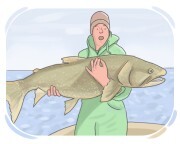
in a way that defies belief or seems impossible to be true
hihetetlenül, hihetetlen módon
Hihetetlenül jól játszott valaki számára, aki nem rendelkezik formális képzéssel.
having a distinctive or crucial role
meghatározó, döntő
A táj meghatározó jellemzője a távolban magasló hegyek voltak.
a branch of zoology concerning the scientific study of birds
ornitológia, madártan
Az ornitológia területén elért előrelépések jobb megőrzési stratégiákhoz vezettek a veszélyeztetett madárfajok és élőhelyeik számára.
involving or concerning the branch of science that deals with animals
zoológiai, a zoológiára vonatkozó
Mint zoológiai kutató, hónapokat töltött az afrikai vad elefántok vándorlási mintáinak tanulmányozásával.
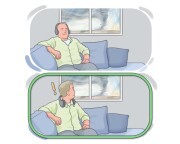
having an understanding or perception of something, often through careful thought or sensitivity
tudatában van, tájékoztatott
A cég e-mail értesítéseken keresztül tudatossá tette a dolgozókat az új irányelvekről.
to reach a level of acceptance and recognition due to permanent success
megalapoz, elismertté válik

the place to which someone or something is traveling or being sent
to form a theory or opinion about a subject without knowing all the facts
spekulál, elméleteket alkot
Tisztázatlan részletek nélkül csak találgathattak a hirtelen áramkimaradás okáról.
