
Cambridge IELTS 17 - Akademický - Test 3 - Poslech - Část 4
Zde najdete slovní zásobu z Testu 3 - Poslech - Část 4 v učebnici Cambridge IELTS 17 - Academic, která vám pomůže připravit se na vaši IELTS zkoušku.
Revize
Kartičky
tvary
Pravopis
Kvíz


the act of subjecting someone to repeated and unwanted attacks, criticism, or other forms of harmful behavior

obtěžování, pronásledování
Zákony byly posíleny, aby chránily oběti před obtěžováním.
to attach a ring, often for the purpose of identification, such as to an animal, key, or object
okroužkovat, označit kroužkem
Výzkumník okroužkoval myši malými značkami, aby je v experimentu odlišil.
to depend on someone or something for support and assistance
spoléhat se na, záviset na
Jako turista se musíte spoléhat na správné vybavení pro bezpečnost v divočině.

to be able to say who or what someone or something is
identifikovat, rozpoznat
Nemohla identifikovat osobu u dveří, dokud nepromluvili.

information or facts collected to be used for various purposes
data, informace
Sčítání lidu shromažďuje demografické údaje, aby porozumělo populačním trendům.

a collection of maps, charts, and geographical information typically organized by region or topic
atlas, sbírka map
Podrobný atlas také zahrnuje topografické informace pro turisty a objevitele.
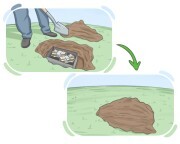
to cover or hide something from sight, often by placing it in the ground or covering it with another material
pohřbít, skrýt
Pohřbili časovou kapsli pro budoucí generace, aby ji objevily.
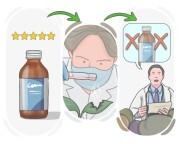
to show that something is false or incorrect
vyvrátit, dokázat nepravdivost
Advokát se pokusil vyvrátit svědectví svědka.

to make something widely known and accepted by the general public, often by adjusting it to fit popular preferences or trends
popularizovat, šířit
Organizace úspěšně popularizovala různé kulturní akce v komunitě.
lacking the necessary ability or skill to perform a specific task or achieve a particular outcome
neschopný, nekompetentní
Neschopný pracovník zápasil se základními úkoly a potřeboval neustálý dohled.

(of fish, birds, or other animals) to move to different geographic areas according to seasons in order to breed, find food, or escape harsh environmental conditions
migrovat
Afričtí sloni migrují při hledání vody a potravy.
a particular way in which something is done or happens
způsob, metoda
Tým oslavil své vítězství velkolepým způsobem, s ohňostrojem a hudbou.
in a manner related to or characteristic of a particular season
sezónně, sezónním způsobem
Některá zvířata hibernují sezónně, upadají do stavu klidu během chladnějších měsíců.
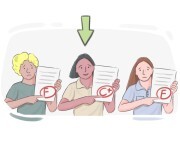
to a specific degree, particularly when compared to other similar things
relativně, srovnatelně
Jeho vysvětlení bylo relativně jasné, i když stále trochu matoucí.
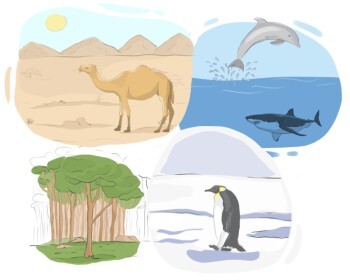
the place or area in which certain animals, birds, or plants naturally exist, lives, and grows
biotop, přirozené prostředí
Kaktusy jsou dobře přizpůsobeny suchému prostředí pouště.

to examine something closely and analyze it in order to understand its essential features or meaning
studovat, analyzovat
Lingvista studuje vývoj jazyka, aby vystopoval jeho původ a vývoj.
the most northern or most southern points of the earth that are joined by its axis of rotation
pól, severní pól/jižní pól
Magnetické póly nejsou přesně zarovnány s geografickými póly a mohou se posouvat v důsledku změn v zemském magnetickém poli.
something that is hard to explain or understand, often involving a puzzling event or situation with an unknown explanation
záhada, tajemství
Vědec se snaží vyřešit záhadu šíření nemoci.
the absence or insufficiency of something, often implying a deficiency or shortage
nedostatek, absence
Komunita čelila vážnému nedostatku zdravotnických zdrojů.

providing enjoyment or laughter
zábavný, legrační
Zábavné kousky klauna rozesmály děti nekontrolovatelně.
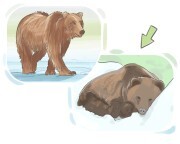
a dormant state in animals, characterized by lowered body temperature and metabolic activity, often during winter to conserve energy
hibernace, zimní spánek
Hibernace je životně důležitá adaptace pro některé hmyzy, jako jsou slunéčka, která jim umožňuje přežít v drsných povětrnostních podmínkách.
(of some animals or plants) to spend the winter sleeping deeply
hibernovat, přezimovat v hlubokém spánku
Zemní veverky hibernují ve svých norách, kde upadají do stavu hluboké strnulosti, aby přežily zimu.
the act or instance of going missing, often without explanation or a trace left behind
zmizení, vymizení
Kouzelník ohromil publikum zmizením králíka.
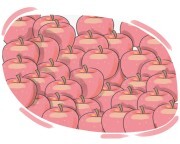
existing or available in large quantities
hojný, bohatý
Zahrada byla plná hojných květin všech barev.
to last beyond the typical or anticipated duration
trvat, pokračovat
Zápach kouře přetrvával ve vzduchu, i poté, co byl oheň uhašen.
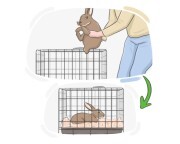
to confine something, typically an animal, within a restricted space
uzavřít, dát do klece
Záchranný tým pro zvířata pracoval na tom, aby umístil do klece trpícího toulavého kočku pro lékařskou péči.
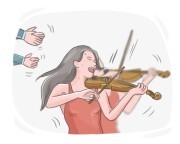
to show clearly that something is true or exists by providing proof or evidence
demonstrovat, dokázat
Prokázala své vůdčí schopnosti organizací úspěšné akce.
a natural reaction or behavior that occurs automatically, without conscious thought or reasoning
instinkt, pud
Instinkt plavce zadržet dech pod vodou mu pomohl vyhrát závod.
a scientist who studies the natural world, including plants, animals, and ecosystems
přírodovědec
Jako přírodovědec publikoval několik knih, v nichž dokumentoval biologickou rozmanitost korálových útesů po celém světě.
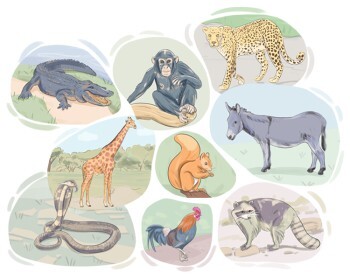
a group that animals, plants, etc. of the same type which are capable of producing healthy offspring with each other are divided into
druh, druhy
Monarcha stěhovavý je druh motýla, který každý rok migruje tisíce mil.
an act that changes the form or character or substance of something
transmutace, přeměna
an idea or belief that one thinks is true without having a proof
předpoklad, domněnka
Rozhodnutí bylo založeno na předpokladu, že financování bude schváleno.
the act of forming a personal understanding or mental image of something based on individual perception or analysis
interpretace, porozumění
Učitel povzbuzoval studenty, aby sdíleli své interpretace témat románu.

strange or unexpected in appearance, style, or behavior
bizarní, podivný
Jeho bizarní sbírka starožitných lékařských přístrojů, vystavená prominentně v obývacím pokoji, způsobovala hostům nepohodlí.
a scholarly article describing the results of observations or stating hypotheses
článek, publikace

to say that something is the case without providing proof for it
tvrdit, nárokovat
Právě teď marketingová kampaň aktivně tvrdí, že produkt je nejlepší na trhu.

a process or state in which something becomes more advanced, stronger, etc.
vývoj
Sledovali vývoj rostliny, aby pochopili její růstové vzorce.
to do something important that will be remembered for a long time
psát dějiny, vstoupit do dějin
Chce psát dějiny, ne jen získat další cenu.
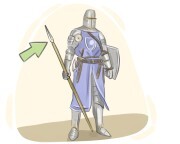
a weapon with a long handle and a metal pointed tip, used for fighting and fishing in the past
kopí, harpun
Během lovu spolupracovali členové kmene, aby obklíčili divokého kance a zaútočili na něj oštěpy.
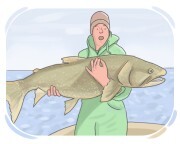
in a way that defies belief or seems impossible to be true
neuvěřitelně, neuvěřitelným způsobem
Celá struktura byla neuvěřitelně držena pohromadě magnety.
having a distinctive or crucial role
definující, rozhodující
Toto rozhodnutí bylo určující pro společnost a formovalo její budoucí směr.
a branch of zoology concerning the scientific study of birds
ornitologie, studium ptáků
Ornitologové často používají kroužkování ptáků jako metodu ke sledování migračních tras a shromažďování údajů o populacích a zdraví ptáků.
involving or concerning the branch of science that deals with animals
zoologický, týkající se zoologie
Zoologický tým objevil nový druh žáby během expedice v tropických deštných pralesech Jižní Ameriky.
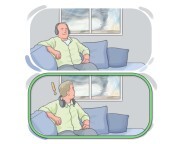
having an understanding or perception of something, often through careful thought or sensitivity
vědomý, informovaný
Stala se vědomou svého okolí, když procházela neznámou čtvrtí.
to reach a level of acceptance and recognition due to permanent success
založit, prosadit se
S konzistentně vynikajícími výkony se herec dokázal prosadit jako hollywoodská ikona.

the place where someone or something is headed
cíl
Vlak odjel z New Yorku, s Chicagem jako konečnou destinací.
to form a theory or opinion about a subject without knowing all the facts
spekulovat, formulovat teorie
Sousedé začali spekulovat o důvodech náhlého zvýšení bezpečnostních opatření.
