
Buku Street Talk 3 - Pandangan Lebih Dekat: Pelajaran 13
Explore additional vocabulary, expressions, meanings, and usage from Street Talk 3 Lesson 13 with a closer look at the language used in the lesson.
Tinjauan
Kartu flash
Ejaan
Kuis


used to imply that a true friend is someone who supports and helps one during difficult times, showing their loyalty and trustworthiness

Teman sejati tetap mendampingimu saat sulit
used to imply that having incomplete knowledge about something can lead to overestimating one's abilities or underestimating the complexity of the subject matter, which can be harmful
Pengetahuan yang tidak lengkap bisa berbahaya
used to imply that saving money is just as valuable as earning money, as both contribute to increasing one's overall wealth
Menabung sama berharganya dengan menghasilkan uang
used to suggest that constantly monitoring or worrying about something can make it seem like it is taking longer to happen
Menunggu dengan cemas membuat waktu terasa lebih lama
used to suggest that being separated from someone or something can increase one's affection and appreciation for them
Jarak dapat memperkuat kasih sayang
used to imply that in certain situations, such as relationships or conflicts, people may be willing to take any action to achieve their goals, even if it is not morally or ethically right
Dalam beberapa persaingan orang melakukan apa saja untuk menang
used to imply that as long as a situation or event has a successful or satisfactory conclusion, any difficulties or problems that occurred along the way are ultimately unimportant
Jika akhirnya baik, kesulitan di sepanjang jalan menjadi kurang penting
used to imply that true beauty goes beyond superficial appearances and should be judged based on deeper qualities such as kindness, compassion, intelligence, and integrity
Kecantikan sejati lebih dari sekadar penampilan
used to suggest that in a state of desperation, one must accept whatever is available, rather than being selective or demanding
Dalam keadaan terdesak, harus menerima apa yang tersedia
used to mean that it is better to take action or complete a task, even if it is delayed, rather than not doing it at all
Lebih baik terlambat daripada tidak sama sekali
used to suggest that it is preferable to take precautions and be cautious in order to avoid problems or regret later on
Lebih baik berhati-hati daripada menyesal
used to imply that people with similar interests or characteristics tend to associate with each other
Orang yang mirip cenderung berkumpul
used to suggest that family bonds are stronger and more significant than other relationships, indicating that familial ties should be prioritized over friendships or other associations
Ikatan keluarga biasanya lebih kuat daripada hubungan lain
used to refer to an attempt or a guess that was close to achieve success but failed to do so
used to emphasize that engaging in illegal or unethical behavior may provide temporary benefits or rewards, but the negative consequences will always outweigh the gains
Tindakan ilegal atau tidak etis pada akhirnya membawa lebih banyak kerugian
used to imply that while excessive curiosity can have negative consequences, the pursuit of knowledge or exploration can also be rewarding and fulfilling despite the risks
Rasa ingin tahu bisa berisiko tetapi juga bermanfaat
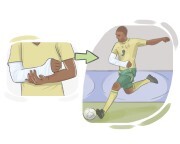
to be cautious and not assume that something will succeed or happen as planned, as there is always a possibility of unforeseen obstacles or problems
jangan keburu yakin, jangan senang dulu
Jangan keburu yakin hanya karena tes pertama berjalan baik.

to look for faults in a gift, favor, or opportunity that has been given to one, in a way that shows ingratitude
mencari-cari cacat pada pemberian, mengeluh soal pemberian
Aku tahu kamarnya kecil, tapi gratis—jangan mencari-cari cacat pada pemberian.
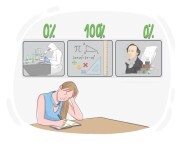
to only rely on one thing or person for achieving success without any alternatives in case it fails
bertaruh pada satu hal saja, mengandalkan satu pilihan saja
Bisnis itu mengandalkan satu pilihan saja dengan bergantung pada satu pemasok.
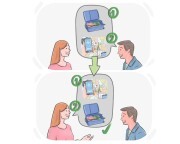
to not do things in order
melakukan sesuatu dengan urutan terbalik, memulai dari akhir
Memilih logo sebelum menentukan apa yang dilakukan perusahaan berarti urutannya terbalik.
used to imply that maintaining a consistent sleep schedule, with sufficient hours of sleep can have a positive impact on one's health, productivity, and overall well-being
Tidur dan bangun lebih awal bermanfaat
used to suggest that when something is obtained or achieved easily, it is often lost or wasted just as easily
Yang mudah didapat juga mudah hilang
used to imply that even in difficult or negative situations, there is often something positive or hopeful to be found
Dalam kesulitan pun bisa ada hal positif
used to imply that everyone will eventually experience a moment of good luck or success, regardless of their current situation or status
Setiap orang akhirnya mendapat kesempatan untuk berhasil
used to suggest that the more familiar one becomes with someone or something, the more likely one is to develop a negative attitude or lack of respect toward them
Terlalu akrab dapat mengurangi rasa hormat
used to suggest that if someone finds something that is not theirs, they are entitled to keep it, and that the original owner has no claim to it
Siapa yang menemukan sesuatu, menyimpannya
used to suggest that acting hastily or without proper consideration can lead to wasted resources or opportunities, which in turn can lead to a state of want or need
Tergesa-gesa menyebabkan pemborosan sumber daya
used to imply that the person who ultimately succeeds or triumphs in a situation will experience the greatest satisfaction, especially if they have faced obstacles or criticism from others
Orang yang akhirnya berhasil merasakan kepuasan terbesar
used to emphasize that it is always better to tell the truth, even if it may be difficult or inconvenient
Kejujuran adalah kebijakan terbaik
used to encourage individuals to continue trying even after experiencing failure or setbacks, with the belief that persistence and resilience are key to achieving success
Jika pertama kali tidak berhasil, coba lagi
used to imply that both parties involved in a situation or interaction are equally responsible for the outcome and must cooperate and contribute equally to achieve success
Kedua pihak bertanggung jawab atas hasilnya
used to promote tolerance and acceptance of different lifestyles, opinions, or beliefs
Terima perbedaan orang lain dan jangan ikut campur
used to imply that the love of money or excessive focus on wealth can lead to immoral or harmful actions
Kecintaan berlebihan pada uang dapat mendorong tindakan tidak bermoral
used to say that when faced with a difficult situation or problem, people are motivated to find new solutions or innovations to overcome it
Kebutuhan dan masalah mendorong orang mencari solusi baru
used to suggest that in the absence of any information, one can assume that everything is going well or according to plan
Tidak ada kabar biasanya berarti semuanya baik-baik saja
used to imply that one must dare to take risks in order to achieve something or to be successful
Untuk meraih keberhasilan, seseorang harus bersedia mengambil risiko

used for saying that someone may appear threatening or aggressive, but their actions or behavior are not as harmful or severe as their words
Cuma gertak sambal, Hanya menakut-nakuti
Setelah bertemu, aku sadar dia cuma gertak sambal.
used to imply that regular and persistent practice of a skill or activity is necessary in order to become proficient or skilled at it
Latihan teratur meningkatkan keterampilan
to follow the advice or beliefs that one advocates to others, and to set an example through one's own actions
used to imply that people are more likely to believe something if they can see it or experience it for themselves, rather than relying on hearsay or second-hand information
Melihat sendiri membuat sesuatu lebih mudah dipercaya
used to imply that the person who starts their day or task early will have an advantage over those who start later or procrastinate
Memulai lebih awal meningkatkan peluang keberhasilan

a greater number of things or people involved or present, will make a situation more enjoyable
makin ramai, semakin banyak, semakin asyik
Tambahkan beberapa permainan lagi ke pesta; makin banyak, makin seru.

used to comfort someone after a breakup, meaning there are many other potential romantic partners available
masih banyak yang lain, nanti ada yang lain
used to suggest that there are multiple paths to success, and that it is important to be open-minded and flexible in one's approach to problem-solving or achieving goals
Ada lebih dari satu cara untuk mencapai tujuan
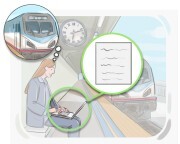
to achieve two goals at the same time only by taking one action
sekali dayung dua tiga pulau terlampaui, mendapat dua hasil sekaligus
Dengan mengunjungi orang tuanya saat perjalanan bisnis, ia sekali dayung dua tiga pulau terlampaui.
used to imply that it is important to seek out and embrace new experiences, activities, and pleasures in life to keep things interesting and enjoyable
Variasi membuat hidup lebih menarik

to not worry about something beforehand and deal with it whenever it happens
memikirkannya saat waktunya tiba, urus nanti kalau sudah terjadi
Mungkin dia menolak tawaran itu, tapi nanti kita urus kalau sudah terjadi.
used to suggest that people will often take advantage of the absence of authority or supervision to do things that they wouldn't do if they were being watched
Saat tidak ada pengawasan, orang mungkin memanfaatkan keadaan
used to emphasize that if a person is determined enough to do something, they will find a way to do it, regardless of the obstacles or challenges
Dengan tekad yang cukup, jalan menuju tujuan dapat ditemukan
to form an opinion or make a judgment about something or someone based solely on its outward appearance or initial impression
menilai dari penampilan, tertipu kesan luar
Jangan menilai dari penampilan; dia terlihat pendiam, tetapi sangat cerdas.
used to imply that older people are less adaptable to change and new ideas than younger people, as it is difficult or impossible to change someone's old behaviors or habits
Kebiasaan lama sulit diubah
