
Cartea Street Talk 3 - O Privire Mai Aproape: Lecția 13
Explorați vocabular, expresii, sensuri și utilizări suplimentare din Lecția 13 Street Talk 3, cu o privire mai atentă asupra limbajului folosit în lecție.
Revizuire
Fișe de studiu
Ortografie
Chestionar


used to imply that a true friend is someone who supports and helps one during difficult times, showing their loyalty and trustworthiness

Un prieten adevărat îți este alături la greu
used to imply that having incomplete knowledge about something can lead to overestimating one's abilities or underestimating the complexity of the subject matter, which can be harmful
Cunoașterea incompletă poate fi periculoasă
used to imply that saving money is just as valuable as earning money, as both contribute to increasing one's overall wealth
Economisirea banilor este la fel de valoroasă ca și câștigarea lor
used to suggest that constantly monitoring or worrying about something can make it seem like it is taking longer to happen
Așteptarea cu neliniște face timpul să pară mai lung
used to suggest that being separated from someone or something can increase one's affection and appreciation for them
Distanța poate întări afecțiunea
used to imply that in certain situations, such as relationships or conflicts, people may be willing to take any action to achieve their goals, even if it is not morally or ethically right
În unele rivalități oamenii fac orice pentru a câștiga
used to imply that as long as a situation or event has a successful or satisfactory conclusion, any difficulties or problems that occurred along the way are ultimately unimportant
Dacă finalul este bun, greutățile de pe drum contează mai puțin
used to imply that true beauty goes beyond superficial appearances and should be judged based on deeper qualities such as kindness, compassion, intelligence, and integrity
Adevărata frumusețe depășește aspectul exterior
used to suggest that in a state of desperation, one must accept whatever is available, rather than being selective or demanding
Într-o situație disperată trebuie să accepți ceea ce este disponibil
used to mean that it is better to take action or complete a task, even if it is delayed, rather than not doing it at all
Mai bine mai târziu decât niciodată
used to suggest that it is preferable to take precautions and be cautious in order to avoid problems or regret later on
Mai bine precaut decât să regreți
used to imply that people with similar interests or characteristics tend to associate with each other
Oamenii asemănători tind să stea împreună
used to suggest that family bonds are stronger and more significant than other relationships, indicating that familial ties should be prioritized over friendships or other associations
Legăturile de familie sunt de obicei mai puternice decât alte relații
used to refer to an attempt or a guess that was close to achieve success but failed to do so
used to emphasize that engaging in illegal or unethical behavior may provide temporary benefits or rewards, but the negative consequences will always outweigh the gains
Comportamentul ilegal sau lipsit de etică aduce în cele din urmă mai mult rău
used to imply that while excessive curiosity can have negative consequences, the pursuit of knowledge or exploration can also be rewarding and fulfilling despite the risks
Curiozitatea poate fi riscantă, dar și răsplătitoare
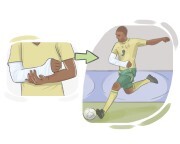
to be cautious and not assume that something will succeed or happen as planned, as there is always a possibility of unforeseen obstacles or problems
să nu te bucuri prea devreme, să nu zici hop până nu sari
Suntem aproape de un acord, dar să nu ne bucurăm prea devreme.

to look for faults in a gift, favor, or opportunity that has been given to one, in a way that shows ingratitude
a căuta calul de dar la dinți, a strâmba din nas la un dar
E un laptop gratis, așa că nu căuta calul de dar la dinți.
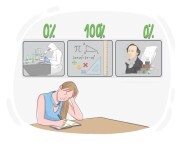
to only rely on one thing or person for achieving success without any alternatives in case it fails
a depinde de o singură soluție, a miza totul pe o singură variantă
Nu miza totul pe o singură variantă; aplică la mai multe universități.

to not do things in order
a face lucrurile în ordine greșită, a începe cu sfârșitul
Să cumperi mobilă înainte să ai apartament înseamnă să faci lucrurile în ordine greșită.
used to imply that maintaining a consistent sleep schedule, with sufficient hours of sleep can have a positive impact on one's health, productivity, and overall well-being
Culcatul și trezitul devreme sunt benefice
used to suggest that when something is obtained or achieved easily, it is often lost or wasted just as easily
Ce vine ușor pleacă ușor
used to imply that even in difficult or negative situations, there is often something positive or hopeful to be found
Chiar și într-o situație grea poate exista ceva bun
used to imply that everyone will eventually experience a moment of good luck or success, regardless of their current situation or status
Fiecare ajunge să aibă o șansă la succes
used to suggest that the more familiar one becomes with someone or something, the more likely one is to develop a negative attitude or lack of respect toward them
Prea multă familiaritate poate reduce respectul
used to suggest that if someone finds something that is not theirs, they are entitled to keep it, and that the original owner has no claim to it
Cine găsește ceva îl păstrează
used to suggest that acting hastily or without proper consideration can lead to wasted resources or opportunities, which in turn can lead to a state of want or need
Graba duce la risipa resurselor
used to imply that the person who ultimately succeeds or triumphs in a situation will experience the greatest satisfaction, especially if they have faced obstacles or criticism from others
Cel care reușește în cele din urmă simte cea mai mare satisfacție
used to emphasize that it is always better to tell the truth, even if it may be difficult or inconvenient
Onestitatea este cea mai bună politică
used to encourage individuals to continue trying even after experiencing failure or setbacks, with the belief that persistence and resilience are key to achieving success
Dacă nu reușești din prima, încearcă din nou
used to imply that both parties involved in a situation or interaction are equally responsible for the outcome and must cooperate and contribute equally to achieve success
Ambele părți sunt responsabile pentru rezultat
used to promote tolerance and acceptance of different lifestyles, opinions, or beliefs
Acceptă diferențele altora și nu te amesteca
used to imply that the love of money or excessive focus on wealth can lead to immoral or harmful actions
Atașamentul excesiv față de bani poate duce la fapte imorale
used to say that when faced with a difficult situation or problem, people are motivated to find new solutions or innovations to overcome it
Nevoia și problemele îi împing pe oameni să găsească soluții noi
used to suggest that in the absence of any information, one can assume that everything is going well or according to plan
Lipsa veștilor înseamnă de obicei că totul merge bine
used to imply that one must dare to take risks in order to achieve something or to be successful
Pentru a avea succes, trebuie să fii dispus să-ți asumi riscuri

used for saying that someone may appear threatening or aggressive, but their actions or behavior are not as harmful or severe as their words
Vorbe multe, Doar sperie lumea
Nu-ți face griji; vorbe multe, fapte puține.
used to imply that regular and persistent practice of a skill or activity is necessary in order to become proficient or skilled at it
Practica regulată îmbunătățește abilitatea
to follow the advice or beliefs that one advocates to others, and to set an example through one's own actions
used to imply that people are more likely to believe something if they can see it or experience it for themselves, rather than relying on hearsay or second-hand information
Este mai ușor să crezi ceva când îl vezi
used to imply that the person who starts their day or task early will have an advantage over those who start later or procrastinate
A începe devreme crește șansele de succes

a greater number of things or people involved or present, will make a situation more enjoyable
cu cât mai mulți, mai mulți, mai multă distracție
Adu-i și pe verișorii tăi; cu cât mai mulți, cu atât mai bine.

used to comfort someone after a breakup, meaning there are many other potential romantic partners available
mai sunt și alții, o să găsești pe altcineva
used to suggest that there are multiple paths to success, and that it is important to be open-minded and flexible in one's approach to problem-solving or achieving goals
Există mai multe căi de a atinge un scop

to achieve two goals at the same time only by taking one action
a împușca doi iepuri dintr-un foc, a rezolva două lucruri dintr-o dată
Am împușcat doi iepuri dintr-un foc: am mers pe jos la serviciu și am făcut mișcare.
used to imply that it is important to seek out and embrace new experiences, activities, and pleasures in life to keep things interesting and enjoyable
Varietatea face viața mai interesantă

to not worry about something beforehand and deal with it whenever it happens
a vedea atunci când va fi cazul, să nu ne facem griji dinainte
Dacă clientul cere modificări, vedem atunci când va fi cazul.
used to suggest that people will often take advantage of the absence of authority or supervision to do things that they wouldn't do if they were being watched
Când lipsește supravegherea, oamenii pot profita de situație
used to emphasize that if a person is determined enough to do something, they will find a way to do it, regardless of the obstacles or challenges
Cu suficientă voință poți găsi o cale spre scop
to form an opinion or make a judgment about something or someone based solely on its outward appearance or initial impression
a judeca după aparențe, a se lua după prima impresie
Restaurantul părea modest, dar mâncarea era extraordinară, așa că nu poți judeca după aparențe.
used to imply that older people are less adaptable to change and new ideas than younger people, as it is difficult or impossible to change someone's old behaviors or habits
Obiceiurile vechi sunt greu de schimbat
