
Ang Aklat na Street Talk 3 - Isang Mas Malapit na Tingin: Aralin 13
Galugarin ang karagdagang bokabularyo, mga expression, kahulugan, at paggamit mula sa Street Talk 3 Lesson 13 sa mas malapit na pagtingin sa wikang ginamit sa aralin.
Repasuhin
Flashcards
Pagbaybay
Pagsusulit


used to imply that a true friend is someone who supports and helps one during difficult times, showing their loyalty and trustworthiness

Ang tunay na kaibigan ay kasama mo sa hirap
used to imply that having incomplete knowledge about something can lead to overestimating one's abilities or underestimating the complexity of the subject matter, which can be harmful
Maaaring mapanganib ang kulang na kaalaman
used to imply that saving money is just as valuable as earning money, as both contribute to increasing one's overall wealth
Ang pag-iimpok ng pera ay kasinghalaga ng pagkita nito
used to suggest that constantly monitoring or worrying about something can make it seem like it is taking longer to happen
Mas matagal ang pakiramdam ng paghihintay kapag nag-aalala
used to suggest that being separated from someone or something can increase one's affection and appreciation for them
Maaaring palalimin ng pagkakalayo ang pagmamahal
used to imply that in certain situations, such as relationships or conflicts, people may be willing to take any action to achieve their goals, even if it is not morally or ethically right
Sa ilang tunggalian, ginagawa ng tao ang lahat para manalo
used to imply that as long as a situation or event has a successful or satisfactory conclusion, any difficulties or problems that occurred along the way are ultimately unimportant
Kapag maganda ang wakas, hindi na gaanong mahalaga ang mga hirap sa daan
used to imply that true beauty goes beyond superficial appearances and should be judged based on deeper qualities such as kindness, compassion, intelligence, and integrity
Ang tunay na ganda ay higit sa panlabas na anyo
used to suggest that in a state of desperation, one must accept whatever is available, rather than being selective or demanding
Kapag gipit, kailangang tanggapin kung ano ang available
used to mean that it is better to take action or complete a task, even if it is delayed, rather than not doing it at all
Mas mabuti nang huli kaysa hindi kailanman
used to suggest that it is preferable to take precautions and be cautious in order to avoid problems or regret later on
Mas mabuting mag-ingat kaysa magsisi
used to imply that people with similar interests or characteristics tend to associate with each other
Madalas nagsasama ang mga taong magkatulad
used to suggest that family bonds are stronger and more significant than other relationships, indicating that familial ties should be prioritized over friendships or other associations
Karaniwang mas matibay ang ugnayan ng pamilya kaysa ibang relasyon
used to refer to an attempt or a guess that was close to achieve success but failed to do so
used to emphasize that engaging in illegal or unethical behavior may provide temporary benefits or rewards, but the negative consequences will always outweigh the gains
Ang ilegal o hindi etikal na gawain ay sa huli nagdudulot ng mas malaking pinsala
used to imply that while excessive curiosity can have negative consequences, the pursuit of knowledge or exploration can also be rewarding and fulfilling despite the risks
Maaaring mapanganib ang pagkamausisa ngunit kapaki-pakinabang din
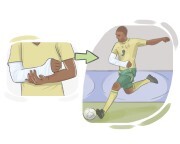
to be cautious and not assume that something will succeed or happen as planned, as there is always a possibility of unforeseen obstacles or problems
huwag munang umasa, huwag magdiwang agad
Malapit na ang kasunduan, pero huwag muna tayong umasa.

to look for faults in a gift, favor, or opportunity that has been given to one, in a way that shows ingratitude
hanapan ng mali ang regalo, magreklamo pa sa bigay
Libre ang laptop, kaya huwag mo nang hanapan ng mali ang regalo.
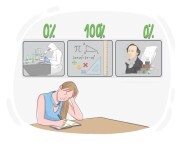
to only rely on one thing or person for achieving success without any alternatives in case it fails
isugal ang lahat sa iisang bagay, umasa lang sa iisang pagpipilian
Huwag kang umasa lang sa iisang pagpipilian; mag-apply sa ilang unibersidad.

to not do things in order
unahin ang dapat ihuli, gawin sa maling ayos
Ang pagbili ng muwebles bago ka magkaroon ng apartment ay pag-una sa dapat ihuli.
used to imply that maintaining a consistent sleep schedule, with sufficient hours of sleep can have a positive impact on one's health, productivity, and overall well-being
Mabuti ang maagang pagtulog at paggising
used to suggest that when something is obtained or achieved easily, it is often lost or wasted just as easily
Ang madaling makuha ay madali ring mawala
used to imply that even in difficult or negative situations, there is often something positive or hopeful to be found
Maaaring may mabuting bagay kahit sa mahirap na sitwasyon
used to imply that everyone will eventually experience a moment of good luck or success, regardless of their current situation or status
Lahat ay magkakaroon din ng pagkakataong magtagumpay
used to suggest that the more familiar one becomes with someone or something, the more likely one is to develop a negative attitude or lack of respect toward them
Ang sobrang pagiging pamilyar ay maaaring magpababa ng paggalang
used to suggest that if someone finds something that is not theirs, they are entitled to keep it, and that the original owner has no claim to it
Ang nakahanap ay nag-iingat ng nahanap niya
used to suggest that acting hastily or without proper consideration can lead to wasted resources or opportunities, which in turn can lead to a state of want or need
Ang pagmamadali ay nagdudulot ng pag-aaksaya
used to imply that the person who ultimately succeeds or triumphs in a situation will experience the greatest satisfaction, especially if they have faced obstacles or criticism from others
Ang magtagumpay sa huli ang nakakaramdam ng pinakamalaking kasiyahan
used to emphasize that it is always better to tell the truth, even if it may be difficult or inconvenient
Ang katapatan ang pinakamahusay na patakaran
used to encourage individuals to continue trying even after experiencing failure or setbacks, with the belief that persistence and resilience are key to achieving success
Kung hindi ka magtagumpay sa una, subukan muli
used to imply that both parties involved in a situation or interaction are equally responsible for the outcome and must cooperate and contribute equally to achieve success
Parehong panig ang may pananagutan sa resulta
used to promote tolerance and acceptance of different lifestyles, opinions, or beliefs
Tanggapin ang pagkakaiba ng iba at huwag makialam
used to imply that the love of money or excessive focus on wealth can lead to immoral or harmful actions
Ang labis na paghahangad sa pera ay maaaring humantong sa imoral na gawain
used to say that when faced with a difficult situation or problem, people are motivated to find new solutions or innovations to overcome it
Ang pangangailangan at problema ay nagtutulak sa tao na humanap ng bagong solusyon
used to suggest that in the absence of any information, one can assume that everything is going well or according to plan
Ang kawalan ng balita ay karaniwang ibig sabihing maayos ang lahat
used to imply that one must dare to take risks in order to achieve something or to be successful
Upang magtagumpay, kailangang handang sumugal

used for saying that someone may appear threatening or aggressive, but their actions or behavior are not as harmful or severe as their words
Puro salita lang, Naninigaw lang
Huwag kang mag-alala; puro salita lang siya.
used to imply that regular and persistent practice of a skill or activity is necessary in order to become proficient or skilled at it
Ang regular na pagsasanay ay nagpapahusay ng kasanayan
to follow the advice or beliefs that one advocates to others, and to set an example through one's own actions
used to imply that people are more likely to believe something if they can see it or experience it for themselves, rather than relying on hearsay or second-hand information
Mas madaling maniwala kapag nakita mismo
used to imply that the person who starts their day or task early will have an advantage over those who start later or procrastinate
Ang maagang pagsisimula ay nagpapataas ng tsansang magtagumpay

a greater number of things or people involved or present, will make a situation more enjoyable
mas marami, mas marami, mas masaya ang samahan
Isama mo na rin ang mga pinsan mo; mas marami, mas masaya.

used to comfort someone after a breakup, meaning there are many other potential romantic partners available
marami pa diyan, may iba pa
used to suggest that there are multiple paths to success, and that it is important to be open-minded and flexible in one's approach to problem-solving or achieving goals
Maraming paraan upang maabot ang isang layunin

to achieve two goals at the same time only by taking one action
tamaan ang dalawang ibon sa isang bato, makamit ang dalawang bagay sa isang gawa
Tumama ako ng dalawang ibon sa isang bato: naglakad ako papasok sa trabaho at nakapag-ehersisyo pa.
used to imply that it is important to seek out and embrace new experiences, activities, and pleasures in life to keep things interesting and enjoyable
Ginagawang mas kawili-wili ng pagkakaiba-iba ang buhay

to not worry about something beforehand and deal with it whenever it happens
harapin na lang kapag dumating, problemahin na lang pag nandiyan na
Kung humingi ng pagbabago ang kliyente, haharapin na lang natin kapag nandiyan na.
used to suggest that people will often take advantage of the absence of authority or supervision to do things that they wouldn't do if they were being watched
Kapag walang nagbabantay, maaaring samantalahin ng mga tao ang sitwasyon
used to emphasize that if a person is determined enough to do something, they will find a way to do it, regardless of the obstacles or challenges
Sa sapat na determinasyon, makakahanap ng paraan upang maabot ang layunin
to form an opinion or make a judgment about something or someone based solely on its outward appearance or initial impression
husgahan sa itsura, magpadala sa unang tingin
Mukhang simple ang restaurant, pero ang sarap ng pagkain, kaya hindi talaga dapat husgahan sa itsura.
used to imply that older people are less adaptable to change and new ideas than younger people, as it is difficult or impossible to change someone's old behaviors or habits
Mahirap baguhin ang matagal nang gawi
| Ang Aklat na Street Talk 3 | |||
|---|---|---|---|
| Aralin 1 | Aralin 2 | Aralin 3 | Aralin 4 |
| Aralin 5 | Aralin 6 | Aralin 7 | Aralin 8 |
| Aralin 9 | Aralin 10 | Aralin 11 | Isang Mas Malapit na Pagtingin: Aralin 11 |
| Aralin 12 | Isang Mas Malapit na Pagtingin: Aralin 12 | Aralin 13 | Isang Mas Malapit na Tingin: Aralin 13 |
| Aralin 14 | Isang Mas Malapit na Pagtingin: Aralin 14 | Aralin 15 | |
