
Il libro Headway - Pre-intermedio - inglese giornaliero (Unità 8)

Qui troverai il vocabolario dell'Unità 8 di Inglese Quotidiano nel libro di corso Headway Pre-Intermediate, come "allergia", "gonfio", "diarrea", ecc.

review-disable

Revisione

flashcard-disable

Flashcard

spelling-disable

Ortografia

quiz-disable

Quiz

Inizia a imparare
Il libro Headway - Pre-intermedio
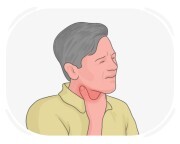
sore throat [sostantivo]

اجرا کردن

mal di gola

Ex: A sore throat is often the first sign of a cold .

Un mal di gola è spesso il primo segno di un raffreddore.
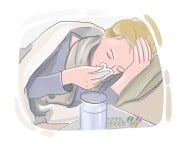
cold [sostantivo]
اجرا کردن

freddo

Ex: During winter , many people catch a cold .

Durante l'inverno, molte persone prendono un raffreddore.

diarrhea [sostantivo]
اجرا کردن

diarrea

Ex: Diarrhea is characterized by loose, watery stools occurring frequently throughout the day.

La diarrea è caratterizzata da feci molli e acquose che si verificano frequentemente durante il giorno.

flu [sostantivo]
اجرا کردن

influenzano

Ex: After catching the flu , he realized the importance of getting vaccinated .

Dopo aver preso l'influenza, ha capito l'importanza di vaccinarsi.

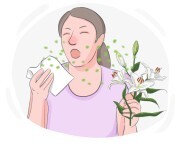
allergy [sostantivo]
اجرا کردن

allergia

Ex: Her peanut allergy is so severe that even a small amount can trigger a serious reaction .

La sua allergia alle arachidi è così grave che anche una piccola quantità può scatenare una reazione seria.

sprain [sostantivo]
اجرا کردن

slogata

Ex: She suffered a sprain when she landed awkwardly while playing basketball .

Ha subito una distorsione quando è atterrata goffamente giocando a basket.

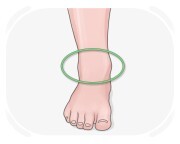
ankle [sostantivo]
اجرا کردن

caviglia

Ex: She twisted her ankle while jogging in the park .

Si è slogata la caviglia mentre faceva jogging nel parco.

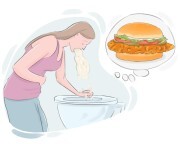
food poisoning [sostantivo]
اجرا کردن

intossicazione alimentare

Ex: Food poisoning can occur after consuming contaminated or undercooked food , leading to symptoms like nausea and diarrhea .

L'intossicazione alimentare può verificarsi dopo aver consumato cibi contaminati o poco cotti, portando a sintomi come nausea e diarrea.

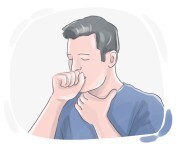
to cough [Verbo]
اجرا کردن

tossire

Ex: Do n't cough into your hand ; it 's better to use a tissue .

Non tossire nella mano; è meglio usare un fazzoletto.

to blow [Verbo]
اجرا کردن

soffiare

Ex:

Il trombettista fece un respiro profondo e soffiò, producendo un suono melodioso.

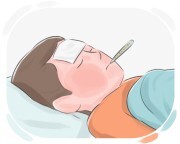
fever [sostantivo]
اجرا کردن

febbre

Ex: A fever is one of the common symptoms of the flu .

Febbre è uno dei sintomi comuni dell'influenza.

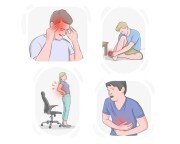
to ache [Verbo]
اجرا کردن

avere dolore

Ex: After a long day of work, her back began to ache from sitting at the desk.

Dopo una lunga giornata di lavoro, la sua schiena ha iniziato a dolere per essere stata seduta alla scrivania.

to hurt [Verbo]
اجرا کردن

ferire

Ex: After the bee sting , the spot hurt for a few hours .

Dopo la puntura d'ape, il punto ha dolorato per alcune ore.

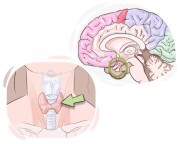
gland [sostantivo]
اجرا کردن

ghiandola

Ex: The endocrine system includes glands such as the thyroid and adrenal glands , which regulate hormones in the body .

Il sistema endocrino include ghiandole come la tiroide e le ghiandole surrenali, che regolano gli ormoni nel corpo.

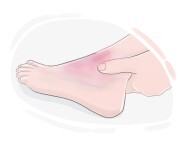
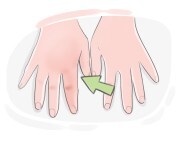
swollen [aggettivo]
اجرا کردن

gonfio

Ex: After twisting her ankle , Sarah 's foot became swollen and painful .

Dopo essersi slogata la caviglia, il piede di Sarah è diventato gonfio e dolorante.

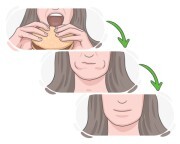
to swallow [Verbo]
اجرا کردن

inghiottire

Ex: It 's important to chew your food well before you swallow .

È importante masticare bene il cibo prima di ingerirlo.

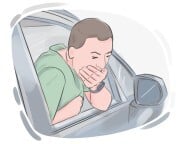
sick [aggettivo]
اجرا کردن

vertigine

Ex: She felt sick after eating too much candy .

Si è sentita male dopo aver mangiato troppe caramelle.

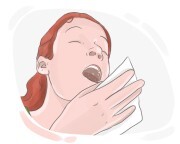
to sneeze [Verbo]
اجرا کردن

starnutire

Ex: Do n't forget to cover your mouth when you sneeze .

Non dimenticare di coprirti la bocca quando starnutisci.