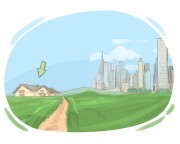
pattern

Il libro Insight - Intermedio Superiore - Unità 2 - 2A

Qui troverai il vocabolario dell'Unità 2 - 2A del libro di corso Insight Upper-Intermediate, come "sussistenza", "mettere in pericolo", "inevitabilmente", ecc.

Revisione

Flashcard

Ortografia

Quiz
Inizia a imparare
Insight - Upper-intermediate
remote
remote
[aggettivo]

far away in distance or position

remoto
remoto

Ex: Emma traveled to a remote part of the continent. 
Chiudi
Accedi
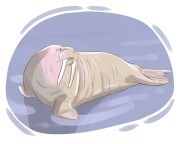
walrus
walrus
[sostantivo]

a large marine mammal like a seal with two large tusks that lives in Arctic regions

morse

morse

Ex: The thick blubber of a walrus helps it survive in cold waters. 
Chiudi
Accedi
subsistence
subsistence
[sostantivo]

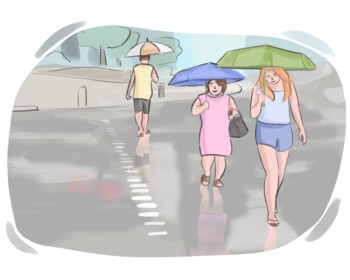
a situation in which one has just enough money or food to survive

sussistenza

sussistenza

Ex: The family struggled to maintain subsistence on their small farm. 

La famiglia ha lottato per mantenere la sussistenza nella loro piccola fattoria.
Chiudi
Accedi
stifling
stifling
[aggettivo]

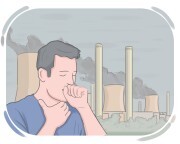
(of weather) uncomfortably hot and lacking air circulation

soffocante, asfissiante

soffocante, asfissiante

Ex: Fans could not relieve the stifling humidity. 

I ventilatori non riuscivano a mitigare l'umidità soffocante.

Chiudi
Accedi
profound
profound
[aggettivo]

showing great knowledge, insight, or understanding

profondo
profondo

Ex: The book reveals a profound knowledge of medieval history. 
Chiudi
Accedi
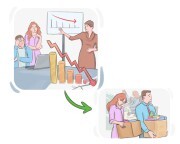
to endanger

to expose someone or something to potential harm or risk

mettere in pericolo

mettere in pericolo

Ex: Using outdated equipment can endanger the efficiency and safety of the operation. 

Utilizzare attrezzature obsolete può mettere a rischio l'efficienza e la sicurezza dell'operazione.

Chiudi
Accedi
harsh
harsh
[aggettivo]

cruel, unkind, or more severe toward someone than seems reasonable

duro
duro

Ex: Emma regretted the harsh words she had used during the argument. 
Chiudi
Accedi
inevitably
inevitably
[avverbio]

in a way that cannot be stopped or avoided, and certainly happens

inevitabilmente

inevitabilmente

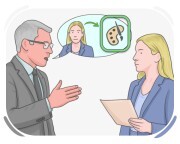
Ex: As the population grows, urban areas inevitably expand to accommodate the increasing demand for housing. 

Con la crescita della popolazione, le aree urbane inevitabilmente si espandono per soddisfare la crescente domanda di alloggi.
Chiudi
Accedi
responsibility
responsibility
[sostantivo]

the obligation to perform a particular duty or task that is assigned to one

responsabilità

responsabilità

Ex: Parents have the responsibility of providing a safe and nurturing environment for their children. 
Chiudi
Accedi
benefit
benefit
[sostantivo]

an advantage or a helpful effect that is the result of a situation

vantaggio

vantaggio

Ex: The study highlighted the environmental benefits of using renewable energy sources. 
Chiudi
Accedi
handful
handful
[sostantivo]

the amount of something that can be held in one hand

manciata,  pugno

manciata, pugno

Ex: Laura scattered a handful of seeds across the soil. 
Chiudi
Accedi
to demand
to demand
[Verbo]

to ask something from someone in an urgent and forceful manner

richiedere

richiedere

Ex: The union members are planning to demand changes in the company's policies during the upcoming meeting with management. 
Chiudi
Accedi
relevance
relevance
[sostantivo]

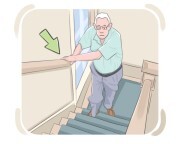
the quality of being related or useful to the current situation or topic

rilevanza
rilevanza

Ex: The article's relevance made it a key source for the study. 
Chiudi
Accedi
to grasp
to grasp
[Verbo]

to take and hold someone or something firmly

afferrare, agguantare

afferrare, agguantare

Ex: He reached out and grasped the rope. 
Chiudi
Accedi
to respect
to respect
[Verbo]

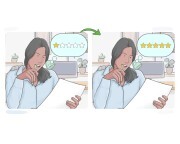
to admire someone because of their achievements, qualities, etc.

rispettare
rispettare

Ex: He respects his coach for his leadership and guidance on and off the field. 
Chiudi
Accedi
knowledge
knowledge
[sostantivo]

an understanding of or information about a subject after studying and experiencing it

coniscenza
coniscenza

Ex: Access to the internet allows us to acquire knowledge on a wide range of topics with just a few clicks. 
Chiudi
Accedi
sense
sense
[sostantivo]

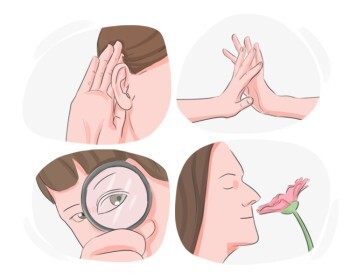
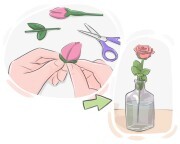
any of the five natural abilities of sight, hearing, smell, touch, and taste

senso
senso

Ex: Taste is the sense that allows us to experience flavors and enjoy food. 
Chiudi
Accedi
natural
natural
[aggettivo]

originating from or created by nature, not made or caused by humans

naturale

naturale

Ex: He preferred using natural fabrics like cotton and linen for his clothing. 

Preferiva usare tessuti naturali come cotone e lino per i suoi vestiti.

Chiudi
Accedi
outer space
outer space
[sostantivo]

the space outside the earth's atmosphere

spazio esterno

spazio esterno

Ex: Outer space is characterized by the absence of air, so astronauts must wear spacesuits to survive the vacuum and extreme conditions. 

Lo spazio esterno è caratterizzato dall'assenza di aria, quindi gli astronauti devono indossare tute spaziali per sopravvivere al vuoto e alle condizioni estreme.

Chiudi
Accedi
bay
bay
[sostantivo]

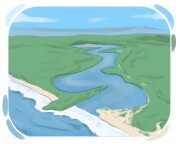
a part of a shoreline that curves inward, larger than a cove but smaller than a gulf

baia
baia

Ex: Tourists enjoy kayaking and sailing in the calm waters of the bay. 
Chiudi
Accedi
estuary
estuary
[sostantivo]

the part of a river that is wide and where it meets the sea

estuario

estuario

Ex: Environmentalists work to protect estuaries from pollution and habitat destruction. 

Gli ambientalisti lavorano per proteggere gli estuari dall'inquinamento e dalla distruzione dell'habitat.
Chiudi
Accedi
glacier
glacier
[sostantivo]

a large mass of ice that forms over long periods of time, especially in polar regions or high mountains

ghiacciaio

ghiacciaio

Ex: The farm uses renewable energy to power its operations. 

L'azienda agricola utilizza energia rinnovabile per alimentare le sue operazioni.
Chiudi
Accedi
grassland
grassland
[sostantivo]

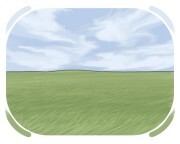
a large, open, and grass-covered area

prateria

prateria

Ex: The grassland is home to antelopes and zebras. 

La prateria è la casa di antilopi e zebre.

Chiudi
Accedi
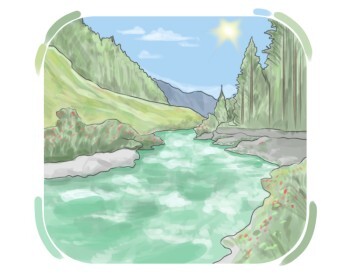
ice floe
ice floe
[sostantivo]

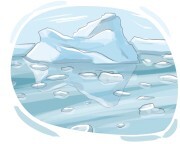
a large piece of floating ice that has broken off from an ice sheet and is floating on the water

lastrone di ghiaccio, piattaforma di ghiaccio galleggiante

lastrone di ghiaccio, piattaforma di ghiaccio galleggiante

Ex: In winter, the river's surface is often covered in small floes, creating a picturesque scene. 

In inverno, la superficie del fiume è spesso coperta da piccoli lastroni di ghiaccio, creando una scena pittoresca.
Chiudi
Accedi
stream
stream
[sostantivo]

a small and narrow river that runs on or under the earth

torrente
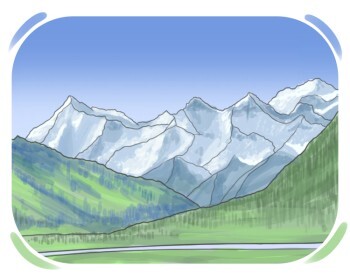
torrente

Ex: A small stream flows behind their house. 
Chiudi
Accedi
mountain range
mountain range
[sostantivo]

a group of mountains or hills in a line

catena montuosa

catena montuosa

Ex: Many animals live in the dense forests of the mountain range. 

Molti animali vivono nelle fitte foreste della catena montuosa.

Chiudi
Accedi
peninsula
peninsula
[sostantivo]

a large body of land that is partially surrounded by water but is attached to a larger area of land

penisola

penisola

Ex: The Arabian Peninsula is a vast desert region rich in oil and cultural history, bordered by several bodies of water, including the Red Sea and the Persian Gulf. 

La penisola arabica è una vasta regione desertica ricca di petrolio e storia culturale, delimitata da diversi specchi d'acqua, tra cui il Mar Rosso e il Golfo Persico.
Chiudi
Accedi
plain
plain
[sostantivo]

a vast area of flat land

pianura

pianura

Ex: During their expedition, the explorers crossed a vast plain that seemed to go on forever. 
Chiudi
Accedi
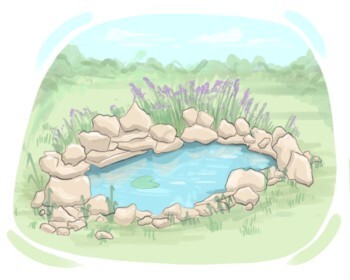
pond
pond
[sostantivo]

a small area of still water, smaller than a lake and often artificially made

stagno
stagno

Ex: Fish live among the plants at the bottom of the pond. 
Chiudi
Accedi
swamp
swamp
[sostantivo]

an area of land that is covered with water or is always very wet

acquitrino

acquitrino

Ex: Local folklore often tells tales of mysterious creatures lurking in the depths of the swamp, adding to its allure and mystery. 

Il folklore locale racconta spesso storie di creature misteriose che si nascondono nelle profondità della palude, aggiungendo al suo fascino e mistero.

Chiudi
Accedi
tundra
tundra
[sostantivo]

the expansive flat Arctic regions, of North America, Asia, and Europe, in which no trees grow and the soil is always frozen

tundra

tundra

Ex: Climate change poses a threat to tundra regions worldwide, affecting wildlife habitats and contributing to permafrost thawing. 

Il cambiamento climatico rappresenta una minaccia per le regioni di tundra in tutto il mondo, influenzando gli habitat della fauna selvatica e contribuendo allo scioglimento del permafrost.
Chiudi
Accedi
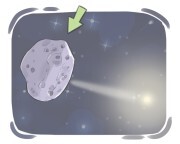
asteroid
asteroid
[sostantivo]

any of the rocky bodies orbiting the sun, ranging greatly in diameter, also found in large numbers between Jupiter and Mars

asteroide

asteroide

Ex: Some asteroids contain valuable minerals and resources that could be mined in the future. 

Alcuni asteroidi contengono minerali e risorse preziose che potrebbero essere estratti in futuro.
Chiudi
Accedi
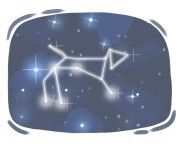
constellation
constellation
[sostantivo]

a specific group of stars that form a pattern and have a name related to their shape

costellazione

costellazione

Ex: The constellation Cassiopeia forms a distinct "W" shape in the northern sky. 

La costellazione Cassiopea forma una distinta forma a "W" nel cielo settentrionale.

Chiudi
Accedi
galaxy
galaxy
[sostantivo]

a large number of star systems bound together by gravitational force

galassia

galassia

Ex: Observations of distant galaxies help astronomers understand the early universe and the processes that led to the formation of galaxies. 

Le osservazioni di galassie lontane aiutano gli astronomi a comprendere l'universo primordiale e i processi che hanno portato alla formazione delle galassie.

Chiudi
Accedi
meteorite
meteorite
[sostantivo]

a piece of rock or metal from space that has hit the surface of the earth

meteorite

meteorite

Ex: The study of meteorites helps researchers understand the potential hazards of asteroids and comets. 

Lo studio delle meteoriti aiuta i ricercatori a comprendere i potenziali pericoli degli asteroidi e delle comete.
Chiudi
Accedi
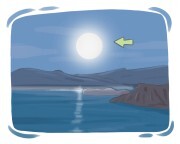
moon
moon
[sostantivo]

the circular object going around the earth, visible mostly at night

luna
luna

Ex: The moon looked so close, as if we could reach out and touch it. 
Chiudi
Accedi
planet
planet
[sostantivo]

a large, nearly round object in space that moves in an orbit around a star

pianeta
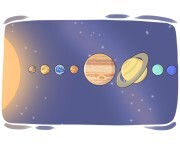
pianeta

Ex: The telescope detected a planet about the size of Earth. 
Chiudi
Accedi
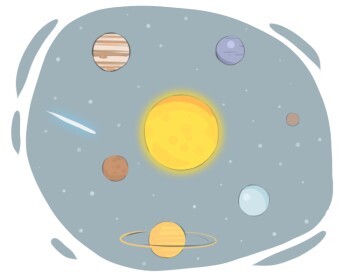
solar system
solar system
[sostantivo]

the sun and the group of planets orbiting around it, including the earth

sistema solare

sistema solare

Ex: Scientists believe the solar system formed over 4.5 billion years ago. 

Gli scienziati credono che il sistema solare si sia formato oltre 4,5 miliardi di anni fa.

Chiudi
Accedi
star
star
[sostantivo]

(astronomy) a shining point found in large numbers in the night sky

stella
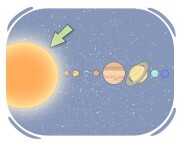
stella

Ex: We used a telescope to observe distant stars and galaxies. 
Chiudi
Accedi
sun
sun
[sostantivo]

the large, bright star in the sky that shines during the day and gives us light and heat

sole

sole

Ex: The sunflower turned its face towards the sun. 
Chiudi
Accedi
universe
universe
[sostantivo]

all existing matter, energy, space, stars, planets, galaxies, and everything else that physically exists

universo

universo

Ex: The universe has been expanding for billions of years. 
Chiudi
Accedi
LanGeek
Scarica l'app LanGeek